Italy is one of Europe's safest countries for tourists, but petty crime around major tourist sites is common. This guide covers every safety consideration from pickpockets to transport scams, emergency numbers, and how to stay safe after dark.

Italy is, by any objective measure, one of the safest countries in Europe for international tourists. Violent crime against visitors is extremely rare. However, petty theft — particularly pickpocketing in crowded tourist areas — is a genuine concern in Rome, Florence, Milan, and Naples. This guide covers all aspects of travel safety in Italy: where the risks are, how to protect yourself, and what to do if something goes wrong.
Overall Safety in Italy
Italy consistently ranks in the top tier of European countries for tourist safety. The Italian police (Carabinieri and Polizia di Stato) maintain a visible presence in tourist areas, and the country has one of the lowest rates of violent crime against tourists in the EU. Your main concerns as a visitor will be:
- Pickpocketing in crowded tourist areas and on public transport
- Transport scams (unlicensed taxis, overcharging)
- Restaurant tourist traps (surprise charges, poor-quality food at inflated prices near landmarks)
- Distraction-based theft near ATMs
Pickpocket Hotspots — Where to Be Vigilant
Rome
The most pickpocket-heavy location in Italy is the area around Rome's Termini railway station — particularly inside the station, on the escalators, and on the trams and metro lines leaving Termini (especially lines 40 and 64 to Vatican). Other high-risk areas: the Colosseum queue, Trevi Fountain, Piazza Navona, Campo de' Fiori, and the Spanish Steps. Keep bags in front of your body and use inner pockets for phone and wallet.
Florence
Florence is generally safer than Rome for petty crime but pickpockets operate near the Ponte Vecchio, the Uffizi Gallery queue, Piazza del Duomo, and on overcrowded ATAF buses. The historic centre is small and walkable — the safest way to travel between sites is on foot or by pre-booked private taxi.
Milan
Main risk areas: around Milan Central Station (Centrale), on the Metro Line M2 (green line), and near the Duomo cathedral. Stazione Centrale has one of the highest pickpocket rates in Italy — particularly around the Eurostar departures platforms.
Transport Safety
Use Only Licensed Transport
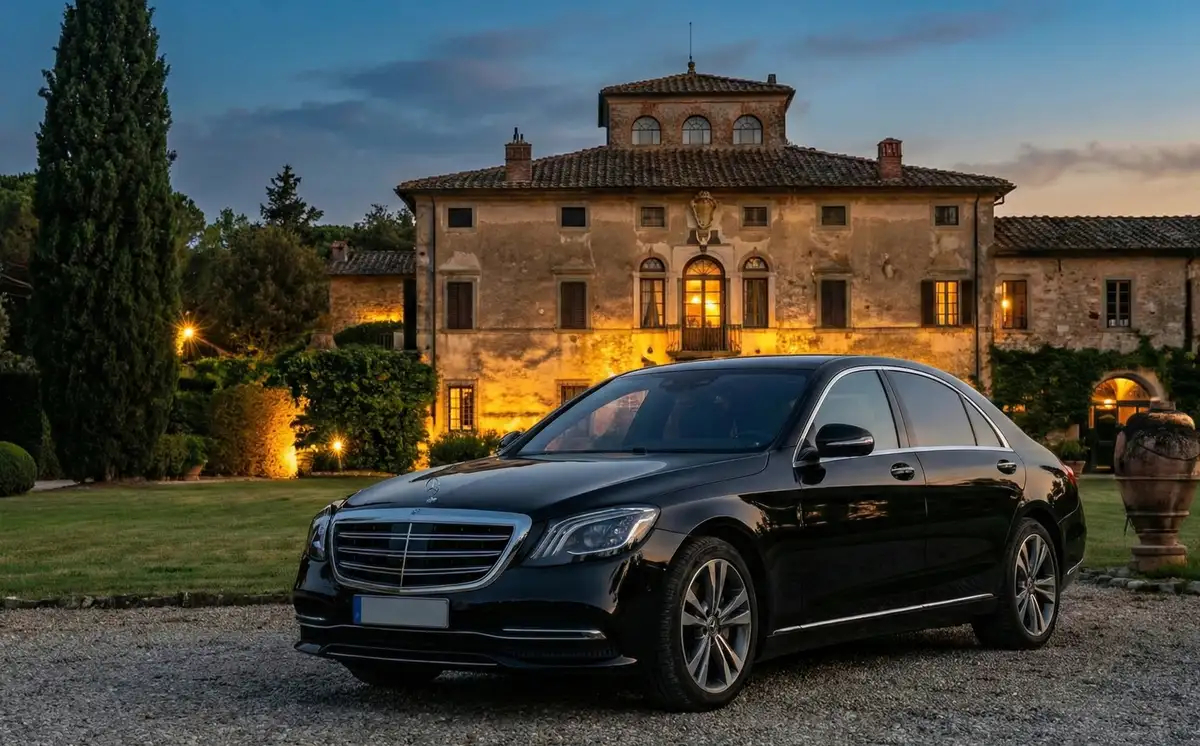
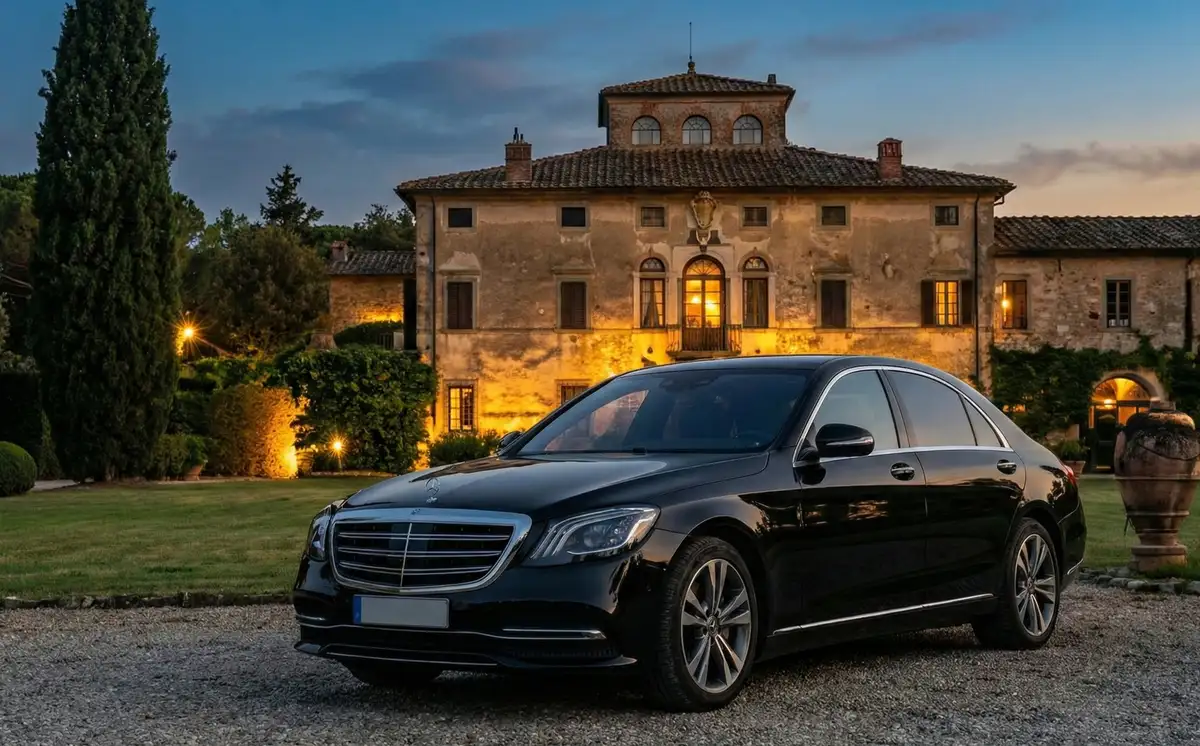
One of the most important safety steps in Italy is avoiding unlicensed taxi touts. In airports, train stations, and outside tourist sites, you may be approached by men offering rides at "fixed prices." These are unlicensed operators who overcharge, take longer routes, and are not insured for passenger transport. Only use official white taxis from ranks, the itTaxi app, or pre-booked private transfers from reputable providers like Italy Taxi Service. Our NCC-licensed drivers are fully insured, professionally trained, and operate on fixed, transparent pricing.
Night Trains & Overnight Buses
Overnight sleeper trains in Italy are generally safe. Lock your compartment from the inside when sleeping. Keep your passport, phone, and wallet in an inside pocket or under your pillow — do not leave them in coat pockets hanging from the door.
Solo Travel Safety
Italy is excellent for solo travel — including for women travelling alone. The main precautions apply universally: stay in well-lit, populated areas after dark; avoid poorly lit streets in less touristy neighbourhoods; and trust your instincts. Italian cities are lively until late at night, with restaurants and bars buzzing until midnight, so you will rarely find yourself alone in a public area.
Harassment from strangers is relatively uncommon compared to some other Mediterranean countries, but it does occur. Confidence and purposeful walking are the best deterrents. If approached aggressively, walk into the nearest open café or shop.
Emergency Numbers in Italy
| Service | Number |
|---|---|
| All Emergencies (EU standard) | 112 |
| Police (Carabinieri) | 112 |
| Ambulance | 118 |
| Fire Brigade | 115 |
| Coast Guard | 1530 |
| Road Assistance (ACI) | 803 116 |
If Something Goes Wrong
- Theft: Report to the nearest Carabinieri or Polizia di Stato station within 24 hours and obtain a written report (denuncia). This is required for insurance claims.
- Lost passport: Go to your country's embassy or consulate after filing a police report. Carry photocopies of your passport at all times.
- Medical emergency: Call 118 for an ambulance. State hospitals (ospedali) accept emergency patients regardless of insurance status. Present your EHIC/GHIC if EU/UK, or travel insurance details if from outside Europe.
Frequently Asked Questions
Is Italy safe for solo female travellers?
Yes, Italy is considered safe for solo female travellers and is a very popular destination. Standard precautions apply: stay in busy, well-lit areas after dark, trust your instincts, and avoid displaying expensive jewellery or electronics prominently in high-theft areas.
What is the safest way to travel at night in Italian cities?
The safest option after dark is a pre-booked private taxi or transfer from a trusted provider. Avoid walking through poorly lit areas with your phone out, and choose a dedicated private transfer over public transport for late-night airport departures or returns. Book your transfer in advance to avoid relying on street-side cabs at night.
Are there areas of Italian cities I should avoid?
Rome's Stazione Termini and surrounding streets (especially after midnight), Naples' Quartieri Spagnoli at night, and Milan's Stazione Centrale environs late at night deserve extra vigilance. However, violent crime in these areas is rare — the concern is petty theft and opportunistic scams.
Frequently Asked Questions
Is Italy safe for solo female travellers?+−
What is the safest way to travel at night in Italian cities?+−
Are there areas of Italian cities I should avoid?+−
Ready to Travel Italy Stress-Free?
Book a professional private taxi or airport transfer anywhere in Italy. Fixed prices, NCC-licensed drivers, meet & greet service — 24/7.
Written by
Italy Taxi Service Team
Expert travel writers sharing firsthand knowledge about transportation, airport transfers, and city navigation across Italy.