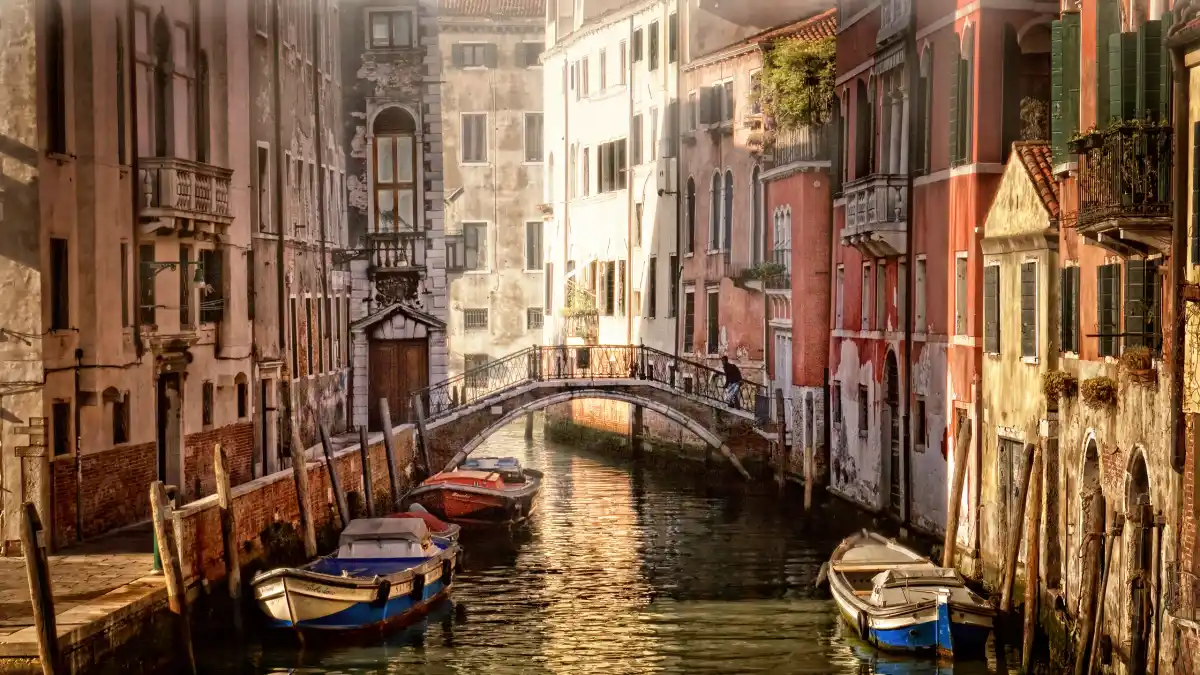
Getting from Venice airport to hotel is unlike any other city because Venice has no roads. Here is how each arrival option really works, and how to reach your door.
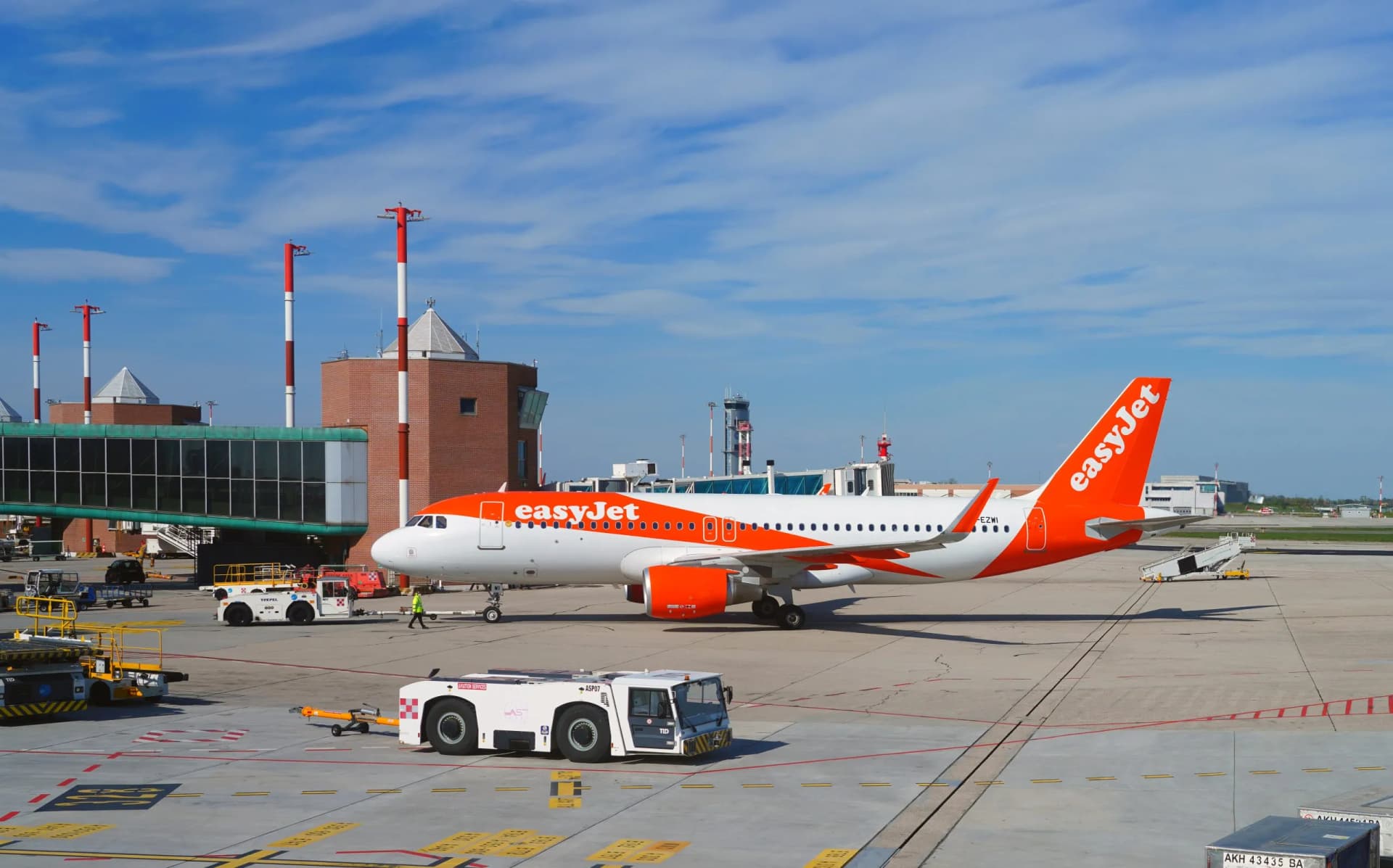
The journey from Venice airport to hotel is the one arrival in Europe that catches almost every first-time visitor off guard. You land, collect your bags, and expect the usual routine: find a taxi rank, give the driver an address, and be dropped at the front door. But Venice does not work like that. The historic islands of the city are entirely car-free, and no wheeled vehicle of any kind can reach a hotel inside Venice. The last stop for anything on wheels is a car park on the western edge, and from there the city belongs to boats and footbridges. Understanding this before you travel is the single most useful thing you can do to make your arrival smooth rather than stressful.
This guide walks through exactly what happens when you arrive, the realistic options for covering the last stretch to your accommodation, and the one factor most people underestimate: luggage. Because in a city built on water and stitched together by stepped bridges, how you move your suitcases matters just as much as how you move yourself.
Skip the guesswork on arrival. We arrange your full airport-to-Venice connection, land transfer plus water link or a direct private water taxi, with an English-speaking meet and greet waiting the moment you land.
Book Your Airport Transfer →Why Venice Is Not Like Any Other Airport Transfer
Most cities let you complete a journey from door to door on wheels. Venice cannot, and the reason is simple: the historic centre has no roads suitable for cars, buses or conventional taxis. The streets are narrow pedestrian lanes and canals, connected by hundreds of arched bridges with steps. Road vehicles physically stop at Piazzale Roma, the bus and car terminus at the northwest corner of the islands, or at the nearby Tronchetto car park. Everything beyond that point moves either by water or on foot.
This means the phrase "take me to my hotel" almost never describes a single vehicle. Instead, your arrival is a relay: you cover the mainland stretch one way, then switch to a water route or walk the final leg. The exception is a private water taxi, which can carry you by boat from the airport all the way to the canal-side entrance nearest your hotel, cutting out the transfer entirely. For a wider picture of how getting around works once you are settled, our transportation guide for visitors in Venice covers vaporetto lines, tickets and etiquette in detail.
Where You Actually Land: Marco Polo and Treviso
Venice is served by two airports, and they change your options completely. Venice Marco Polo (VCE) is the main airport, sitting on the mainland just north of the lagoon. Crucially, it has its own water docks, which means you can begin a boat journey directly from the airport. This is what makes a private water taxi or the shared Alilaguna waterbus possible from VCE.
The second airport, Treviso (TSF), is farther inland and is used mainly by low-cost carriers. Treviso has no water connection at all. From there, every route into Venice is a land journey to Piazzale Roma, after which you still face the same water-or-walk choice as everyone else. If you have a choice of flights, knowing which airport you are using should shape your plans before you book. You can see the full breakdown of connections on our Venice airport transfers page.
The Four Ways to Reach Your Hotel
From Marco Polo, there are effectively four ways to complete the trip, and each trades cost against speed, comfort and how much luggage handling you are willing to do. The table below sets them side by side. Treat the cost column as relative guidance only; always confirm current prices and timetables with the operator before you travel, as they change seasonally.
| Option | Relative Speed | Cost Basis | Luggage Ease | Door-to-Dock? |
|---|---|---|---|---|
| Private water taxi | Fastest | Highest, per boat | Easiest, crew handles bags | Yes, closest canal stop to hotel |
| Alilaguna shared waterbus | Slow, set route with stops | Moderate, per person | Moderate, you carry and load | Partly, to nearest line stop |
| Land transfer or bus to Piazzale Roma, then vaporetto or walk | Variable, two legs | Lower to moderate | Hardest, bridges on foot | No, water or walk from terminus |
| Public ATVO or ACTV bus | Moderate to Piazzale Roma | Lowest, per person | Hardest, crowded plus bridges | No, terminus only |
Private Water Taxi: The Door-to-Dock Choice
A private water taxi is a sleek motorboat that you book for your party alone. It departs from the airport's water docks and takes you directly across the lagoon and into the canal network, dropping you at the water entrance closest to your hotel. For many properties this is the actual front door; for others it is a landing stage a short flat walk away. It is the fastest option, the most comfortable, and by far the easiest for luggage, because the crew loads and unloads your bags and you never haul a suitcase over a bridge.
The trade-off is price. A water taxi is the most expensive way into the city, charged per boat rather than per person, which makes it far more reasonable for a family or small group splitting the cost than for a solo traveller. If arriving relaxed with heavy or multiple bags matters to you, this is the option that removes almost every friction point. It is also the choice we most often arrange for guests who want a genuine door-to-dock experience with no transfers to manage.
Alilaguna: The Shared Waterbus Middle Ground
Alilaguna operates scheduled shared waterbus lines that connect the airport with various stops across the city and islands. Think of it as a public boat service rather than a private hire: you buy a ticket, wait for the next scheduled departure, and share the vessel with other passengers. Different colour-coded lines serve different parts of Venice, so which one you take depends on where your hotel sits.
It is considerably cheaper than a private taxi and a sensible middle ground for travellers watching their budget who still want a water arrival rather than a bus-and-bridge relay. The downsides are real, though: it follows a fixed route with multiple stops, so it is slow; departures run to a timetable, so you may wait; and you handle your own luggage on and off the boat. From the stop where you disembark, you may still have a walk with bags, potentially over bridges, to reach the hotel itself. Confirm the current lines, stops and timetable before you rely on it.
The Land Route and Public Buses
The land route covers the mainland stretch by road, whether that is a private car, a land taxi, or a public bus, and ends at Piazzale Roma. The public options are the ATVO coach and the ACTV city bus, both of which run between Marco Polo and Piazzale Roma at the lowest cost of any option. From Treviso airport, a coach transfer to Piazzale Roma is essentially the only route in.
Here is the catch that surprises people: arriving at Piazzale Roma is not arriving at your hotel. You have reached the edge of the car-free zone, and from there you must continue by vaporetto (the public water bus) along the Grand Canal, or set off on foot. Walking with luggage is where the romance of Venice meets reality, because the route to your hotel will almost certainly cross stepped bridges that have no ramps. Dragging two suitcases up and down bridge steps in summer heat, or after a long flight, is nobody's idea of a good start. This route is cheapest and perfectly workable for light travellers, but weigh it honestly against how much you are carrying.
The Luggage-and-Bridges Reality Nobody Warns You About
If you take one thing from this guide, make it this. In Venice, the final few hundred metres are the hardest part of the whole journey, and they are entirely on foot unless you arrive by boat close to your hotel. Every land arrival ends with you carrying your own bags across a pedestrian city laced with bridges, and those bridges have steps, not slopes. The heavier and more numerous your bags, the more this matters.
A private water taxi is the only option that gets you genuinely close to the hotel with the least luggage carrying, because it delivers you to the nearest canal-side landing rather than the edge of the islands. Alilaguna reduces the walk compared to the bus but rarely eliminates it. The bus-and-vaporetto route leaves the most walking of all. When you plan, picture yourself with your actual suitcases at the end of the trip, not just at the start. That single mental exercise tends to settle the decision quickly.
Ready to arrive the easy way? Let us handle the lagoon crossing and the final water link so you step off the plane and straight toward your hotel, bags carried, no bridges to wrestle.
Book Now →Frequently Asked Questions
Can a taxi or car take me directly to my hotel in Venice?
No. The historic islands of Venice are entirely car-free, so no road vehicle can reach a hotel inside the city. Cars, buses and land taxis stop at Piazzale Roma or the Tronchetto car park, and from there you continue by water or on foot.
What is the fastest way from Venice airport to my hotel?
A private water taxi from Marco Polo's water docks is the fastest and most comfortable option, taking you by boat directly to the canal landing nearest your hotel with no transfers in between. It is also the most expensive, charged per boat rather than per person.
What is the cheapest way into Venice from the airport?
The public ATVO or ACTV bus to Piazzale Roma is the lowest-cost option, followed by continuing on the vaporetto or walking. It saves money but leaves you the most luggage handling, including carrying bags over stepped bridges to reach your hotel.
What is the difference between Alilaguna and a private water taxi?
Alilaguna is a shared, scheduled waterbus that runs set routes with multiple stops at a moderate per-person price. A private water taxi is a boat hired for your party alone, going directly to the stop closest to your hotel, faster and more comfortable but more expensive.
Which airport should I fly into, Marco Polo or Treviso?
Marco Polo (VCE) is the main airport and has water docks, so you can start a boat journey directly from it. Treviso (TSF) is farther inland with no water connection, meaning every route from it is a land transfer to Piazzale Roma first.
How much luggage handling should I expect?
It depends entirely on your option. A private water taxi involves almost none, as the crew loads and unloads your bags. Any land arrival ends with you carrying your own luggage across pedestrian lanes and stepped bridges, which can be demanding with heavy or multiple suitcases.
Will I still have to cross bridges with my luggage?
Usually yes, unless you take a private water taxi that lands you at or very near your hotel. From bus and vaporetto stops, and often from Alilaguna stops, the final stretch to the hotel is on foot and typically crosses one or more bridges with steps rather than ramps.
Can you meet me at the airport when I arrive?
Yes. We arrange the full airport-to-Venice connection with an English-speaking meet and greet, so someone is waiting for you when you land and guides you through the land transfer plus water link, or straight to your private water taxi.
Should I book my transfer before I travel or arrange it on arrival?
Booking ahead is strongly recommended, especially with luggage or during busy periods. It removes the stress of finding the right dock or ticket after a long flight and guarantees your onward connection is ready. You can arrange everything through our booking page in advance.
Do fares and timetables change, and where should I confirm them?
Yes, prices and schedules for water taxis, Alilaguna and public buses vary seasonally and are subject to change. Always confirm current fares, lines and departure times directly with the operator or with us when booking, rather than relying on figures you saw months earlier.
Frequently Asked Questions
Can a taxi or car take me directly to my hotel in Venice?+−
What is the fastest way from Venice airport to my hotel?+−
What is the cheapest way into Venice from the airport?+−
What is the difference between Alilaguna and a private water taxi?+−
Which airport should I fly into, Marco Polo or Treviso?+−
How much luggage handling should I expect?+−
Will I still have to cross bridges with my luggage?+−
Can you meet me at the airport when I arrive?+−
Should I book my transfer before I travel or arrange it on arrival?+−
Do fares and timetables change, and where should I confirm them?+−
Ready to Travel Italy Stress-Free?
Book a professional private taxi or airport transfer anywhere in Italy. Fixed prices, NCC-licensed drivers, meet & greet service — 24/7.
Written by
Italy Taxi Service Team
Expert travel writers sharing firsthand knowledge about transportation, airport transfers, and city navigation across Italy.