A complete 3 days in Venice itinerary covering San Marco, the lagoon islands, Dorsoduro, getting around by vaporetto, where to stay, and airport arrival tips.
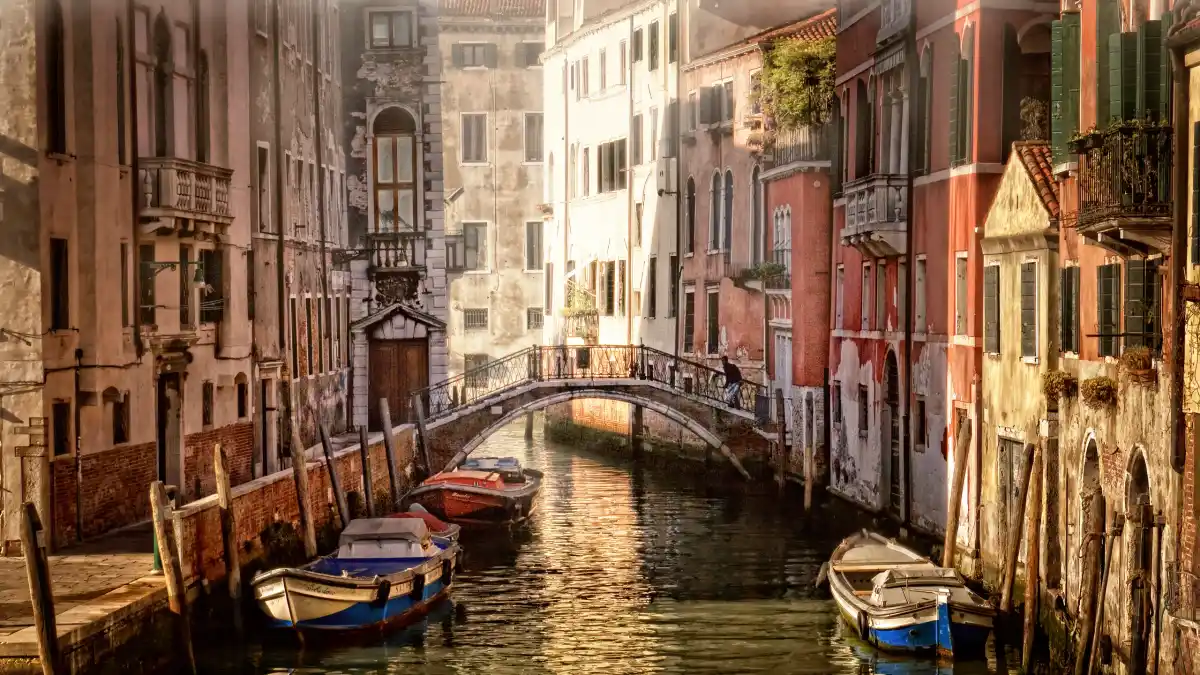
Venice rewards travellers who slow down, and three days is the sweet spot: long enough to see the icons of San Marco, sail out to the coloured islands of the lagoon, and still wander the quiet canals where locals actually live. This 3 days in Venice itinerary is built to keep you moving logically through the city without doubling back, so you spend more time looking up at frescoes and less time staring at a map. Remember one golden rule before you start: Venice is entirely car-free. There are no taxis with wheels, no buses on the streets, and no ride-hailing cars. You move on foot or on the water, and once you accept that rhythm, the city opens up.
Arriving at Venice Marco Polo Airport?
Skip the queues and start your trip smoothly with a private transfer or water arrival into the city.
Book Your Venice Airport TransferYour 3 Days in Venice at a Glance
Here is the shape of the trip before we dive into the detail. Each day is themed around a distinct part of the lagoon so you never criss-cross the city unnecessarily.
| Day | Focus | Highlights |
|---|---|---|
| Day 1 | San Marco & the Grand Canal | St Mark's Basilica, Doge's Palace, Campanile, Rialto Bridge |
| Day 2 | The Lagoon Islands | Murano glass, Burano's painted houses, ancient Torcello |
| Day 3 | Dorsoduro & quiet sestieri | Accademia, Peggy Guggenheim, the Zattere, or a mainland day trip |
Day 1: San Marco and the Heart of Venice
Start where Venice began. The Piazza San Marco is the only true "piazza" in the city, and arriving early, ideally before the day-trip crowds, lets you take in the space while it is still calm. The centrepiece is St Mark's Basilica, a golden-domed marvel of Byzantine architecture whose interior mosaics cover thousands of square metres in shimmering gold tile. Entry is timed and lines build quickly, so this is one attraction where booking a slot in advance genuinely transforms your morning. Dress modestly, as it remains an active church with a covered-shoulders policy.
Next door stands the Doge's Palace (Palazzo Ducale), the seat of Venetian power for centuries. Inside you will find vast council chambers, Tintoretto's enormous canvases, and the famous Bridge of Sighs leading to the old prisons. Like the Basilica, the Doge's Palace can sell out its timed entries in busy months, so reserve your tickets ahead of time to avoid disappointment at the door.
For the best panorama in the city, ride the lift up the Campanile di San Marco, the tall brick bell tower on the square. From the top you get a sweeping view over the terracotta rooftops, the domes of the Basilica, and the shimmer of the lagoon beyond. In the afternoon, walk north toward the Rialto Bridge, following the shopfronts and stopping at the Rialto Market if the produce and fish stalls are still trading. The bridge itself is one of the most photographed spots in Italy; cross it and pause on the arch to watch the gondolas and vaporetti thread the Grand Canal below. End your first evening with an aperitivo of spritz and cicchetti (Venetian bar snacks) in a small bacaro tucked into a side calle.
Day 2: Murano, Burano and Torcello
Dedicate your second day to the lagoon islands, a completely different Venice of open water, fishing boats and artisan workshops. You reach them by vaporetto, the public waterbus, and the ride itself is part of the pleasure. From the Fondamente Nove stop on the northern edge of the city, boats fan out across the lagoon.
First stop is Murano, world-famous for its glassblowing tradition. Watching a master shape molten glass into a horse or a goblet in seconds is genuinely mesmerising, and the island's showrooms range from tiny studios to grand galleries. Take time to check that any glass you buy carries authentic Murano provenance rather than mass-produced imitation.
From Murano, continue to Burano, arguably the most photogenic island in the lagoon. Its fishermen's cottages are painted in vivid blues, pinks, greens and yellows, reflected in the narrow canals like a spilled paintbox. Burano is also known for handmade lace, and it makes a lovely spot for a seafood lunch. Finally, if you have time and energy, hop to sleepy Torcello, the oldest continuously inhabited part of the lagoon and once a thriving settlement. Today it is quiet and green, home to the ancient Cathedral of Santa Maria Assunta with its haunting golden mosaics. Because the islands are strung out across the water, plan your vaporetto connections in advance so you are not left waiting for a boat as the afternoon fades.
Day 3: Dorsoduro, Quiet Canals, or a Day Trip
By day three you know how to read the city, so slow down and explore Dorsoduro, the arty, student-friendly sestiere south of the Grand Canal. Begin at the Gallerie dell'Accademia, home to the finest collection of Venetian painting anywhere, with masterpieces by Bellini, Titian, Veronese and Tintoretto. A short walk away is the Peggy Guggenheim Collection, housed in the unfinished palazzo where the American heiress lived; it is a compact, brilliant survey of modern art, from Picasso to Pollock, with a sculpture garden overlooking the canal.
Afterwards, stroll the Zattere, the long sunny promenade along the Giudecca Canal where Venetians walk, jog and eat gelato with the water at their feet. This is where the city breathes. Wander inland through Dorsoduro's quieter calli, pausing at the Campo Santa Margherita, one of the liveliest local squares.
Prefer to see something beyond the lagoon? Day three is also perfect for a mainland excursion. Verona, Padua and the Palladian villas of the Veneto are all within easy reach by train, and there are plenty of options if you want a change of scene. For inspiration on where to go, see our guide to the best day trips from Venice. If you would rather travel in comfort with a driver and guide once you reach the mainland, our private tours can be tailored around your interests.
Getting Around Venice
Since the city has no roads for cars, your options are your own two feet, the public vaporetto, or a private water taxi. The vaporetto is the workhorse: affordable, frequent, and running along the Grand Canal and out to the islands. If you plan to island-hop or use the boats several times a day, a multi-day travel pass usually works out cheaper than single tickets. Simply validate your pass at the machines on the dock before boarding.
A private water taxi is faster, door-to-door, and undeniably glamorous, gliding you to your hotel's own water entrance, but it costs considerably more than the vaporetto. It shines when you have heavy luggage, an early flight, or simply want a memorable arrival. For a full breakdown of the trade-offs, read our comparison of the vaporetto versus water taxi. Whichever you choose, wear comfortable shoes: even with the boats, you will walk a lot, and Venice's bridges have steps.
Where to Stay in Venice
Staying in the historic centre rather than on the mainland at Mestre makes an enormous difference to how much of Venice you actually experience, especially in the early morning and evening after the day crowds leave. San Marco puts you steps from the icons but is the busiest and priciest. Dorsoduro offers a more local, artistic feel with excellent restaurants. Cannaregio is residential and atmospheric, home to the historic Jewish Ghetto, and often better value. Wherever you book, check how you will reach the hotel with your bags, as some are only accessible on foot over bridges or by water taxi. For more on neighbourhoods and logistics, see our Venice city guide.
Make Your Venice Trip Effortless
From airport arrivals to private transfers and tailored tours, let us handle the logistics so you can enjoy the city.
Book Your Venice Service NowFrequently Asked Questions
Is 3 days enough to see Venice?
Yes. Three days lets you cover the essentials of San Marco, sail out to the lagoon islands, and explore a quieter sestiere like Dorsoduro without rushing. It is the ideal length to balance the famous sights with the slow wandering that makes Venice special.
How do I get from Venice airport to the city?
Marco Polo Airport connects to Venice by public waterbus (Alilaguna), land bus to Piazzale Roma, or a private water taxi that takes you directly to your hotel's canal entrance. A pre-booked private transfer is the smoothest option, especially with luggage after a long flight.
Do I need to book St Mark's Basilica and the Doge's Palace in advance?
It is strongly recommended. Both attractions use timed entry and lines can be very long in peak season, with slots sometimes selling out. Reserving your tickets ahead lets you walk in at your chosen time rather than queuing for an hour or more.
How do I visit Murano, Burano and Torcello?
All three lagoon islands are reached by vaporetto, mainly from the Fondamente Nove stop. Murano is closest, followed by Burano, with Torcello a short hop beyond. Plan your boat connections so you can comfortably see all three in one day.
Are cars allowed in Venice?
No. The historic centre of Venice is entirely car-free. There are no roads for vehicles, so you travel on foot or on the water via vaporetto, private water taxi, or gondola. Cars can only reach the edge of the city at Piazzale Roma or the Tronchetto car park.
Is the vaporetto or a water taxi better?
The vaporetto is far cheaper and ideal for sightseeing and island-hopping, while a private water taxi is faster and takes you door-to-door but costs much more. Many visitors use the vaporetto day to day and a water taxi for airport arrivals or heavy luggage.
Where is the best area to stay in Venice?
San Marco is central but busy and pricey; Dorsoduro is artsy with great dining; Cannaregio is local and often better value. Staying in the historic centre rather than mainland Mestre lets you enjoy Venice early and late when the day-trippers have gone.
Can I do a day trip from Venice in three days?
You can, typically on the third day. Cities like Verona and Padua and the Veneto countryside are easily reached by train. If you want to keep all three days in the lagoon, save the mainland for a longer visit instead.
Explore More Venice Guides
Frequently Asked Questions
Is 3 days enough to see Venice?+−
How do I get from Venice airport to the city?+−
Do I need to book St Mark's Basilica and the Doge's Palace in advance?+−
How do I visit Murano, Burano and Torcello?+−
Are cars allowed in Venice?+−
Is the vaporetto or a water taxi better?+−
Where is the best area to stay in Venice?+−
Can I do a day trip from Venice in three days?+−
Ready to Travel Italy Stress-Free?
Book a professional private taxi or airport transfer anywhere in Italy. Fixed prices, NCC-licensed drivers, meet & greet service — 24/7.

Written by
Italy Taxi Service Team
Expert travel writers sharing firsthand knowledge about transportation, airport transfers, and city navigation across Italy.