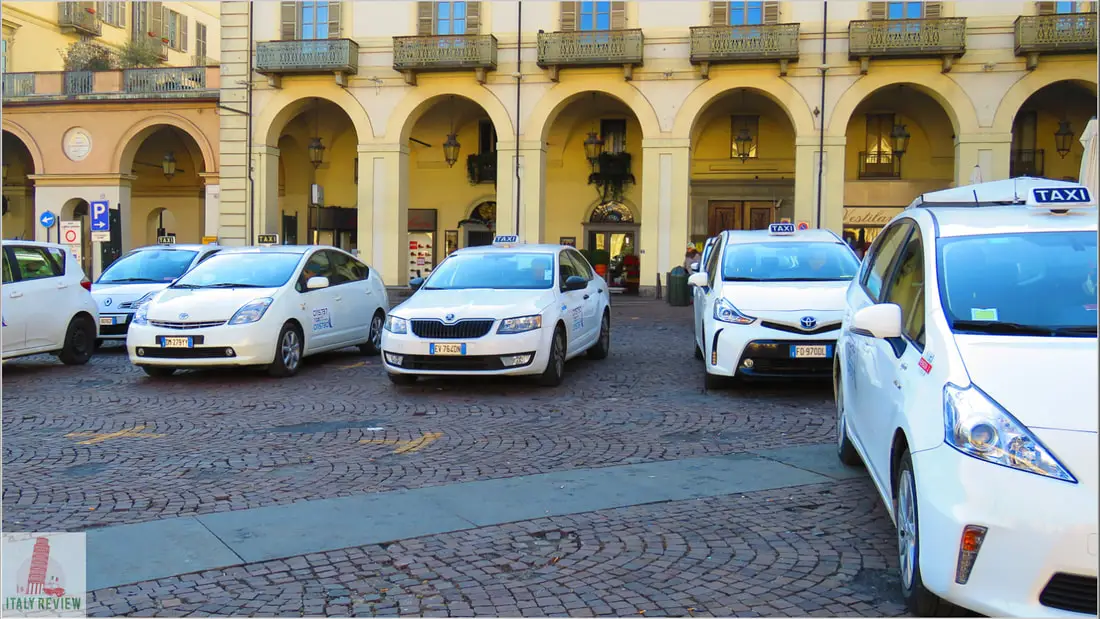
From Brunelleschi's dome to the David and the Oltrarno's artisan workshops, here are the best things to do in Florence, with practical booking and transfer tips.
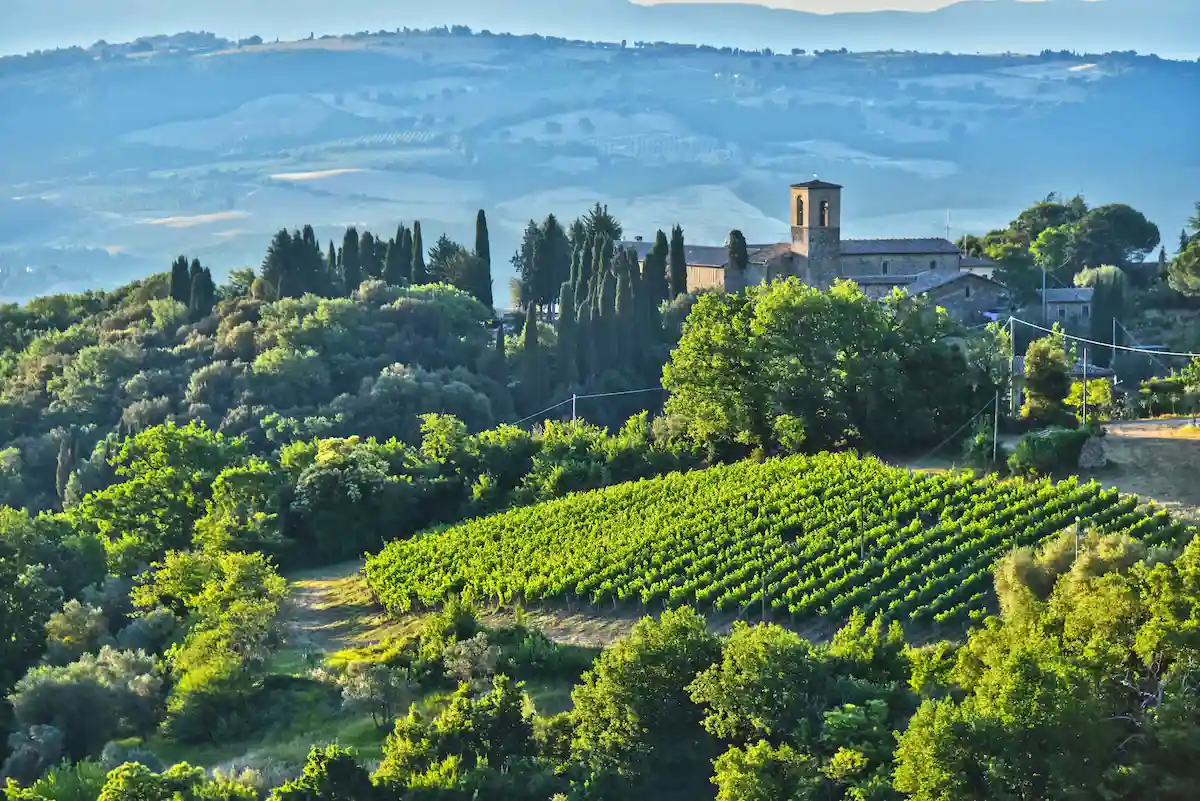
Cradle of the Renaissance and one of the most walkable art cities on earth, Florence rewards travelers who plan a little and wander a lot. If you are weighing up the best things to do in Florence, the good news is that the historic centre is compact enough to cross on foot in about twenty minutes, yet dense enough to fill several days with masterpieces, palaces, gardens and hidden workshops. This guide walks you through the landmark sights, the quieter corners locals love, a few day-trip ideas, and the practical details that matter most, including why booking the big museums ahead is essential and how the city's restricted traffic zone shapes the way you arrive and get around.
Skip the airport queues and arrive in the city centre stress-free. Our drivers know the ZTL boundaries and the closest legal drop-off points to your hotel.
Book a Florence TransferThe Duomo and Brunelleschi's Dome
The cathedral of Santa Maria del Fiore dominates the skyline with its red-tiled dome, an engineering marvel that Filippo Brunelleschi raised without a supporting wooden framework in the fifteenth century. Standing in Piazza del Duomo, you are looking at the largest masonry dome ever built. The complex includes the cathedral itself, Giotto's soaring bell tower, the octagonal Baptistery with its gilded doors, and the Opera del Duomo Museum, which houses many of the original sculptures. Climbing the dome is one of the most memorable things to do in Florence, but the narrow spiral staircase has a strict timed-entry system and no lift, so a reserved slot is not optional, it is required. Reserve your dome climb well before you travel, because tickets for the ascent frequently sell out days in advance.
The Uffizi Gallery
If you visit only one museum, make it the Uffizi. Built as offices for the Medici administration, the U-shaped palace now holds the world's finest collection of Renaissance painting, from Botticelli's Birth of Venus and Primavera to works by Leonardo, Michelangelo, Raphael, Titian and Caravaggio. The galleries follow a broadly chronological route, so you can watch Western art evolve room by room. The Uffizi is enormous and consistently busy, so buy a timed-entry ticket in advance and aim for the first or last slots of the day to avoid the thickest crowds. Give yourself at least two to three hours inside, and pause at the top-floor windows for a classic view over the Arno toward Ponte Vecchio.
The Accademia and Michelangelo's David
Michelangelo's David needs little introduction, but seeing the seventeen-foot marble figure in person, illuminated beneath the purpose-built tribune of the Galleria dell'Accademia, is genuinely moving. The museum also displays Michelangelo's unfinished Prisoners, whose half-carved bodies seem to strain out of the raw stone, along with a strong collection of Gothic and early Renaissance panels. The Accademia is small relative to the Uffizi, which means the entrance line moves slowly and can stretch around the block. As with the dome, book a timed ticket ahead of time. Many visitors pair the Accademia with the nearby San Marco convent, where Fra Angelico's luminous frescoes decorate the monks' cells.
Ponte Vecchio, Palazzo Vecchio and Piazza della Signoria
The Ponte Vecchio is the oldest bridge in Florence and the only one to survive the Second World War intact. Lined with jewellers' shops that jut out over the river on wooden brackets, it is loveliest early in the morning or at dusk when the day-trippers thin out. Above the shops runs the Vasari Corridor, the private elevated passage the Medici used to move between the Uffizi and the Pitti Palace without touching the street. A short walk north brings you to Piazza della Signoria, an open-air sculpture gallery anchored by the fortress-like Palazzo Vecchio, still the seat of the city government. Step into the Loggia dei Lanzi to see Cellini's bronze Perseus, and consider climbing the palace's Arnolfo Tower for a rampart-level view of the rooftops.
The Pitti Palace and Boboli Gardens
Cross to the south bank and you reach the vast Pitti Palace, once the grand-ducal residence of the Medici and later the Italian royal family. Today it holds several museums under one roof, including the Palatine Gallery with its densely hung Raphaels and Titians, the Royal Apartments, and collections of costume and modern art. Behind the palace, the Boboli Gardens climb the hillside in a sweep of terraces, fountains, grottoes and clipped hedges, an outdoor museum of Italian formal landscaping and a welcome green escape on a hot afternoon. The upper reaches offer lovely views back over the city and are far quieter than the streets below.
Piazzale Michelangelo and the Best Views
For the postcard panorama of Florence, head to Piazzale Michelangelo, a broad terrace set on a hill south of the river. From here the whole city unfolds beneath you, the dome, the tower of Palazzo Vecchio, the bridges strung across the Arno, and the Tuscan hills beyond. It is a rightly popular spot at sunset, when the stone glows amber. Climb a little higher to the Romanesque church of San Miniato al Monte, one of the most beautiful and least hurried places in Florence, where the monks still sing Gregorian chant. You can walk up through the rose garden in about twenty to thirty minutes, or arrange a transfer if you would rather save your legs for the sights.
The Oltrarno and Its Artisan Workshops
The Oltrarno, literally the far side of the Arno, is where Florence feels most like a living city rather than an open-air museum. The neighbourhoods of Santo Spirito and San Frediano are still home to the leather-workers, gilders, bookbinders, goldsmiths and furniture restorers who have practised their crafts here for centuries. Wander the side streets and you can watch artisans at work through open doorways, browse independent boutiques, and settle into a wine bar on Piazza Santo Spirito, presided over by Brunelleschi's austere final church. This is also the district for some of the city's most authentic trattorias. Exploring the Oltrarno on foot, ideally with time to pause and chat, is one of the most rewarding things to do in Florence and a fine antidote to museum fatigue.
San Lorenzo, Mercato Centrale and Day-Trip Ideas
Around the Basilica di San Lorenzo, the Medici family's parish church, you will find the sprawling leather market and the two-storey Mercato Centrale. The ground floor is a working food hall of butchers, cheesemongers and greengrocers, while the upper level is a bustling gathering of food stalls, a great place to graze on Tuscan specialities. Do not miss the Medici Chapels behind the basilica, where Michelangelo carved the sculptural tombs of the New Sacristy.
When you are ready to venture out, Florence is an ideal base for Tuscany. Siena, San Gimignano and the vineyards of Chianti make classic day trips, as do Pisa and Lucca to the west. Booking a driver or a small-group tour takes the stress out of the winding country roads and lets you focus on the scenery. If you would prefer a tailored itinerary with a knowledgeable local at the wheel, our private tours can string several hilltowns together in a single day. For more on navigating the city itself, see our guide to getting around Florence.
| Attraction | What to know |
|---|---|
| Duomo & Brunelleschi's Dome | Timed-entry ticket required for the dome climb; no lift and a narrow staircase. Reserve well ahead. |
| Uffizi Gallery | Book a timed slot in advance; allow two to three hours. First and last entries are quietest. |
| Accademia (David) | Small museum with long walk-up queues; advance booking strongly advised. |
| Ponte Vecchio | Free to cross; best at dawn or dusk. Jewellers' shops and the Vasari Corridor overhead. |
| Palazzo Vecchio & Piazza della Signoria | Open-air sculptures are free; interior and tower climb are ticketed. |
| Pitti Palace & Boboli Gardens | Multiple museums plus terraced gardens; combined tickets available. Gardens are a shady escape. |
| Piazzale Michelangelo | Free hilltop viewpoint; best at sunset. Pair with San Miniato al Monte above. |
| Oltrarno workshops | Free to explore; artisan studios keep their own hours. Best experienced slowly on foot. |
Planning Your Visit and the ZTL
Two practical points will save you a great deal of hassle. First, book the headline sights, the Uffizi, the Accademia and especially the dome climb, before you arrive, because same-day tickets are often unavailable and the walk-up lines can eat hours of your day. Second, understand the ZTL, or Zona a Traffico Limitato. The entire historic centre is a restricted-traffic zone monitored by cameras, and unauthorised vehicles that cross the boundary are automatically fined, often without the driver ever realising until the penalty arrives months later. This is why arriving by rental car is more trouble than it is worth. A professional driver who knows exactly where the ZTL begins will drop you at the nearest permitted point, and many hotels inside the zone can register an authorised transfer on your behalf. If you are building a two-day plan, our two-day Florence itinerary shows how to sequence these sights efficiently.
Ready to explore Florence without worrying about parking, fines or ZTL cameras? Let us handle the driving so you can focus on the art.
Book NowFrequently Asked Questions
How many days do you need to see Florence?
Two full days let you cover the essential sights, the Duomo complex, the Uffizi, the Accademia, Ponte Vecchio and a viewpoint at Piazzale Michelangelo, without rushing. A third day gives you time for the Pitti Palace, the Oltrarno workshops, or a day trip into the Tuscan countryside.
Do I need to book the Uffizi and Accademia in advance?
Yes. Both museums are extremely popular and the walk-up queues can be very long, particularly for the Accademia. Reserving a timed-entry ticket before you travel is the single best way to avoid wasting time in line.
Is climbing Brunelleschi's dome worth it?
For most visitors, yes. The climb rewards you with a close-up look at Vasari's Last Judgement frescoes inside the cupola and a spectacular rooftop panorama. Note that the dome climb requires a separately reserved timed ticket, there is no lift, and the staircase is narrow, so it is not suitable for anyone with serious mobility or claustrophobia concerns.
What is the ZTL and why does it matter?
The ZTL is the limited-traffic zone covering central Florence, enforced by automatic cameras. Vehicles without a permit that enter the zone are fined. It is the main reason we recommend arriving with a driver who understands the boundaries rather than attempting to drive a rental car into the centre.
Can you visit the main sights on foot?
Absolutely. The historic centre is compact and highly walkable, with most major attractions within a fifteen- to twenty-minute stroll of one another. A car is only really useful for reaching hilltop viewpoints, the airport, or day trips outside the city.
When is the best time to see the David?
Aim for the earliest entry slot of the day or the last hour before closing, when the Accademia is calmest. Booking a timed ticket in advance means you bypass the long ticket-office line regardless of when you go.
What are the best free things to do in Florence?
Plenty of the city's highlights cost nothing: crossing Ponte Vecchio, admiring the sculptures in Piazza della Signoria and the Loggia dei Lanzi, climbing to Piazzale Michelangelo for the view, visiting San Miniato al Monte, and wandering the artisan streets of the Oltrarno.
Is Florence a good base for day trips?
Yes. Florence sits at the heart of Tuscany, with easy access to Siena, San Gimignano, the Chianti wine region, Pisa and Lucca. A private driver or small-group tour makes these excursions comfortable and lets you see more than public transport allows.
Frequently Asked Questions
How many days do you need to see Florence?+−
Do I need to book the Uffizi and Accademia in advance?+−
Is climbing Brunelleschi's dome worth it?+−
What is the ZTL and why does it matter?+−
Can you visit the main sights on foot?+−
When is the best time to see the David?+−
What are the best free things to do in Florence?+−
Is Florence a good base for day trips?+−
Ready to Travel Italy Stress-Free?
Book a professional private taxi or airport transfer anywhere in Italy. Fixed prices, NCC-licensed drivers, meet & greet service — 24/7.

Written by
Italy Taxi Service Team
Expert travel writers sharing firsthand knowledge about transportation, airport transfers, and city navigation across Italy.