
Wondering how early to reach the airport in Italy? Get sensible arrival windows for Schengen and long-haul flights, plus tips on peak season and transfers.
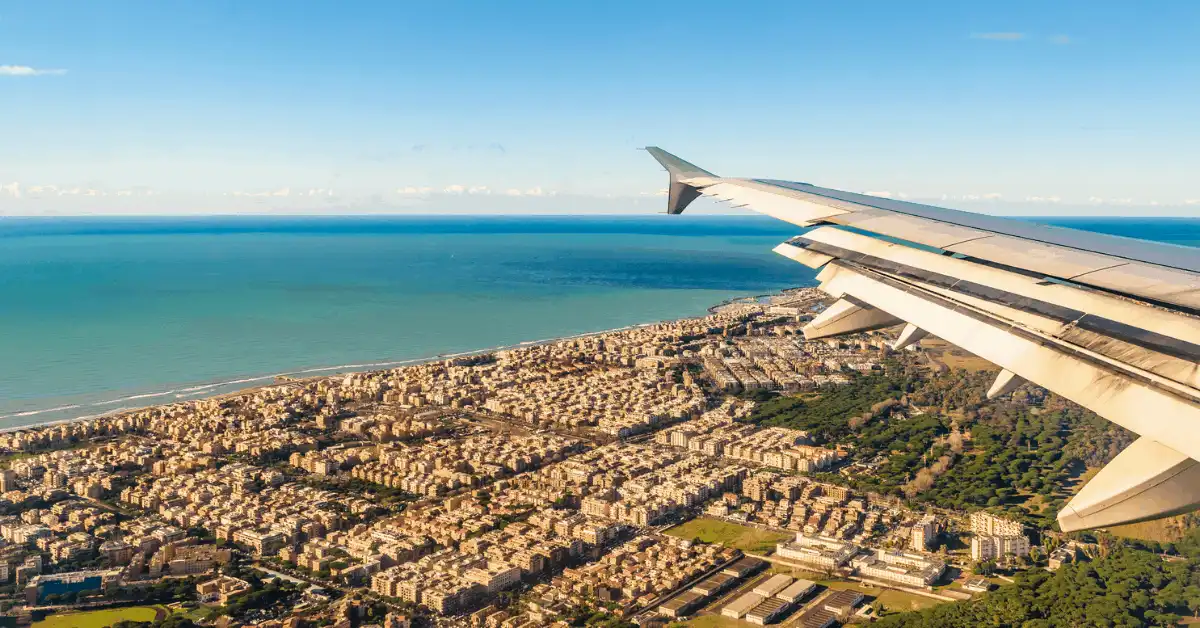
Figuring out how early airport Italy travellers should arrive is one of those questions that feels simple until you are standing in a snaking security line at Rome Fiumicino wondering whether you will make your gate. The honest answer is that it depends on your flight type, the airport, the season and how you plan to get there. As a rule of thumb, you will want roughly two hours for a Schengen or domestic departure and about three hours for a long-haul intercontinental flight, but there are real reasons to give yourself more of a cushion at Italy's busiest hubs. This guide walks through the sensible windows, the factors that stretch them, and how a flight-monitored private transfer takes the guesswork out of timing your pickup.
Skip the stress of guessing your timings.
A pre-booked driver watches your flight, plans the route and gets you to the terminal with time to spare.
Explore Airport TransfersQuick Reference: Suggested Arrival Times
Before we get into the detail, here is a quick table you can use as a starting point. Treat these as general guidance rather than hard rules, and always check your airline's own advice, because carriers set their own check-in and bag-drop deadlines.
| Flight Type | Suggested Arrival Before Departure |
|---|---|
| Domestic (within Italy) | About 1.5 to 2 hours |
| Schengen (within Europe, no passport control) | About 2 hours |
| Non-Schengen Europe (e.g. UK) | About 2 to 2.5 hours |
| Long-haul / intercontinental | About 3 hours |
| Low-cost carrier (any type) | Add 30 minutes to the above |
| Peak season or major hub at busy times | Add another 30 to 60 minutes |
Domestic and Schengen vs Long-Haul
The biggest single factor in your arrival time is whether your flight stays inside the Schengen area. If you are flying from Milan to Naples, or from Rome to Paris, you are travelling within the Schengen zone, which means no passport control on departure. Security and bag drop are usually the only queues you face, so two hours is generally comfortable and around 90 minutes can work for a domestic hop if you are travelling with only cabin baggage.
Long-haul flights are a different story. Intercontinental departures to destinations such as the United States, the Gulf or Asia involve passport control, sometimes additional security screening, and larger aircraft that board earlier. These flights also tend to leave from more distant parts of the terminal. Three hours gives you room to check a bag, clear border formalities and reach a far gate without rushing. If you are checking in for a flight that requires extra document checks, the airline may ask you to arrive even earlier, so it is worth confirming when you book.
The Big Airports: FCO and MXP
Not all Italian airports are created equal. Rome Fiumicino (FCO) and Milan Malpensa (MXP) are the country's two largest international gateways, and their sheer scale changes the calculation. At these hubs, walking distances between check-in, security and the gate can be long, and at peak times the security lines build quickly. If you are departing from either, lean towards the upper end of the windows above.
Terminal layout matters too. Fiumicino spreads flights across multiple terminals, and Malpensa has two terminals served by a shuttle. Arriving at the wrong terminal can cost you 15 to 20 minutes you did not budget for. If you are new to these airports, our guides to navigating Italian airports and specifically how early to arrive at Rome Fiumicino for an international flight go into the terminal-by-terminal detail. For dedicated pickups and drop-offs, our Rome airport transfer service knows exactly which terminal you need.
Low-Cost Carriers and Gate Closures
If you are flying with a low-cost carrier, add a buffer. Budget airlines are strict about their deadlines, and gates often close 30 to 40 minutes before departure rather than the more relaxed windows some full-service carriers allow. Bag-drop desks may also close earlier and can have long queues at peak times because so many passengers are checking bags to avoid cabin-baggage fees. Missing a low-cost bag-drop cutoff by even a few minutes can mean rebooking at full price, so it pays to arrive early and head straight to the desk.
Many budget carriers also operate from secondary airports or the more distant piers of the big hubs. Factor in extra walking time, and do not assume the gate is close to security just because you cleared the queue quickly.
Peak Season and the New EES Biometric Checks
Timing changes with the calendar. During the summer high season, school holidays and major public holidays, Italian airports handle far more passengers, and every queue lengthens. In these periods it is sensible to add 30 to 60 minutes to your baseline arrival time, particularly for early-morning departures when several flights leave in a cluster.
There is a newer factor to keep in mind at the border. The European Union's Entry/Exit System (EES) introduces biometric registration, taking fingerprints and a facial image, for many non-EU travellers crossing external Schengen borders. For passengers arriving in or departing from Italy on non-Schengen routes, this extra step can slow passport control, especially while the system is still bedding in and travellers are registering for the first time. If your journey involves an external border crossing, give yourself additional time and check the latest guidance for your nationality before you travel.
How Long Transfers Take From the City
Getting to the airport is half the equation, and it is the half most people underestimate. Your total plan is your transfer time plus your recommended arrival window, so a realistic estimate of the journey matters. From central Rome to Fiumicino, allow around 45 minutes to an hour by road in normal conditions, and more during rush hour. From central Milan to Malpensa, plan for roughly 50 minutes to an hour, again longer at busy times. Traffic on the ring roads and motorway approaches can be unpredictable, and a delayed train or a queue for a shared shuttle adds uncertainty you cannot control.
When you add it all up, a long-haul departure from a major hub during peak season can mean leaving the city three-and-a-half to four hours before wheels-up once you include the drive. That is why locking down a reliable transfer is the single easiest way to protect your schedule. Our Milan Malpensa transfers and other airport services are built around exactly these timings.
How a Flight-Monitored Private Transfer Times Your Pickup
The advantage of a private transfer is not just comfort, it is precision. A professional service works backwards from your departure time: it factors in your flight type, the airport, the expected traffic and the recommended arrival window, then sets a pickup time that gets you to the terminal with the right cushion, not too early and not too tight. Because the driver is dedicated to you, there is no waiting for other passengers and no detour to another pickup.
Flight monitoring adds another layer of reassurance. If your outbound leg is delayed or your schedule shifts, the operator can see it and adjust. For arrivals, this means your driver tracks the inbound flight and is there when you land rather than when you were originally due. For departures, it means your pickup is planned around the real situation on the day. That combination of local route knowledge and live tracking is what turns a stressful morning into a smooth one.
Ready to lock in your airport timing?
Reserve a flight-monitored private transfer and let a local driver handle the route and the clock.
Book Your Transfer NowFrequently Asked Questions
How early should I arrive for a domestic flight in Italy?
As a rule of thumb, about 1.5 to 2 hours is comfortable for a domestic Italian flight. If you are travelling with only cabin baggage and the airport is not a major hub, 90 minutes is often enough, but always check your airline's own check-in deadline.
How early should I arrive for a long-haul flight from Italy?
Around three hours is the general guidance for intercontinental departures. These flights involve passport control, board earlier and often leave from distant gates, so the extra time helps you avoid rushing. Some airlines request an even earlier arrival, so confirm when you book.
Do I need to arrive earlier at Rome Fiumicino or Milan Malpensa?
Yes, lean towards the upper end of the recommended windows at these large hubs. Long walking distances, multiple terminals and busy security lines mean it is wise to build in extra time, especially during peak periods.
Does the new EES biometric system affect my arrival time?
It can. The Entry/Exit System registers biometrics for many non-EU travellers crossing external Schengen borders, which may slow passport control on non-Schengen routes. If your journey crosses an external border, allow additional time and check the latest guidance for your nationality.
How much extra time should I allow for a low-cost carrier?
Add roughly 30 minutes to the standard windows. Budget airlines tend to close gates and bag-drop desks earlier and enforce their deadlines strictly, so arriving early and going straight to the desk is the safe approach.
How long does a transfer from the city to the airport take?
From central Rome to Fiumicino, allow around 45 minutes to an hour in normal traffic; from central Milan to Malpensa, plan for roughly 50 minutes to an hour. Both take longer during rush hour, so add a buffer and combine the drive with your arrival window.
Should I arrive earlier during peak season?
Yes. In summer, school holidays and major public holidays, airports are busier and every queue lengthens. Adding 30 to 60 minutes to your baseline arrival time is a sensible precaution, particularly for early-morning departures.
How does a flight-monitored transfer decide my pickup time?
The operator works backwards from your departure, factoring in your flight type, the airport, expected traffic and the recommended arrival window to set a pickup that gets you there with the right cushion. Flight monitoring lets the driver adjust if your schedule changes on the day.
Related reading and services
Frequently Asked Questions
How early should I arrive for a domestic flight in Italy?+−
How early should I arrive for a long-haul flight from Italy?+−
Do I need to arrive earlier at Rome Fiumicino or Milan Malpensa?+−
Does the new EES biometric system affect my arrival time?+−
How much extra time should I allow for a low-cost carrier?+−
How long does a transfer from the city to the airport take?+−
Should I arrive earlier during peak season?+−
How does a flight-monitored transfer decide my pickup time?+−
Ready to Travel Italy Stress-Free?
Book a professional private taxi or airport transfer anywhere in Italy. Fixed prices, NCC-licensed drivers, meet & greet service — 24/7.

Written by
Italy Taxi Service Team
Expert travel writers sharing firsthand knowledge about transportation, airport transfers, and city navigation across Italy.