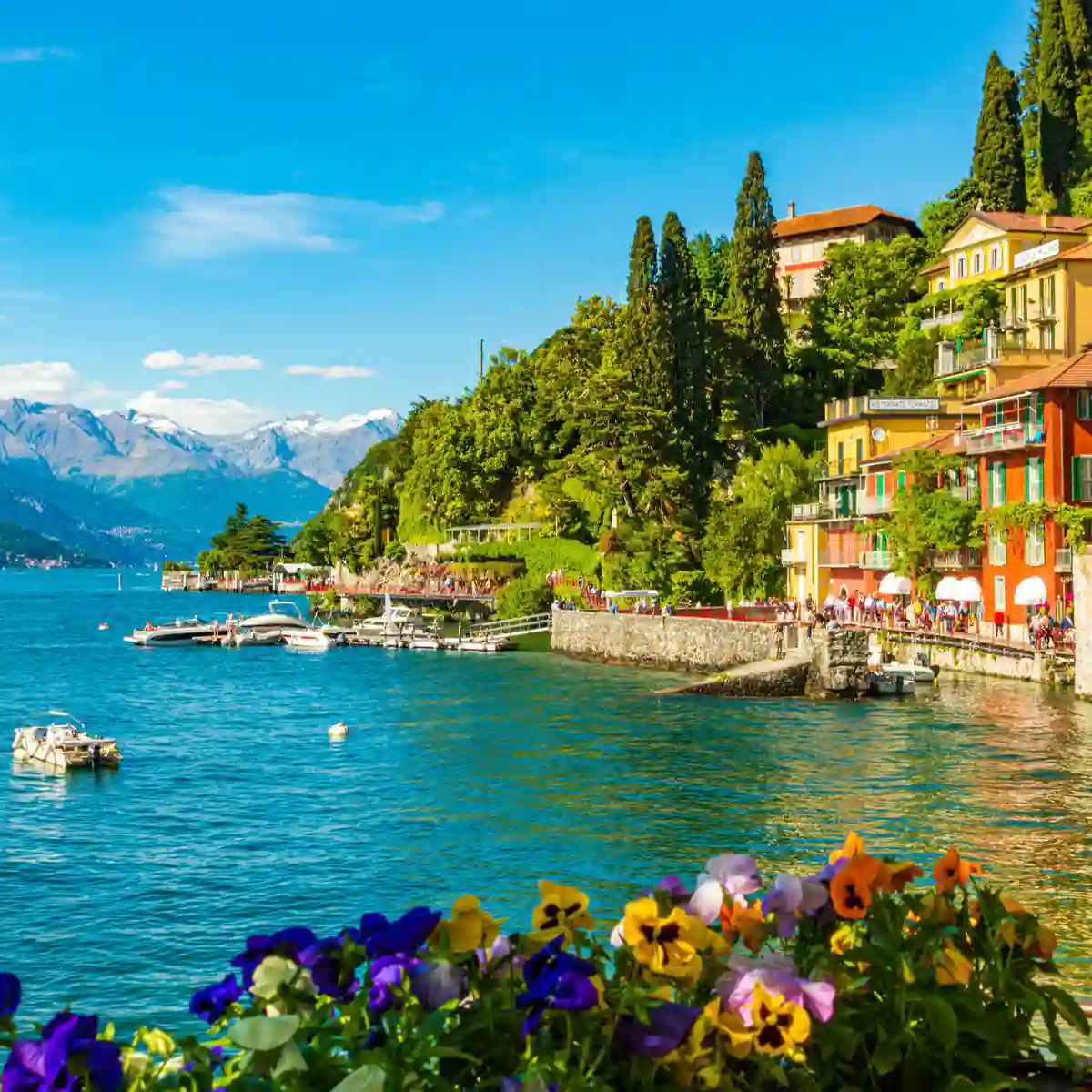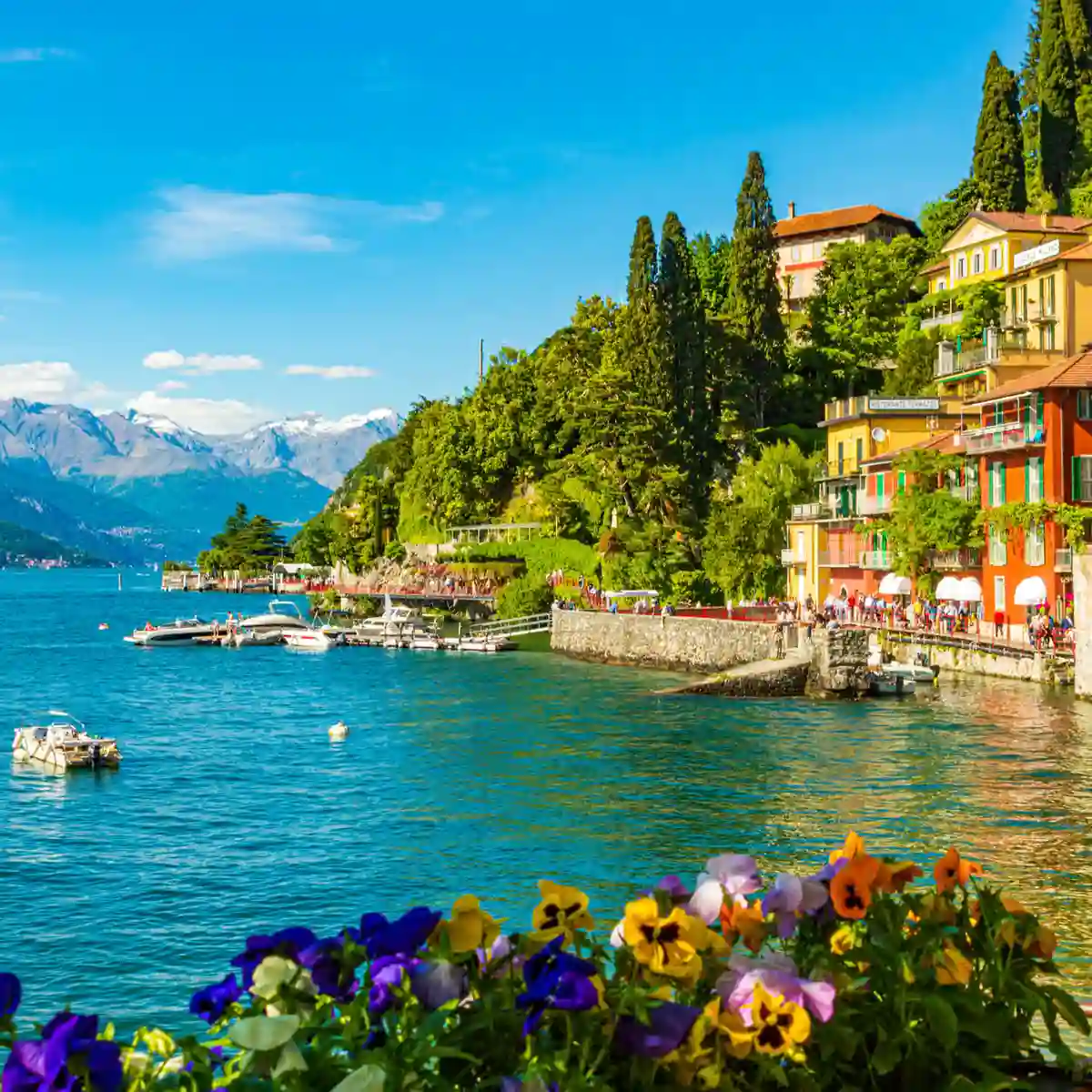
Lake Garda has no single arrival point. Which airport, station and road you want depends entirely on whether you are staying on the southern resort shore, the eastern Verona shore, or the northern fjord end at Riva del Garda.
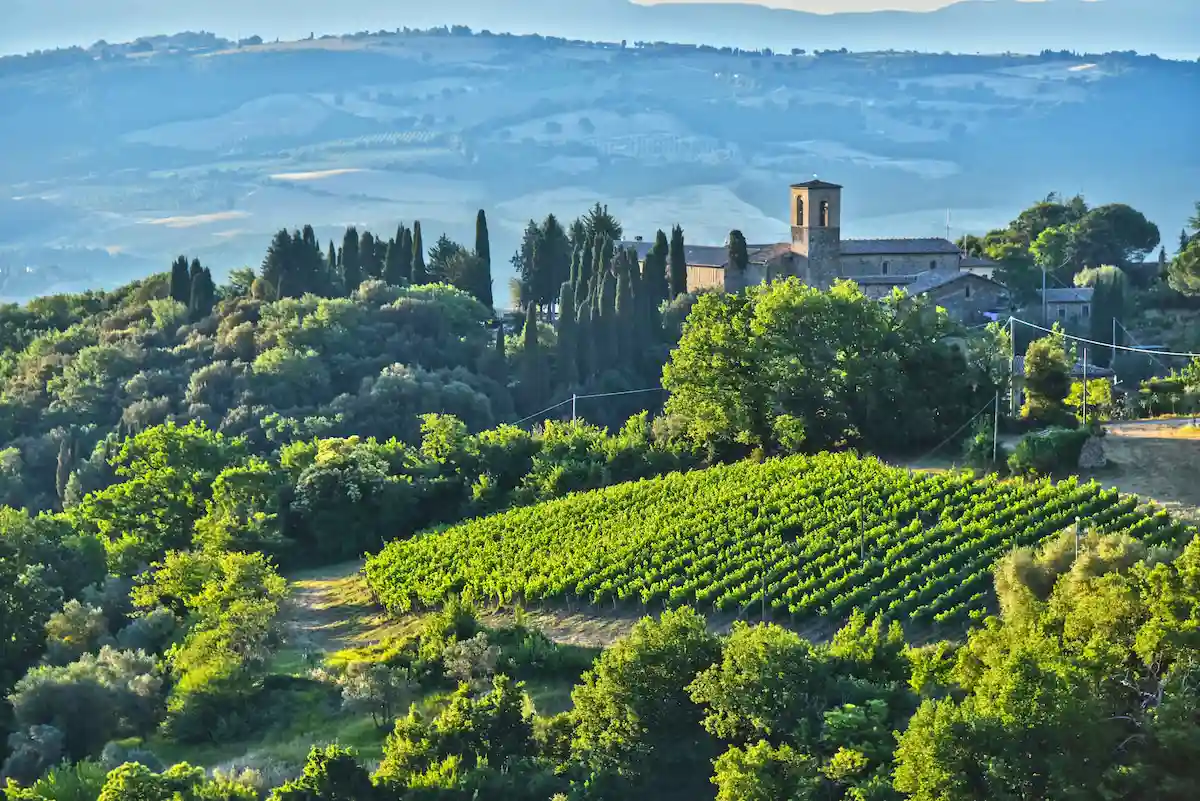
Lake Garda has no single front door. The right airport, station and road depend entirely on which shore you are staying on — south, east or north — and those three answers are genuinely different.
As a rule of thumb: Verona Villafranca (VRN) for the southern and eastern shore, Bergamo (BGY) or Milan (MXP/LIN) for the western side and long-haul arrivals, Venice Marco Polo (VCE) if you are coming from the east, and the Brennero corridor from Innsbruck or Munich for the northern end. Peschiera del Garda and Desenzano del Garda are the rail gateways.
The three Gardas: why one answer never fits
Lake Garda is Italy's largest lake, and it spans three regions — Lombardy on the west, Veneto on the east and south-east, and Trentino at the northern tip. That administrative split is a clue to something more useful: Garda is not one destination but three, and they barely resemble each other.
The lake is broad and open in the south, where it spreads into gentle moraine hills and holiday country. It narrows as you go north, and by the top it has become a steep, fjord-like trench with mountain walls dropping straight into the water. A hotel on the southern shore and a hotel at Riva del Garda are not variations on a theme. They are different holidays, reached by different routes.
- The southern resort shore — Sirmione, Peschiera, Desenzano, Lazise, Bardolino. Flat, warm, busy, family-friendly, easy to reach. Gardaland is near Peschiera. This is the Garda most first-timers picture.
- The eastern Verona shore — Garda town, Torri del Benaco, Malcesine. Steeper and prettier, olive groves and promenades, with Monte Baldo behind. Malcesine has the rotating cable car up the mountain.
- The northern fjord end — Riva del Garda, Torbole, the Trentino head of the lake. Cliffs, reliable winds, windsurfing and sailing. More Alpine than Mediterranean.
Choose the zone first. The logistics follow from that, not the other way round.
Which airport for which shore
This is the question that decides most of the trip, and the honest answer is that four or five airports are all plausibly "the Lake Garda airport", depending on where you sleep.
Verona Villafranca (VRN) is the closest airport to the southern and eastern shore — roughly half an hour by road down to the southern towns, and the natural choice for Sirmione, Peschiera, Lazise or Bardolino. It is a modest airport, which is part of its charm: you land, clear it quickly, and reach the lake before you have properly woken up.
Bergamo Orio al Serio (BGY) serves the western side well and is heavily used by low-cost carriers, so it often wins on fares even when it loses on distance. If you are staying around Salò, Gardone Riviera or Limone, Bergamo is competitive with Verona.
Milan Malpensa (MXP) is the long-haul answer: if you are flying intercontinental this is usually where you land, and it connects to the western shore along the A4 corridor. Milan Linate (LIN) is smaller and useful for European connections.
Venice Marco Polo (VCE) and Treviso (TSF) are the eastern options. They make sense if Garda is one half of a trip that also includes Venice — and plenty of itineraries are exactly that.
Innsbruck or Munich deserve a mention for the northern end. Heading for Riva del Garda or Torbole, coming down the Brennero corridor from Austria or southern Germany can be more direct than flying into Italy and driving north up the lake — northern-European visitors have known this for decades.
If you would rather not weigh distances against fares, a fixed-price airport transfer removes the variable: you are met at arrivals and driven to your hotel door, whichever shore it is on.
Matching shore to airport and station
| Zone / shore | Nearest airport | Rail gateway | Best for |
|---|---|---|---|
| Southern shore (Sirmione, Peschiera, Desenzano) | Verona VRN | Peschiera del Garda / Desenzano del Garda | First visits, families, easy arrivals, Gardaland |
| South-eastern shore (Lazise, Bardolino) | Verona VRN | Peschiera del Garda | Wine, lakefront promenades, relaxed bases |
| Eastern shore (Garda, Torri del Benaco, Malcesine) | Verona VRN, then Venice VCE | Peschiera del Garda | Scenery, Monte Baldo, ferry-hopping |
| Western shore (Salò, Gardone, Limone) | Bergamo BGY, Milan MXP/LIN | Desenzano del Garda | Belle-époque towns, gardens, quieter evenings |
| Northern end (Riva del Garda, Torbole) | Verona VRN, Bergamo BGY, or Innsbruck/Munich | Rovereto or Desenzano, then road | Windsurfing, sailing, hiking, climbing |
| Long-haul arrivals (any shore) | Milan MXP | Desenzano or Peschiera | Intercontinental flights, multi-stop trips |
Getting there by train
Garda is unusually well served by rail for a lake, thanks to a happy accident of geography: the Milan–Venice line runs along its southern edge. Two stations on that line are your gateways.
Peschiera del Garda sits at the south-eastern corner, close to the lakefront and within reach of Sirmione, Lazise, Bardolino and the eastern shore. Desenzano del Garda sits at the south-western corner and is the better bet for the western shore.
Both are on the main line: direct services from Milan, Verona, Vicenza, Padua and Venice, with connections onward to Florence, Rome and Bologna. Arriving from elsewhere in Italy without a car, this is comfortably the least stressful route.
The catch is the last stretch. Neither station is at your hotel, and both are a long way from Riva del Garda. Trains get you to the lake; something else gets you around it. A pre-booked private transfer from the station closes that gap, especially with luggage.
Getting around the lake
Once you are here, you have three ways to move, and each has a personality.
- Ferries. The lake boats link the towns and are the most pleasant way to travel — you arrive at the waterfront rather than a car park, and the views are the point. Services are seasonal and vary considerably between high summer and the shoulder months, so check current schedules.
- Buses. Regular services run along both shores and connect the southern rail stations to the lakeside towns. Inexpensive, and slower than you expect on a busy August afternoon.
- Road. Fastest and most flexible, and the only realistic option late at night or with a lot of luggage.
A useful trick: ferries make Garda feel small. A base on the eastern shore plus a few boat days will show you more of the lake than a car will, because you skip the parking problem entirely.
Driving, the Gardesana and the tunnels
Two motorways do the heavy lifting. The A4 (Milan–Venice) runs along the southern end and gives you Desenzano and Peschiera. The A22 (Brennero) runs north–south to the east of the lake, which is what makes the Austrian and German approach to the northern shore so straightforward.
Around the lake, the Gardesana roads form a ring. The eastern Gardesana Orientale is a pleasant lakeside drive. The north-western Gardesana Occidentale is something else: carved into the cliff face, it runs through a long series of tunnels, some narrow, some with windows punched out to the lake. It is spectacular, and not a road to hurry on in a large vehicle or with a caravan.
- Sirmione restricts traffic in its historic centre on the peninsula. Check what your accommodation actually permits before planning to drive to the door.
- Summer traffic on the southern shore is real: July and August weekends turn the approach roads slow.
- Parking in the popular towns is the constraint, not the driving. A car is a liability in Sirmione and an asset around Salò.
When to go, and how it changes arrival
Garda's season shapes the logistics as much as the map does. High summer means full ferries, busy roads and crowded airports — but also everything open and the northern end at its liveliest. Spring and autumn are the sweet spot for most visitors: mild, quieter, and arrival that is simply easier at every stage.
Winter is a different lake. Many lakeside businesses close, ferry services thin out considerably, and the northern end turns Alpine. Check that your chosen town is actually functioning before you commit.
If wind is why you are coming, note that Riva del Garda and Torbole are known for their reliable wind pattern, and the sailing and surfing crowd time their trips around it rather than around the forecast.
Why arrival logistics should decide where you stay
Most people pick a hotel and then work out how to reach it. On Garda, that order causes more ruined first days than anything else. The lake is long, the road around it is slow, and a booking that looked charming online can sit hours from the airport you have already bought flights into. Invert it: start with your flight, then pick your shore, then pick your town.
- Verona for a short break? Stay south or east — you will be swimming by lunchtime.
- Coming for the wind? Verona, Bergamo or Innsbruck, then straight to Riva or Torbole. Do not base yourself in Sirmione and commute.
- Long-haul into Milan with a week? The western shore rewards you, and you can ferry across for the rest.
- Pairing Garda with Venice? Land at VCE, train to Peschiera, stay east.
Tell us where you are landing and where you are staying and we will say honestly whether the pairing makes sense. See our coverage areas, browse more guides on the blog, or book your transfer once flights are set.
Frequently Asked Questions
Which airport is closest to Lake Garda?
Verona Villafranca (VRN) is the closest airport to the southern and eastern shore, roughly half an hour by road down to the southern towns. Bergamo (BGY) and Milan (MXP/LIN) are better positioned for the western shore. For the northern end at Riva del Garda, Innsbruck or Munich can be more direct than any Italian airport.
Can I reach Lake Garda by train?
Yes. Peschiera del Garda and Desenzano del Garda both sit on the Milan–Venice railway line and are the main rail gateways to the lake. From either station you will still need a bus, ferry or transfer to reach your specific town, especially if you are staying on the northern shore.
Do I need a car at Lake Garda?
It depends on your shore. On the southern and eastern shore, ferries and buses cover most of what you will want to see, and parking in towns like Sirmione is genuinely difficult. On the western and northern shores a car is more useful, though the tunnels of the Gardesana road demand patience.
How do the Lake Garda ferries work?
Boats link the lakeside towns and are the most enjoyable way to move around, dropping you at the waterfront rather than a car park. Services are seasonal and change considerably between high summer and the quieter months, so always check current schedules before planning a day around them.
Which part of Lake Garda should I stay in?
Choose by what you want: the southern shore around Sirmione and Peschiera for easy arrivals and family holidays, the eastern Verona shore around Garda and Malcesine for scenery and Monte Baldo, and the northern end at Riva del Garda or Torbole for wind sports and mountains. Then let that choice pick your airport, not the other way round.
Frequently Asked Questions
Which airport is closest to Lake Garda?+−
Can I reach Lake Garda by train?+−
Do I need a car at Lake Garda?+−
How do the Lake Garda ferries work?+−
Which part of Lake Garda should I stay in?+−
Ready to Travel Italy Stress-Free?
Book a professional private taxi or airport transfer anywhere in Italy. Fixed prices, NCC-licensed drivers, meet & greet service — 24/7.

Written by
Italy Taxi Service Team
Expert travel writers sharing firsthand knowledge about transportation, airport transfers, and city navigation across Italy.