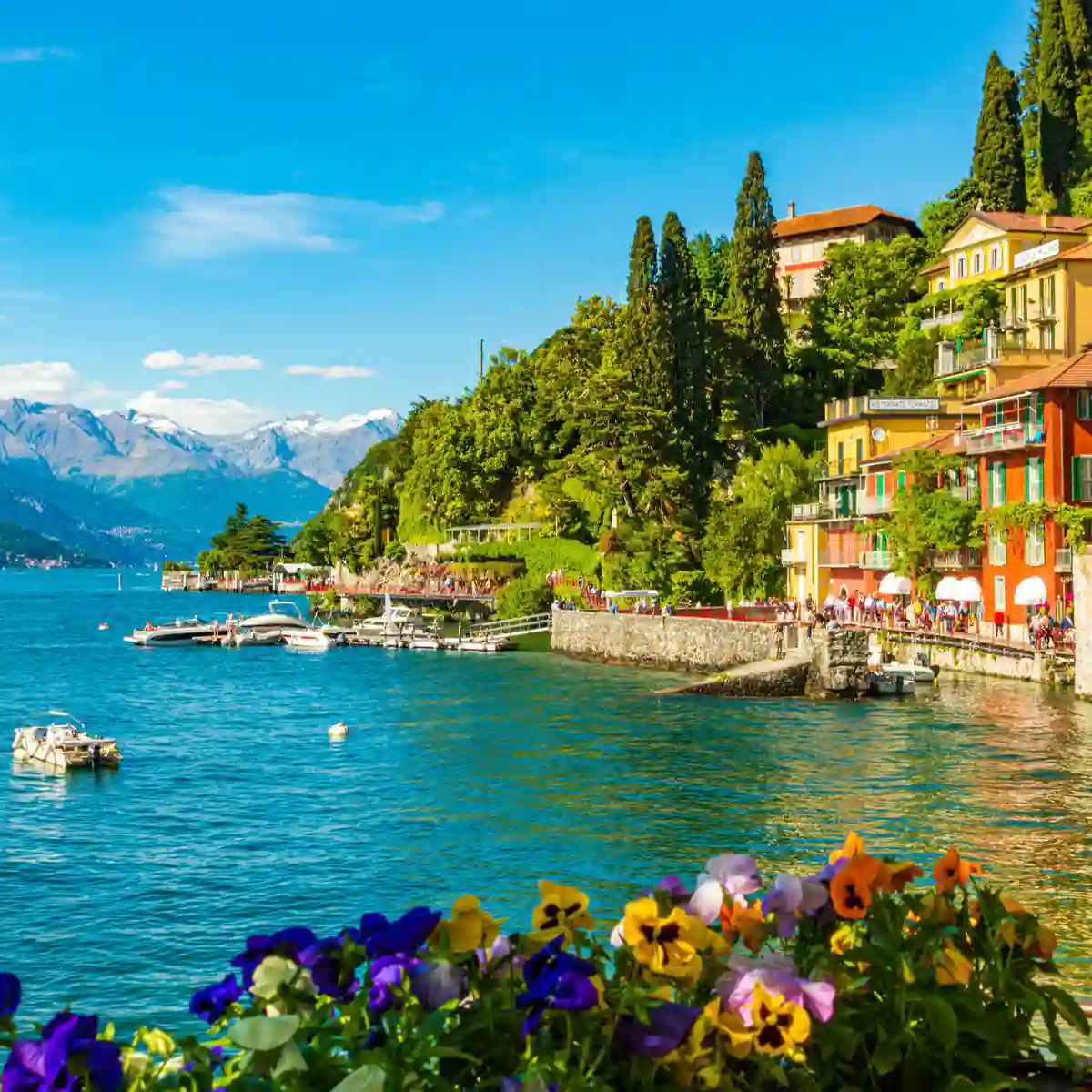
Wondering what to wear in Italy? Our season-by-season style guide covers church dress codes, smart-casual dining, cobblestone-friendly shoes, and blending in.
Figuring out what to wear in Italy is about more than packing for the weather. Italians treat dressing well as a form of everyday respect, and the way you present yourself shapes how you are received in restaurants, churches, and on the street. The good news is that you do not need a designer wardrobe to fit in. You need a few well-chosen, well-fitted pieces, an understanding of how the seasons change from Milan to Sicily, and a sense of the unwritten rules around sacred sites and elegant dinners. This season-by-season style guide walks you through exactly how Italians dress, what to pack for spring, summer, autumn, and winter, how to cover up for churches, what smart-casual really means for dinner and the opera, and how to choose shoes that survive the cobblestones. Along the way you will learn how to look put-together while avoiding the giveaways that mark you as an easy target for pickpockets.
Dress the part, travel in comfort
Skip crowded transfers in your best outfit. Explore Italy in style with a chauffeured car and a local guide who knows every cobblestone.
Explore Private ToursHow Italians Actually Dress
Before breaking things down by season, it helps to understand the mindset. Italian style, often summed up by the untranslatable word sprezzatura, is about looking effortlessly polished. Clothes fit well rather than tightly, colors are usually muted and coordinated, and outfits are built around a few quality pieces instead of a suitcase full of options. You will rarely see locals in baggy athletic shorts, oversized logo T-shirts, flip-flops, or gym gear away from the beach or the track. Even a quick trip to buy bread often calls for a collared shirt or a neat knit.
This does not mean you must be formal. It means choosing tailored trousers over cargo shorts, a linen shirt over a slogan tee, and leather shoes or clean minimal sneakers over trainers designed for the treadmill. Neutral tones such as navy, cream, olive, grey, and tan mix easily and always look intentional. When in doubt, dress up rather than down. You will feel more comfortable, and you will move through the country as a welcome guest rather than an obvious tourist.
Spring: March to May
Spring in Italy is beautiful but unpredictable. Mornings and evenings can be crisp while afternoons turn warm, and showers arrive without much warning. The key word is layers. Pack a light jacket or trench, a couple of long-sleeve shirts, a versatile knit sweater, and trousers or dark jeans. A scarf is invaluable, both for chilly moments and for covering your shoulders when you step into a church. Bring a compact umbrella and a light waterproof layer, especially if you are visiting the north, where April can still feel cool and damp.
By May, cities like Rome, Florence, and Naples warm up considerably, so add a few lighter tops you can wear on their own. This is one of the best times to visit, and dressing in adaptable layers means you can peel off or add clothing as the day unfolds without ever feeling caught out.
Summer: June to August
Italian summers are hot, and in the south and the islands the heat can be intense. Breathable natural fabrics are your friend. Choose linen, cotton, and lightweight blends in light colors that reflect the sun. For women, flowing dresses, midi skirts, and loose blouses work beautifully. For men, linen shirts, breathable polos, and tailored shorts in the resort towns strike the right balance. Always pack sunglasses, a hat, and high-factor sunscreen.
Keep in mind that even in the heat, very short shorts, crop tops, and swimwear are out of place in city centers and completely unacceptable in churches. Carry a light scarf or wrap in your day bag so you can cover up when needed. Evenings on the coast can carry a breeze, so a light layer is still worth having. For a deeper breakdown of exactly which items earn their place in your suitcase, see our ultimate Italy packing list.
Autumn: September to November
Autumn mirrors spring in its variability but tips gradually cooler. September often stays warm enough for summer clothes, especially in the south, while November can be genuinely cold and wet, particularly in the north and at higher elevations. Build your wardrobe around mid-weight layers: knit sweaters, long-sleeve shirts, a versatile jacket, and trousers or jeans. A trench coat or wool blazer looks distinctly Italian and handles the transitional weather well.
This is a rewarding season for style because you can lean into richer autumn tones and heavier textures without the summer crowds. Bring closed shoes that keep your feet warm and dry, and pack a scarf that doubles as both a fashion piece and a practical layer against the wind.
Winter: December to February
Winter varies dramatically across the country. Milan, Venice, and the north can be cold, foggy, and occasionally snowy, while Rome and the south stay milder but still cool and rainy. A warm wool coat is essential and always looks elegant on Italian streets. Layer it over sweaters and long-sleeve tops, and add a scarf, gloves, and a hat for the colder cities. Waterproof leather boots keep you comfortable through rain and slush.
If your trip includes the Alps or the Dolomites for skiing, that calls for dedicated technical gear, insulated jackets, and proper snow boots, kept separate from your city wardrobe. In the cities, the goal is to stay warm without looking bulky, so choose a good coat and quality knits rather than piling on bulky casual layers.
Season-by-Season Packing Table
| Season | What to Pack and Wear |
|---|---|
| Spring (Mar-May) | Light jacket or trench, layerable knits, long-sleeve shirts, dark jeans, scarf, compact umbrella, comfortable walking shoes. |
| Summer (Jun-Aug) | Linen and cotton in light colors, flowing dresses, breathable shirts, hat, sunglasses, sunscreen, a wrap for churches. |
| Autumn (Sep-Nov) | Mid-weight sweaters, trench or blazer, trousers, closed shoes, scarf, light rain layer for the north. |
| Winter (Dec-Feb) | Warm wool coat, sweaters, scarf, gloves, hat, waterproof leather boots; technical gear only for the mountains. |
Church and Sacred Site Dress Codes
Italy is home to some of the world's most magnificent churches, and nearly all of them enforce a dress code as a matter of respect. The core rule is simple and applies to everyone: shoulders and knees must be covered. That means no sleeveless tops, tank tops, or bare shoulders, and no shorts or skirts that end above the knee. Sites such as St. Peter's Basilica in Vatican City are especially strict, and guards will turn away visitors who are not properly covered, regardless of how long they have queued.
The easiest solution is to keep a lightweight scarf or shawl in your bag to drape over your shoulders, and to wear trousers, a maxi skirt, or a dress that falls below the knee. Men should avoid entering in shorts and should remove hats indoors. Even in the peak of summer heat, plan your outfit around these requirements if churches are on your itinerary, so a stunning cathedral does not turn into a disappointing turnaround at the door.
Smart-Casual for Dinner and the Opera
Dinner in Italy is a social occasion, and dressing for it is part of the pleasure. Most restaurants call for smart-casual: for men, tailored trousers or dark jeans with a collared shirt or fine knit, and clean leather shoes; for women, a dress, a skirt, or trousers with an elegant top. Leave the beachwear, athletic shorts, and flip-flops behind. Upscale establishments in cities like Milan and Rome may expect a jacket for men, so it is worth checking ahead for anywhere special.
The opera and classical concerts raise the bar further. Venues such as La Scala in Milan and La Fenice in Venice attract a well-dressed crowd, and while black tie is not usually mandatory, guests dress with genuine care. A dark suit or a blazer with smart trousers for men, and a cocktail dress or elegant separates for women, will keep you perfectly in place. Dressing up for these evenings is not about rules for their own sake; it is about sharing in an experience that Italians take great pride in.
Shoes for Cobblestones
Few things ruin a trip faster than aching or blistered feet, and Italy's historic centers are paved with uneven cobblestones that punish the wrong footwear. Choose supportive, broken-in shoes with cushioned soles and good grip. Stylish leather sneakers, sturdy loafers, and low block-heeled boots all work well and look appropriately put-together. Save delicate stilettos for taxi-to-table evenings only, as thin heels wedge and snap in the gaps between stones.
Flip-flops and flimsy sandals offer no support for the miles of walking a typical day involves, so keep them for the beach. If you want a full comparison of styles that balance comfort and Italian elegance, read our guide to the best shoes for Italy's cobblestones. Whatever you choose, wear them in at home before you travel so the streets of Rome are not where you discover a pinch point.
Dressing to Blend In and Stay Safe
Blending in is both a style goal and a safety strategy. Pickpockets in busy tourist areas look for easy marks, and certain wardrobe habits make you stand out. Avoid wearing an obvious money belt on the outside, dangling expensive cameras, or flashing valuable jewelry and watches. Skip the head-to-toe brand-new tourist gear and the giant national-flag souvenirs. A cross-body bag worn in front, zipped and kept close in crowds, is far safer than an open tote or a back pocket wallet.
Beyond security, dressing like a local simply improves your experience. When you match the muted palette, tidy fit, and appropriate coverage that Italians favor, you attract less unwanted attention from vendors and touts, and you are treated with a little more warmth in shops and restaurants. In short, the effort to look the part pays off in comfort, safety, and the quality of your interactions.
Ready to see Italy in comfort and style?
Arrive relaxed and dressed for the occasion. Book a private, chauffeured experience and let us handle the logistics while you enjoy the view.
Book NowFrequently Asked Questions
What should I wear to churches in Italy?
Both men and women must cover their shoulders and knees. Avoid sleeveless tops, tank tops, and shorts or skirts above the knee. Carry a scarf or shawl to drape over bare shoulders, and remove hats indoors. Major sites like St. Peter's Basilica enforce this strictly and will turn away anyone dressed improperly.
Can I wear shorts in Italy?
Tailored shorts are fine in summer in coastal and resort towns, but they look out of place in formal city settings and are not permitted in churches. In restaurants and historic centers, lightweight trousers, linen, or a dress will feel far more appropriate and comfortable.
What are the best shoes for walking on Italian cobblestones?
Choose supportive, broken-in shoes with cushioned soles and good grip, such as leather sneakers, sturdy loafers, or low block-heeled boots. Avoid thin stiletto heels, which catch in the gaps, and flimsy flip-flops, which offer no support for long days of walking.
How do Italians dress day to day?
Italians favor well-fitted, coordinated clothing in muted tones like navy, cream, and olive, built around a few quality pieces. They generally avoid athletic wear, oversized logo tees, and flip-flops in town, opting instead for tailored trousers, neat knits, and leather shoes even for casual errands.
What should I wear to the opera in Italy?
Venues like La Scala and La Fenice attract a well-dressed crowd. While black tie is rarely required, a dark suit or a blazer with smart trousers for men, and a cocktail dress or elegant separates for women, will keep you perfectly in place for the evening.
How can I avoid looking like a tourist target in Italy?
Wear muted, well-fitted clothing, keep valuables out of sight, and use a zipped cross-body bag worn in front in crowds. Avoid external money belts, dangling cameras, flashy jewelry, and head-to-toe new tourist gear, all of which draw the attention of pickpockets.
What should I pack for Italy in winter?
Bring a warm wool coat, layerable sweaters, a scarf, gloves, a hat, and waterproof leather boots. The north can be cold and foggy while the south stays milder. Pack dedicated technical gear only if you plan to visit the Alps or Dolomites for skiing.
Is there a dress code for restaurants in Italy?
Most restaurants expect smart-casual attire: collared shirts or fine knits with tailored trousers or dark jeans for men, and a dress, skirt, or elegant top for women. Leave beachwear and athletic shorts behind, and check ahead for upscale venues that may expect a jacket.
Keep Reading
Related Guides & Services
Frequently Asked Questions
What should I wear to churches in Italy?+−
Can I wear shorts in Italy?+−
What are the best shoes for walking on Italian cobblestones?+−
How do Italians dress day to day?+−
What should I wear to the opera in Italy?+−
How can I avoid looking like a tourist target in Italy?+−
What should I pack for Italy in winter?+−
Is there a dress code for restaurants in Italy?+−
Ready to Travel Italy Stress-Free?
Book a professional private taxi or airport transfer anywhere in Italy. Fixed prices, NCC-licensed drivers, meet & greet service — 24/7.

Written by
Italy Taxi Service Team
Expert travel writers sharing firsthand knowledge about transportation, airport transfers, and city navigation across Italy.