Cobblestones make Italy beautiful and brutal on your feet. Here are the best shoes for Italy by shoe type and season, plus what to avoid and how to pack smart.
If you take one piece of packing advice before your trip, make it this: choose the best shoes for Italy before you choose anything else in your suitcase. Italy's historic centers are paved with centuries-old cobblestones, and the gap between the right pair and the wrong pair is the difference between a day of joyful wandering and a day spent hunting for a pharmacy and a blister plaster. Rome alone is famous for its sampietrini, the small square basalt stones that pave everything from the alleys around the Pantheon to the vast expanse of St. Peter's Square. They are gorgeous, uneven, often slick, and completely unforgiving to feet that arrived in the wrong footwear. This guide breaks down exactly what works, what to avoid, and how to pack for it.
Save Your Feet Before They Even Hit the Stones
Skip the Long Cobblestone Haul With Luggage
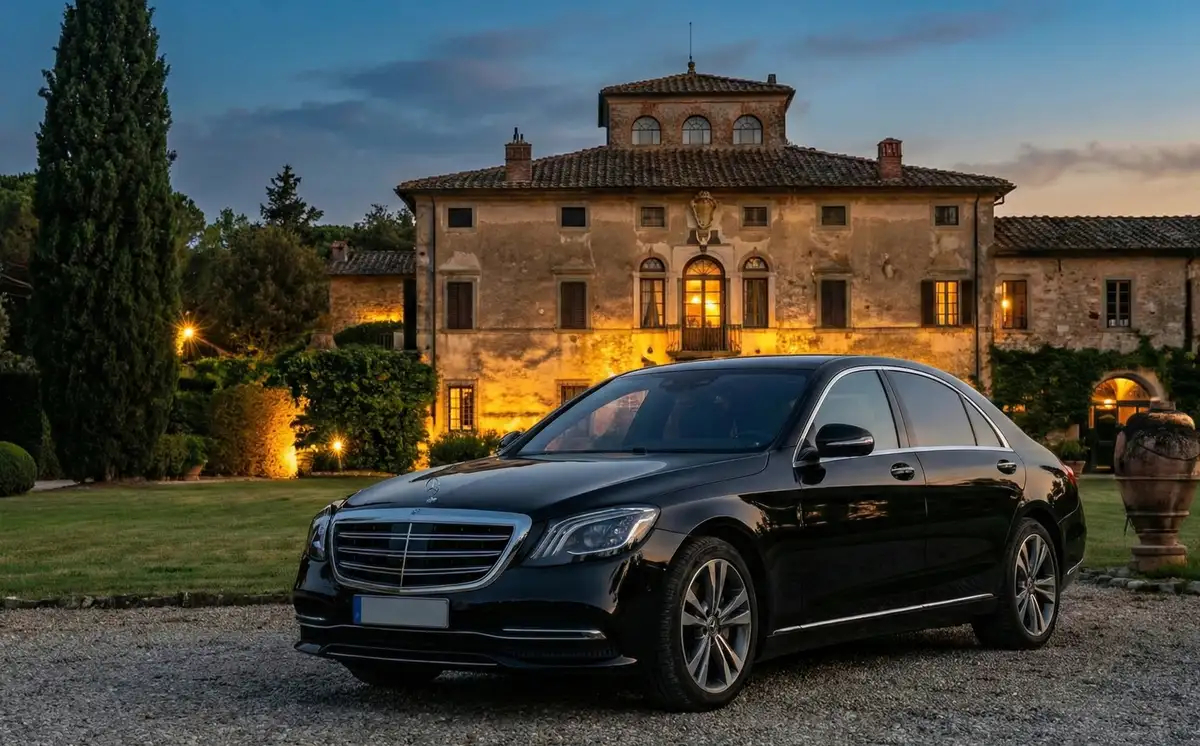
The hardest walking of any trip is dragging suitcases from the station or airport to your hotel over rough stone. A private transfer drops you at the door, so your good shoes are for sightseeing, not for hauling bags.
Explore Rome Transfers & Tours →Why Cobblestones Are So Hard on Your Feet
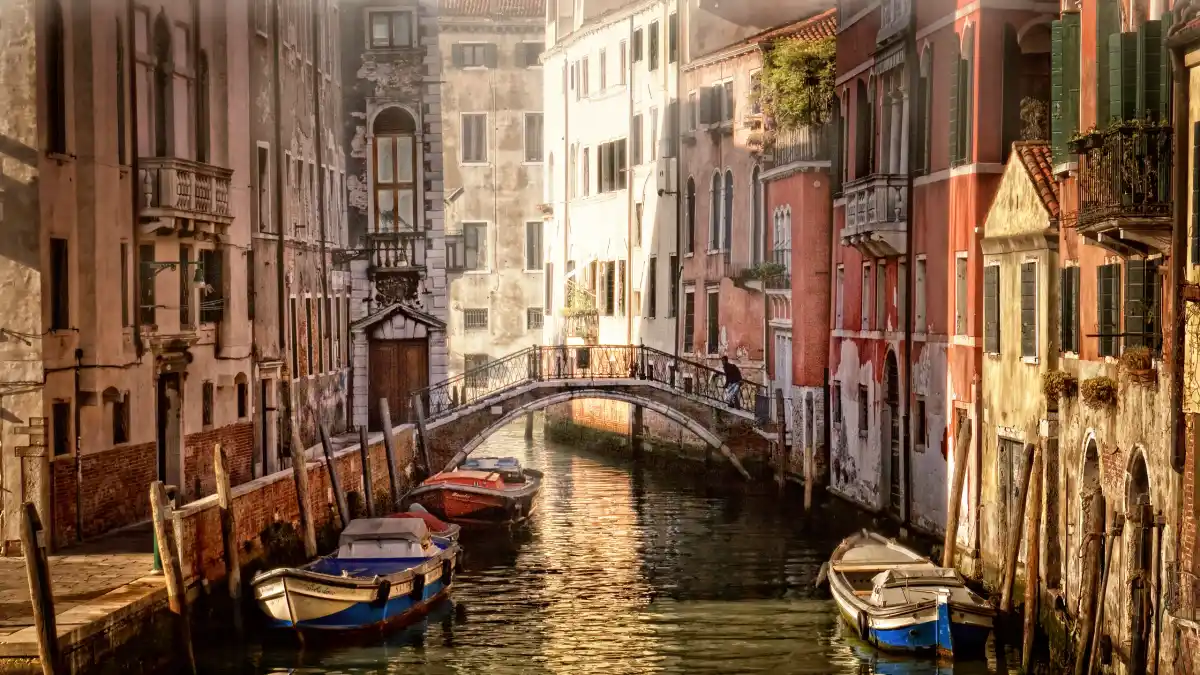
A modern pavement is flat, predictable, and slightly cushioned. Italian cobblestones are none of those things. Each stone sits at a marginally different height, which means your foot lands on a constantly shifting surface. Your ankles, arches, and calves work overtime to stabilize you with every single step, and after 15,000 or 20,000 steps in a day, that low-level effort adds up to real fatigue and soreness.
Three things make cobbles uniquely punishing. First, the uneven surface concentrates pressure on small points of your sole rather than spreading it evenly, so thin outsoles let every stone press into your foot. Second, the stones are often polished smooth by centuries of footfall and become genuinely slippery when wet, which is a real hazard in anything with a slick sole. Third, the gaps between stones are the perfect width to catch a narrow heel or a hard-soled toe, causing stumbles. This is why the best shoes for Italy prioritize cushioning, grip, and stability over fashion-first design.
The Best Shoe Types for Italy
You do not need to buy anything exotic. You need footwear from a few reliable categories, chosen for cushioning and a grippy, flexible sole. Here is what performs well on cobblestones day after day.
- Supportive sneakers and trainers. The single most reliable choice. Look for a cushioned midsole, a rubber outsole with real tread, and a snug heel. Leather or minimalist fashion sneakers with flat, hard soles look great but offer little protection, so favor a genuine walking or running-style build.
- Cushioned walking shoes. Purpose-built walking shoes give you arch support and a rockered sole that helps you roll over uneven ground. They tend to look tidier than chunky trainers, which helps when you want to blend in at dinner.
- Sturdy sandals with a contoured footbed. For summer, a well-built sandal with a molded footbed, arch support, and secure straps is far better than a flat flip-flop. The closed-in structure keeps your foot from sliding around on uneven stones.
- Low block heels (for evenings). If you want a dressier option, a low, chunky block heel spreads your weight across a wider base and is far more stable than a stiletto. A wedge works on the same principle. Save these for restaurants and short strolls, not full sightseeing days.
- Leather loafers or derbies (for men). A cushioned insole and a rubber (not leather) sole make smart lace-ups or loafers viable for a smart-casual day.
Quick Comparison: Shoe Type vs. Cobblestones
Use this as a fast reference when you are deciding what to pack.
| Shoe Type | Good For | Watch Out |
|---|---|---|
| Supportive sneakers | Full sightseeing days, all seasons | Can read casual at upscale dinners |
| Cushioned walking shoes | Long distances, arch support | Break them in before you fly |
| Sturdy sandals | Hot summer days, contoured footbed | Exposed toes on uneven stone |
| Low block heels / wedges | Dinner, dressy short walks | Not for a full day on foot |
| Loafers / derbies | Smart-casual, churches, men | Choose rubber over leather soles |
| Stilettos / flip-flops | Not recommended | Heels catch; flip-flops offer no support |
What to Avoid on Cobblestones
Some footwear that feels perfectly fine at home turns into a liability the moment you step onto a piazza. Steer clear of these:
- Stilettos and any narrow heel. The tip is precisely the width of the gaps between stones. Heels get wedged, wobble, and snap, and they force your weight onto a tiny, unstable point.
- Brand-new, unbroken-in shoes. The most common mistake. A new pair rubs in unfamiliar places, and Italy's mileage will find every seam. Wear any new shoes for several long walks at home first.
- Flimsy flip-flops. Thin foam offers zero arch support and no protection, the sole flexes into every crevice, and there is nothing holding your foot in place on a slick, angled stone.
- Hard, flat-soled fashion shoes. Ballet flats, flat leather sneakers, and thin-soled boots may look the part but transmit every stone straight into your foot.
The Best Shoes for Italy by Season
Weather changes the calculation, so match your footwear to when you travel. Our complete Italy packing list covers the rest of the wardrobe.
Spring and autumn (March to May, September to November). The sweet spot for walking. Supportive sneakers or cushioned walking shoes are ideal. Pack for the occasional shower with something that has a water-resistant upper and, critically, a grippy sole, because wet cobbles are slippery.
Summer (June to August). Heat is the enemy. Breathable sneakers with moisture-wicking socks work for daytime, while sturdy sandals with a contoured footbed handle the hottest afternoons. Avoid full leather that traps heat, and keep a lighter dressier option for evenings out.
Winter (December to February). Rain is more common than snow in most cities. Prioritize a water-resistant shoe or a low, cushioned boot with a lugged rubber sole for grip on wet, polished stone. Warm socks matter more than heavy insulation for a city trip.
Smart-Casual and Church Dress Codes
Italy dresses well, and comfortable does not have to mean scruffy. For dinner in a nice restaurant, clean minimalist sneakers, leather-look walking shoes, loafers, or a low block heel all read as smart-casual and keep you steady on the walk there and back.
Churches carry an additional rule that catches many visitors out. Major sites such as St. Peter's Basilica and the Duomo enforce a modest dress code: shoulders and knees must be covered for both men and women. That is about clothing rather than shoes, but it is worth planning around, because you will often walk straight from a cathedral to a cafe. A pair of tidy walking shoes plus a light layer to cover your shoulders lets you move between sightseeing, worship sites, and lunch without a wardrobe change. Note that many churches also have marble floors that are extremely slick, so a grippy sole helps indoors as well as out.
Men's vs. Women's: Practical Notes
The physics of cobblestones do not care about gender, but the typical footwear choices differ. For women, the main pitfall is dressy heels; the fix is swapping stilettos for a low block heel or wedge in the evening and reserving cushioned shoes for the day. Packing one dressy-but-stable pair alongside your daytime shoes covers almost every occasion.
For men, the temptation is a stylish but hard-soled leather shoe. A loafer or derby with a cushioned insole and a rubber sole gives you the smart-casual look Italian dining expects without the foot fatigue. Whatever your style, the two non-negotiables are the same for everyone: cushioning underfoot and a sole that grips. If you are booking a private tour, tell your guide your comfort level; a good driver-guide can shape the pace and the amount of walking to suit your feet.
Packing Tips: How Many Pairs and How to Break Them In
You rarely need more than two, occasionally three, pairs for a city trip. A realistic kit is one primary daytime pair (broken-in supportive sneakers or walking shoes), one dressier-but-stable pair for evenings, and, in summer, a sturdy sandal. Wear the bulkiest pair on the plane to save suitcase space.
- Break everything in. Log at least a few multi-hour walks at home in any shoe you plan to rely on. Discover hot spots before you leave, not on day one in Florence.
- Rotate pairs. Alternating shoes across days lets each pair dry out and gives different pressure points a rest, which dramatically cuts blisters.
- Pack cushioned socks and blister plasters. Good socks are half the comfort equation, and a few plasters in your day bag save the afternoon.
- Minimize the worst walking. The single roughest stretch of any trip is hauling luggage over cobbles between the station and your hotel. A private transfer removes exactly that stretch, so your carefully chosen shoes are spent on sightseeing rather than dragging bags across uneven stone.
Arrive Rested, Not Sore
Let a Private Driver Handle the Rough Roads
Door-to-door transfers mean less time on your feet with luggage and more time enjoying Italy in the shoes you actually want to wear. Reserve your ride in a couple of minutes.
Book Your Transfer Now →Frequently Asked Questions
What are the best shoes for Italy's cobblestones?
Supportive sneakers or purpose-built cushioned walking shoes are the best all-round choice. Look for a cushioned midsole, a grippy rubber outsole, and a secure heel. In summer, a sturdy sandal with a contoured footbed is a strong alternative for hot days.
Can I wear heels in Italy?
Skip stilettos and narrow heels, which get caught in the gaps between stones and are genuinely unstable. If you want a dressy look for dinner, choose a low, chunky block heel or a wedge, which spread your weight over a wider, steadier base. Keep them for short evening walks, not full days.
Are sneakers okay for restaurants in Italy?
Clean, minimalist sneakers are widely accepted as smart-casual and are fine in most restaurants. For a more upscale spot, a tidy leather-look walking shoe, a loafer, or a low heel dresses the look up while keeping you comfortable on the walk there.
How many pairs of shoes should I pack for Italy?
Two pairs cover most city trips: one broken-in daytime pair for heavy walking and one dressier-but-stable pair for evenings. Add a sturdy sandal in summer. Rotating pairs across days helps each one dry out and reduces blisters.
What shoes should I avoid in Italy?
Avoid stilettos and any narrow heel, flimsy flip-flops, hard flat-soled fashion shoes, and, above all, brand-new shoes you have not broken in. These either catch on the stones, offer no cushioning, or rub in unfamiliar places after thousands of steps.
Are cobblestones slippery when wet?
Yes. Centuries of foot traffic polish the stones smooth, and rain makes them noticeably slick. Choose a shoe with a grippy, lugged rubber outsole, and take extra care on inclines and on the marble floors inside many churches, which are also very slippery.
What should I wear to visit churches in Italy?
Major churches enforce a modest dress code covering shoulders and knees for everyone. Pair tidy walking shoes with a light layer you can throw over your shoulders. A grippy sole also helps on the slick marble floors common inside historic basilicas.
Do I really need special shoes if I book private transfers?
A private transfer removes the hardest walking, hauling luggage over cobbles between the station or airport and your hotel, but you will still walk plenty while sightseeing. You want comfortable, supportive shoes for those hours on foot; the transfer simply means you are not wearing them out dragging bags.
Keep Planning Your Trip
Related Guides & Services
Frequently Asked Questions
What are the best shoes for Italy's cobblestones?+−
Can I wear heels in Italy?+−
Are sneakers okay for restaurants in Italy?+−
How many pairs of shoes should I pack for Italy?+−
What shoes should I avoid in Italy?+−
Are cobblestones slippery when wet?+−
What should I wear to visit churches in Italy?+−
Do I really need special shoes if I book private transfers?+−
Ready to Travel Italy Stress-Free?
Book a professional private taxi or airport transfer anywhere in Italy. Fixed prices, NCC-licensed drivers, meet & greet service — 24/7.

Written by
Italy Taxi Service Team
Expert travel writers sharing firsthand knowledge about transportation, airport transfers, and city navigation across Italy.