A practical, day-by-day 3 days in Rome itinerary covering the Colosseum, Vatican, Pantheon, Trevi Fountain and Trastevere, with timing and transport tips.
Three days is just enough time to fall for the Eternal City without exhausting yourself. This 3 days in Rome itinerary is built around three clear themes: ancient Rome on day one, the Vatican on day two, and the historic centre on day three. It keeps walking distances sensible, groups nearby sights together, and leaves room for long lunches and the occasional gelato. Whether it is your first visit or a long-overdue return, follow this plan and you will see the essentials while still feeling like you experienced the city rather than just ticking boxes.
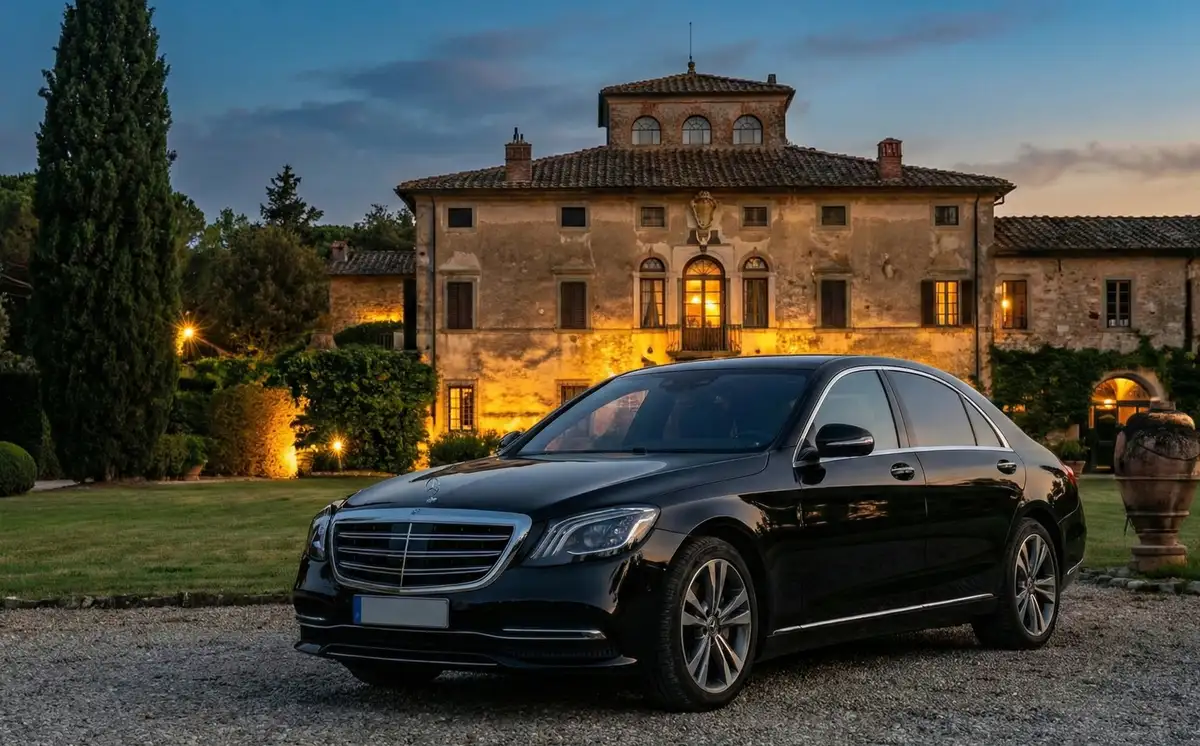
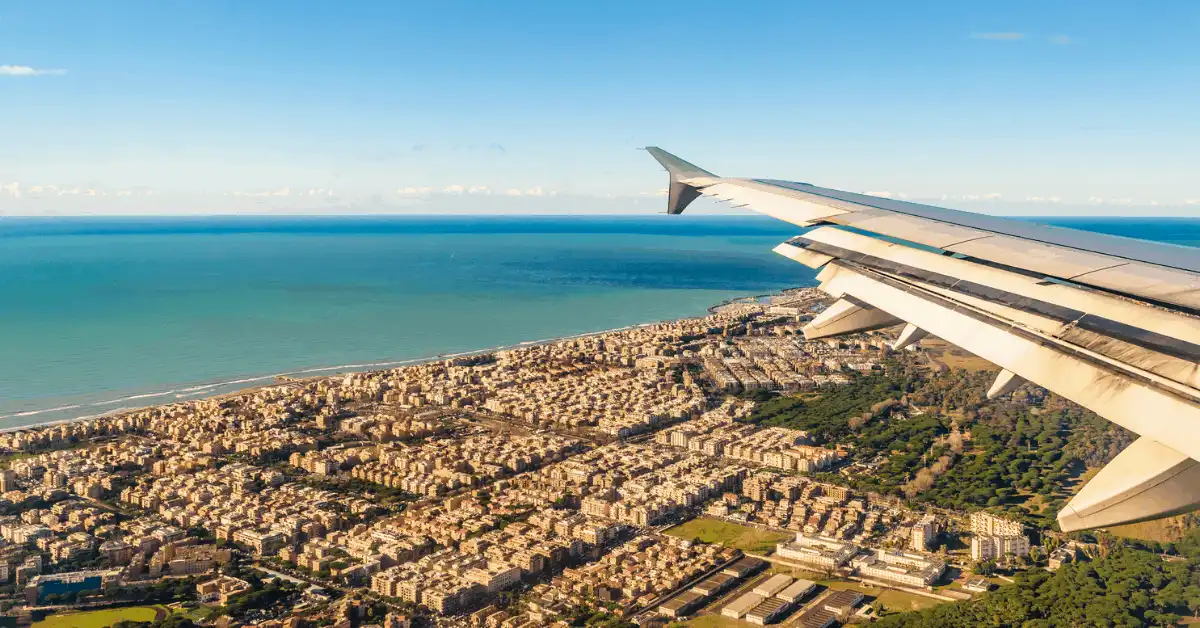
Arriving at Fiumicino or Ciampino? Start your trip stress-free with a private airport transfer straight to your hotel, no queues and no confusing tickets.
Book a Rome Airport Transfer →Your 3 Days in Rome at a Glance
Before we dive into the details, here is the shape of the three days. Each day is designed to keep you in one part of the city so you spend more time exploring and less time backtracking.
| Day | Focus | Main Sights | Evening |
|---|---|---|---|
| Day 1 | Ancient Rome | Colosseum, Roman Forum, Palatine Hill | Monti neighbourhood dinner |
| Day 2 | Vatican City | Vatican Museums, St Peter's Basilica, Castel Sant'Angelo | Sunset by the Tiber |
| Day 3 | Historic Centre | Pantheon, Trevi Fountain, Piazza Navona, Spanish Steps, Trastevere | Trastevere trattoria |
Day 1: Ancient Rome
Your first morning belongs to the icons of the ancient world. Start early at the Colosseum, ideally when it opens, to beat both the heat and the crowds. This is the largest amphitheatre ever built, and standing on the arena level looking up at the tiered seating gives you a real sense of the spectacles once staged here. Timed-entry tickets are essential and sell out, so book ahead and check current opening times before you go.
A single combined ticket usually covers the Colosseum, the Roman Forum and Palatine Hill, so plan to use all three on the same day. From the Colosseum, walk a few minutes to the entrance for the Roman Forum, the political and commercial heart of the ancient city. Wander the Via Sacra, past the Temple of Saturn and the Arch of Titus, and let yourself imagine the crowds that once filled these streets.
Climb up to Palatine Hill next. This is where Rome's emperors built their palaces, and it rewards you with some of the best views over the Forum below and the Circus Maximus beyond. It is also noticeably quieter and greener than the Forum, making it a lovely spot to pause. Bring water, wear comfortable shoes, and expect uneven ground and plenty of steps.
By early afternoon you will have earned lunch. The nearby Monti district is full of small trattorias and wine bars tucked into cobbled lanes, and it is far less touristy than the streets right beside the Colosseum. In the late afternoon, if energy allows, stroll to the Capitoline Hill and Piazza del Campidoglio, designed by Michelangelo, then look down over the Forum from the terrace as the light turns golden. Stay in Monti for dinner to keep your first evening relaxed and walkable.
Day 2: The Vatican and St Peter's
Day two is dedicated to the world's smallest independent state. The Vatican Museums hold one of the greatest art collections on earth, and the highlight is the Sistine Chapel, with Michelangelo's ceiling and his Last Judgment. The museums get extremely busy, so book a timed entry in advance and aim for the earliest slot you can. Give yourself at least two to three hours inside, and remember that the route to the Sistine Chapel is long, so pace yourself.
Dress appropriately, as both the museums and the basilica enforce a modest dress code: shoulders and knees should be covered. After the Sistine Chapel, follow signs toward St Peter's Basilica. Inside, look for Michelangelo's Pieta and Bernini's soaring bronze baldachin over the high altar. If you have the stamina, climb the dome for a panoramic view across the city, though be warned it involves a steep, narrow staircase near the top.
St Peter's Square itself, framed by Bernini's grand colonnade, is worth lingering in. Security lines to enter the basilica can be long, so factor that in and carry water, especially in summer. Entry to the basilica is typically free, while the dome climb and the museums are ticketed, so check current prices and times when you plan.
In the afternoon, walk east toward the river to Castel Sant'Angelo. Built originally as Emperor Hadrian's mausoleum and later used as a papal fortress, it offers atmospheric ramparts and terrific rooftop views over the Tiber and back toward St Peter's dome. Cross the Ponte Sant'Angelo, lined with Bernini's angel statues, and you are perfectly placed to watch the sun set over the water. This is one of the most romantic corners of Rome and a fitting way to close the day.
Want to cover more ground without the metro crowds? A private driver for the day can link the Vatican, ancient Rome and the historic centre on your schedule.
Book a Private Driver →Day 3: The Historic Centre and Trastevere
Save your final day for the tangle of piazzas and fountains that make central Rome so photogenic. Begin at the Pantheon, the best-preserved building of ancient Rome, with its vast unreinforced concrete dome and the famous oculus open to the sky. It is free or low-cost to enter depending on current rules, so check before arriving, and go early to appreciate the interior before the crowds swell.
From there it is a short walk to the Trevi Fountain. Toss a coin over your shoulder to ensure your return to Rome, then continue to Piazza Navona, an elegant oval square built over an ancient stadium and home to Bernini's Fountain of the Four Rivers. These sights sit close together, so this morning is mostly a pleasant, meandering walk through narrow streets and hidden corners.
Head next to the Spanish Steps, the sweeping staircase that links Piazza di Spagna with the church of Trinita dei Monti above. Note that sitting on the steps is not permitted and can result in a fine, so admire them, take your photo, and move on. The surrounding streets are Rome's high-end shopping district if you fancy a browse.
For your last evening, cross the river to Trastevere. This is Rome at its most charming: ivy-clad facades, cobbled alleys, and a lively dinner scene. Visit the Basilica di Santa Maria in Trastevere with its glittering medieval mosaics, then settle into a trattoria for classic Roman dishes such as cacio e pepe, carbonara or saltimbocca. It is the perfect way to end three days in the Eternal City.
Getting Around Rome
Rome's historic centre is compact and best explored on foot, but distances add up over three busy days. The metro has just a few lines and does not reach every sight, though it is useful for longer hops such as the Colosseum to the Vatican area. Buses and trams fill in the gaps, and a single ticket generally covers a set window of travel across the network, so validate it when you board and check current fares.
One crucial thing to understand is the ZTL, or Zona a Traffico Limitato. Large parts of the historic centre are restricted to authorised vehicles during certain hours, and cameras issue automatic fines to cars that enter without a permit. This is why a licensed private driver, who knows exactly where they can and cannot go, is often smoother than trying to drive yourself. For the practical detail on taxis, apps and transport passes, see our guide to getting around Rome.
- Wear genuinely comfortable shoes; you will walk several miles a day on cobblestones.
- Carry a refillable bottle and top up at the city's free drinking fountains, known as nasoni.
- Keep an eye on belongings in crowds and on busy buses.
- Book major attractions online in advance to secure timed entry.
Where to Stay for This Itinerary
Choosing the right base makes a three-day trip far more efficient. The historic centre around the Pantheon and Piazza Navona puts you within walking distance of day three's highlights, though it is pricier. Monti is trendy, atmospheric and close to the Colosseum, ideal for day one. Prati, near the Vatican, is quieter and well connected, handy if the Vatican is your priority. Wherever you stay, aim for somewhere within walking distance of a metro stop or major bus route so you can start each day quickly.
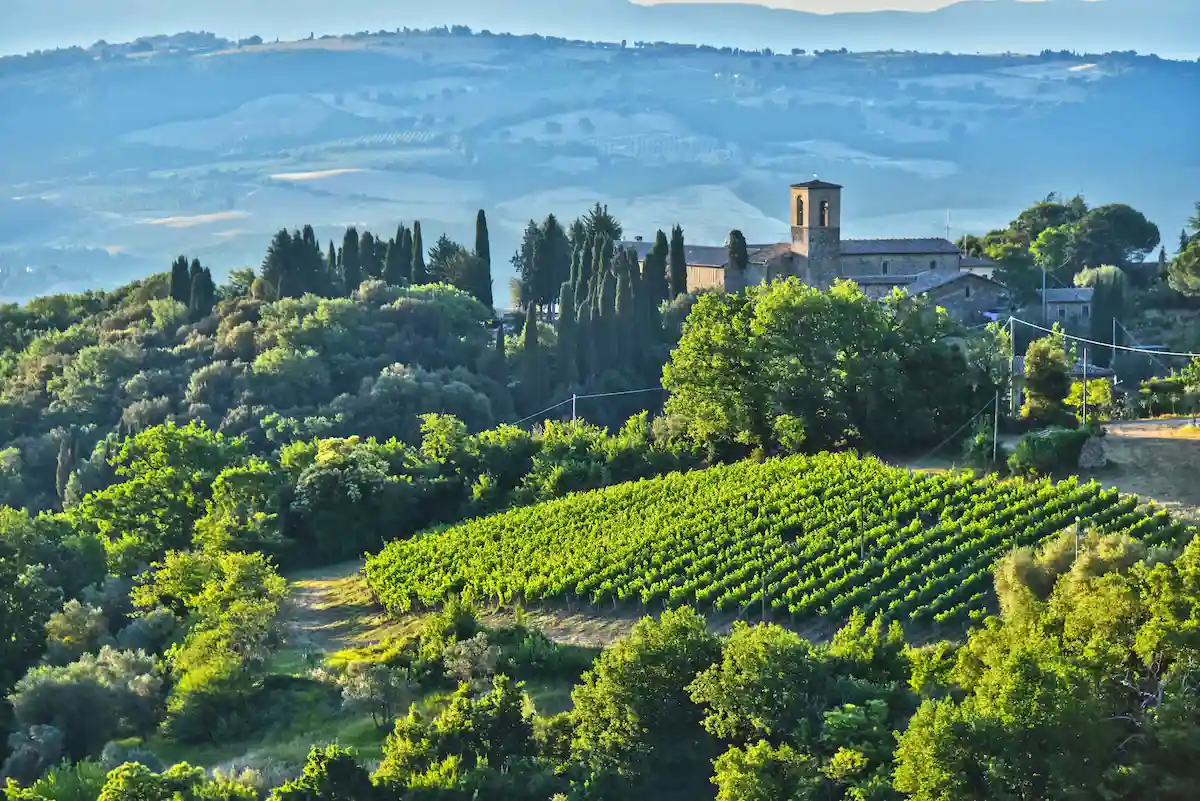
If you plan to take day trips beyond the city, a private transfer or driver keeps things flexible. Many visitors pair Rome with a run north to Tuscany, and a comfortable Rome to Florence transfer lets you enjoy the scenery without the stress of driving. For city sightseeing on your own timetable, a private tour with a local driver can weave these three days together seamlessly.
Practical Tips to Make It Smoother
A few small choices can transform your three days. Start each morning early, when the light is soft and the queues are short, and use the hottest midday hours for lunch or an indoor site. Build in buffer time between ticketed entries so a slow queue does not derail your whole day. Above all, resist the urge to over-schedule; Rome rewards those who leave space to simply wander and get pleasantly lost.
Arrival and departure days are where a little planning pays off most. Rather than wrestling with luggage on a crowded train or metro after a long flight, a door-to-door private airport transfer gets you to your hotel and into holiday mode faster. It is the easiest way to bookend a trip built around this 3 days in Rome itinerary.
Ready to lock in stress-free transport for your Rome trip? Reserve your transfer or private driver in just a few clicks.
Book Now →Frequently Asked Questions
Is 3 days enough time to see Rome?
Three days is enough to cover Rome's essential sights, including ancient Rome, the Vatican and the historic centre. You will not see everything, but with an organised itinerary like this one you can enjoy the highlights without rushing. It is a great length for a first visit or a focused return trip.
What is the best order to visit Rome's main sights?
Grouping sights by area is the most efficient approach. Dedicate one day to ancient Rome (Colosseum, Forum, Palatine), one to the Vatican and Castel Sant'Angelo, and one to the historic centre and Trastevere. This keeps walking distances short and reduces time spent crossing the city.
Do I need to book tickets in advance?
Yes, for the Colosseum and the Vatican Museums timed-entry tickets are strongly recommended and often sell out, especially in peak season. Booking online also lets you skip the longest queues. Always check current opening hours and prices on the official sites before you travel.
How do I get from Rome's airports to the city centre?
Both Fiumicino and Ciampino connect to the centre by train, bus or taxi. For the least hassle after a flight, a private airport transfer takes you door to door to your hotel with a fixed price and no waiting in line. This is especially helpful if you have luggage or arrive late.
What is the ZTL and why does it matter?
The ZTL, or Zona a Traffico Limitato, is a restricted traffic zone covering much of Rome's historic centre. Cameras automatically fine unauthorised vehicles that enter during restricted hours. This is why using a licensed driver, who knows the permitted routes, is smoother than driving yourself into the centre.
Is Rome walkable, or do I need public transport?
The historic centre is very walkable and most day three sights are within a short stroll of each other. For longer distances, such as reaching the Vatican or the Colosseum, the metro and buses are useful. Comfortable shoes are essential given the cobblestones.
What should I wear to visit the Vatican and St Peter's?
Both the Vatican Museums and St Peter's Basilica enforce a modest dress code, meaning shoulders and knees must be covered. Avoid sleeveless tops, short shorts and short skirts, or bring a scarf to cover up. You may be turned away at the entrance otherwise.
Can I add a day trip to this itinerary?
Absolutely. If you have extra time, popular day trips include Tivoli, Ostia Antica or a longer run to Florence and Tuscany. A private driver makes these easy and flexible, letting you leave when you like and enjoy the scenery without navigating unfamiliar roads.
Frequently Asked Questions
Is 3 days enough time to see Rome?+−
What is the best order to visit Rome's main sights?+−
Do I need to book tickets in advance?+−
How do I get from Rome's airports to the city centre?+−
What is the ZTL and why does it matter?+−
Is Rome walkable, or do I need public transport?+−
What should I wear to visit the Vatican and St Peter's?+−
Can I add a day trip to this itinerary?+−
Ready to Travel Italy Stress-Free?
Book a professional private taxi or airport transfer anywhere in Italy. Fixed prices, NCC-licensed drivers, meet & greet service — 24/7.

Written by
Italy Taxi Service Team
Expert travel writers sharing firsthand knowledge about transportation, airport transfers, and city navigation across Italy.