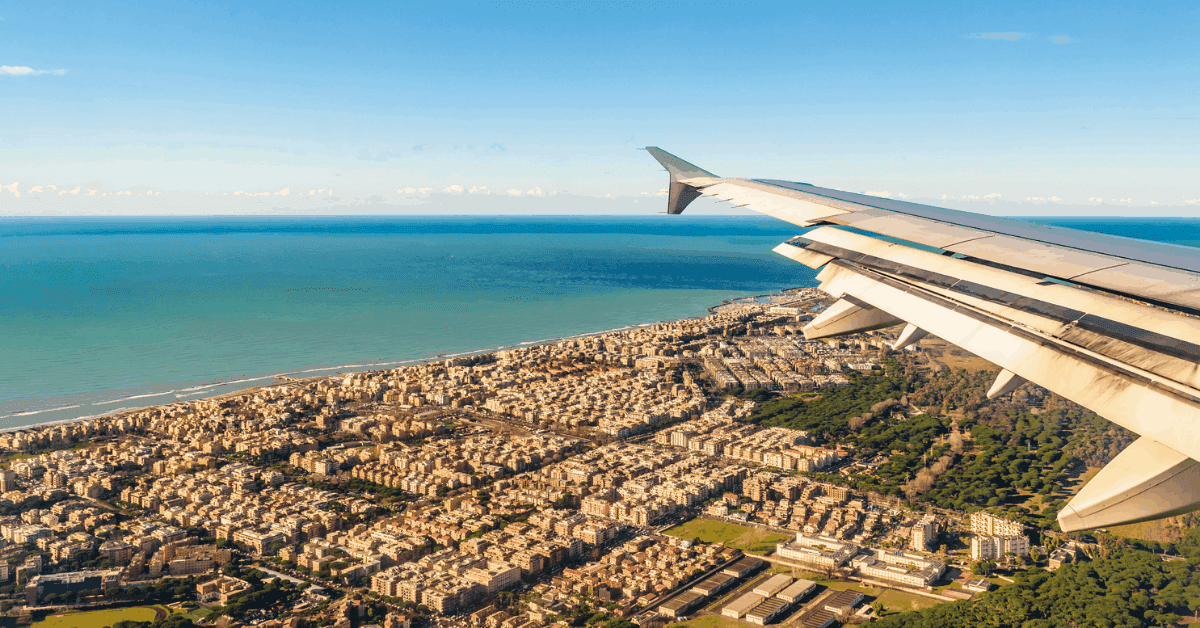
Fiumicino or Ciampino? Compare Rome's two airports by location, airlines, size and transport to help you pick the right one for your trip.
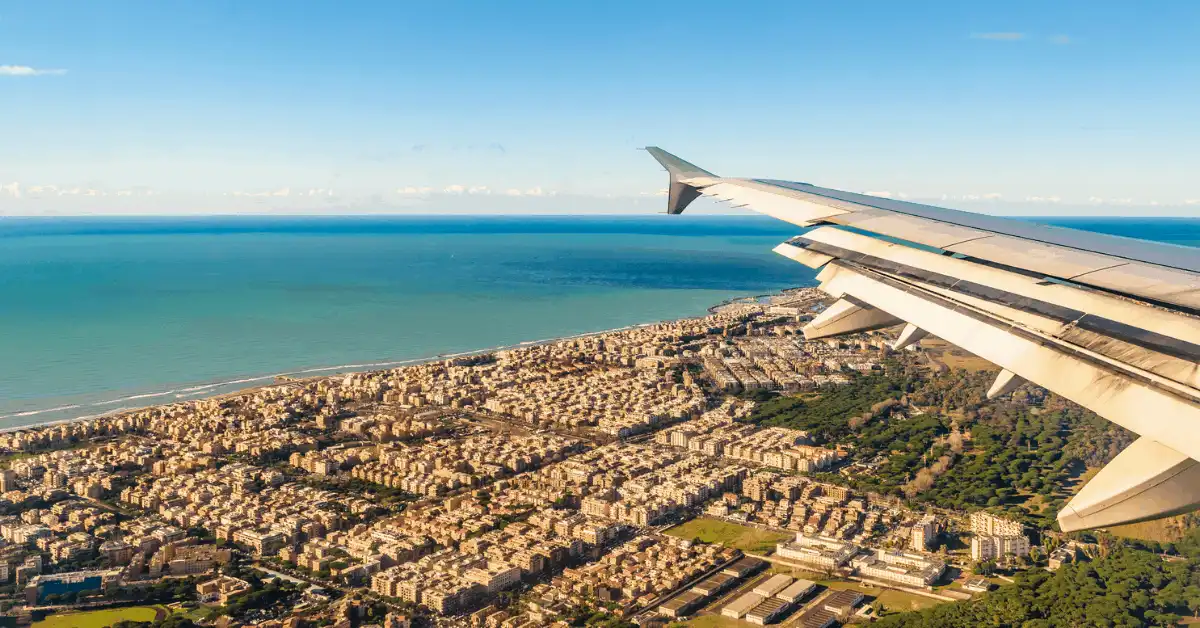
Deciding between Fiumicino or Ciampino is one of the first questions travellers face when booking a trip to the Eternal City. Rome is served by two very different airports, and while your flight often makes the choice for you, understanding how they compare helps you plan smarter, budget for transport and avoid a stressful arrival. Fiumicino (Leonardo da Vinci) is the large intercontinental hub that handles the vast majority of full-service and long-haul flights, while Ciampino is a smaller airport used mainly by low-cost carriers. This guide breaks down location, airlines, facilities and how to reach the city centre from each, so you know exactly what to expect before you land.
Landing at either airport and want a fixed-price, meet-and-greet ride straight to your hotel? Skip the queues with a private transfer.
Book a Rome Airport Transfer →Rome's two airports at a glance
Rome is served by Fiumicino Airport (FCO), officially named Leonardo da Vinci, and Ciampino Airport (CIA), officially G. B. Pastine. They sit on opposite sides of the city. Fiumicino lies roughly 32 km to the southwest, near the coast, and is Italy's busiest airport and the primary gateway for international and intercontinental travel. Ciampino sits about 15 km to the southeast of the historic centre and is much smaller, functioning mainly as a base for low-cost and charter airlines. Although Ciampino is geographically closer to the centre, that does not automatically make it faster or cheaper to reach, as we will see below.
Fiumicino vs Ciampino comparison table
Here is a side-by-side look at how the two airports compare on the factors that matter most when planning your arrival.
| Feature | Fiumicino (FCO) | Ciampino (CIA) |
|---|---|---|
| Distance to centre | About 32 km southwest | About 15 km southeast |
| Airlines | Full-service & long-haul (ITA Airways, major international carriers) | Mainly low-cost (Ryanair, Wizz Air) and charters |
| Size & facilities | Large, multiple terminals, wide dining, shops, lounges | Small, single main terminal, limited facilities |
| Rail link | Leonardo Express to Roma Termini; regional FL1 line | No direct train at the airport |
| Bus & transfer | Shuttle buses, private transfers, taxis | Shuttle buses, private transfers, taxis |
| Best for | International arrivals, connections, comfort | Budget flights within Europe |
Note that exact journey times and fares change with traffic, timetables and season, so always check current schedules close to your travel date.
Location and distance to the centre
On paper, Ciampino wins on distance: at around 15 km southeast, it is roughly half as far from central Rome as Fiumicino, which sits about 32 km away near the Tyrrhenian coast. In practice, though, the picture is more nuanced. Fiumicino has a dedicated express rail line straight into the city, meaning a predictable, traffic-free journey. Ciampino has no train station at the airport itself, so every option involves the road for at least part of the trip, and Rome's ring road and southeastern approaches can be congested at peak times. When you factor in reliability rather than raw kilometres, Fiumicino often feels just as convenient despite being further out.
Airlines and flight types
The clearest practical difference between the two is who flies there. Fiumicino is Rome's intercontinental hub, home to ITA Airways and a long list of major international and long-haul carriers. If you are arriving from North America, Asia, the Middle East or connecting between continents, you will almost certainly land at FCO. Ciampino, by contrast, is dominated by low-cost airlines such as Ryanair and Wizz Air, along with some charter and cargo operations. If you have booked a cheap point-to-point fare within Europe, there is a good chance it routes through Ciampino. For most travellers, then, the airline and route decide the airport before any other consideration comes into play.
Size, terminals and facilities
Fiumicino is a full-scale international airport with several terminals, extensive dining and shopping, lounges, and services geared toward long-haul passengers and connections. It can feel busy, but there is plenty of space to wait, eat or freshen up, which matters after a long flight or during a layover. Ciampino is compact, built around a single main passenger terminal with a more limited range of shops and eateries. The upside of its size is that it is quick to walk through, and you can often get from the gate to the exit in minutes. The trade-off is fewer amenities if you have time to spare or a delay to sit out.
Getting from the airport to Rome
From Fiumicino, the headline option is the Leonardo Express train, which runs directly to Roma Termini, the city's central station, on a dedicated non-stop service. There is also the regional FL1 line for other parts of the city, plus shuttle buses, taxis and private transfers. The train is popular precisely because it avoids road traffic entirely, and our full comparison of how to get from Fiumicino Airport to Rome city centre sets out the timings and trade-offs of each option side by side. For a smoother door-to-door experience, especially with luggage, a private airport transfer takes you straight to your accommodation without changes.
From Ciampino, there is no train at the airport. The common public route is a shuttle bus into the centre, sometimes combined with a short connection, or a regional bus link to a nearby station. Because everything involves the road, a taxi or a pre-booked Rome airport transfer is often the most straightforward choice for reaching your hotel directly. Whichever airport you use, check current bus and train timetables before you fly, as services and prices are updated regularly.
Which airport should you choose?
In most cases your flight decides for you, but if you do have a choice, or you are weighing which fare to book, here is how it breaks down by traveller type:
- Long-haul and international travellers: Fiumicino is your airport. It handles intercontinental routes, offers the widest connections and has the facilities to match a long journey.
- Budget travellers within Europe: Ciampino often has the cheapest fares on low-cost carriers, and its small size makes for a fast walk-through on arrival.
- First-time visitors and families: Fiumicino's direct express train and broader services generally make for a smoother, less stressful arrival, particularly with children or lots of luggage.
- Travellers who value simplicity: If you dislike changes and connections, Fiumicino's rail link or a private transfer from either airport gives you the most predictable door-to-door trip.
- Those staying in southeast Rome or the Castelli Romani: Ciampino's location can put you closer to your final destination, reducing overall transfer time.
If comfort and reliability top your list, Fiumicino is hard to beat. If price is the deciding factor and you are travelling light within Europe, Ciampino does the job. Either way, arranging your ground transport in advance removes the biggest variable from your arrival.
Whether you land at FCO or CIA, our English-speaking drivers meet you at arrivals with a fixed price and no meter surprises.
Book Your Transfer Now →Frequently Asked Questions
Is Fiumicino or Ciampino closer to Rome?
Ciampino is closer in distance, at about 15 km southeast of the centre versus roughly 32 km for Fiumicino. However, Fiumicino has a direct express train, so the journey can feel just as quick and reliable.
Which airport do most international flights use?
Fiumicino (Leonardo da Vinci) handles the vast majority of full-service and long-haul international flights, including intercontinental routes. Ciampino is used mainly by low-cost European carriers.
Does Ciampino have a train to the city centre?
No, there is no train station at Ciampino airport itself. Travellers typically use shuttle buses, a bus-plus-rail connection, taxis or a pre-booked private transfer to reach central Rome.
How do I get from Fiumicino to Rome by train?
The Leonardo Express runs a direct, non-stop service from Fiumicino to Roma Termini, the central station. The regional FL1 line serves other parts of the city. Check current timetables before you travel.
Which airport is better for budget flights?
Ciampino is the base for low-cost airlines such as Ryanair and Wizz Air, so budget fares within Europe often route through it. Its compact size also makes for a fast walk-through.
Is a taxi or transfer better from Ciampino?
Because Ciampino has no direct train, a taxi or pre-booked private transfer is often the simplest way to reach your hotel directly, avoiding changes and waiting for shuttle buses.
How long does it take to get from FCO to central Rome?
Journey times vary with traffic and your transport choice. The express train is designed to be quick and traffic-free, while road journeys depend on conditions. Always check current schedules close to your date.
Can I book a transfer for either airport in advance?
Yes. Private transfers can be booked in advance for both Fiumicino and Ciampino, with a driver meeting you at arrivals and a fixed price agreed before you travel.
Frequently Asked Questions
Is Fiumicino or Ciampino closer to Rome?+−
Which airport do most international flights use?+−
Does Ciampino have a train to the city centre?+−
How do I get from Fiumicino to Rome by train?+−
Which airport is better for budget flights?+−
Is a taxi or transfer better from Ciampino?+−
How long does it take to get from FCO to central Rome?+−
Can I book a transfer for either airport in advance?+−
Ready to Travel Italy Stress-Free?
Book a professional private taxi or airport transfer anywhere in Italy. Fixed prices, NCC-licensed drivers, meet & greet service — 24/7.

Written by
Italy Taxi Service Team
Expert travel writers sharing firsthand knowledge about transportation, airport transfers, and city navigation across Italy.