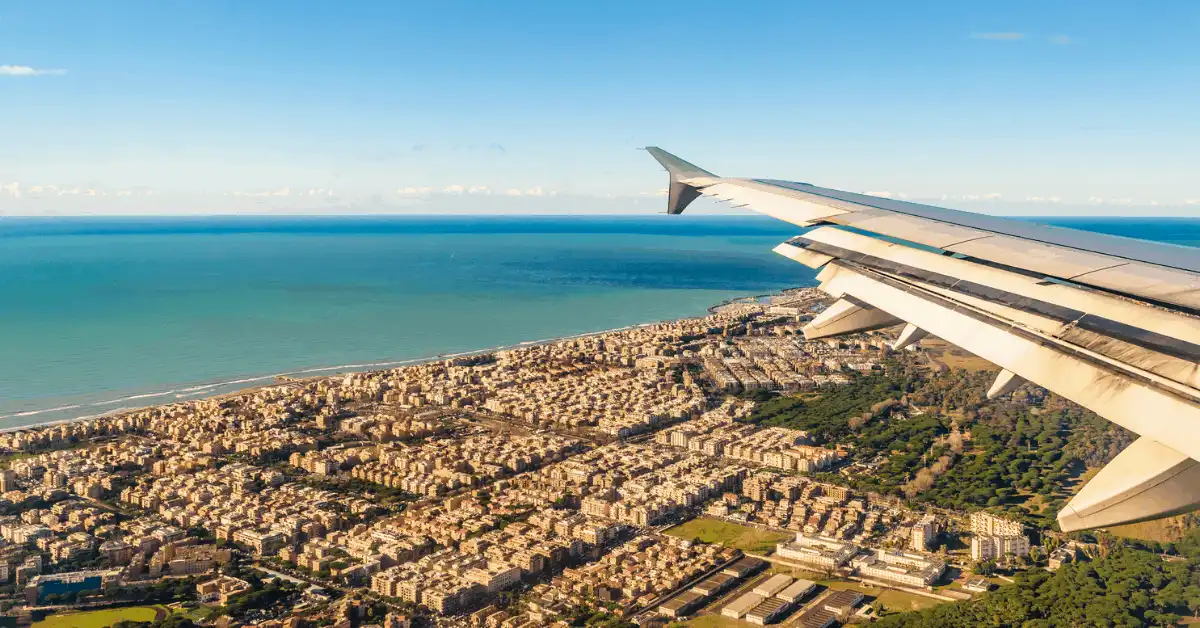
Planning your first time in Rome? A practical guide to airport transfers, neighbourhoods, top sights, getting around the ZTL, money, safety and more.
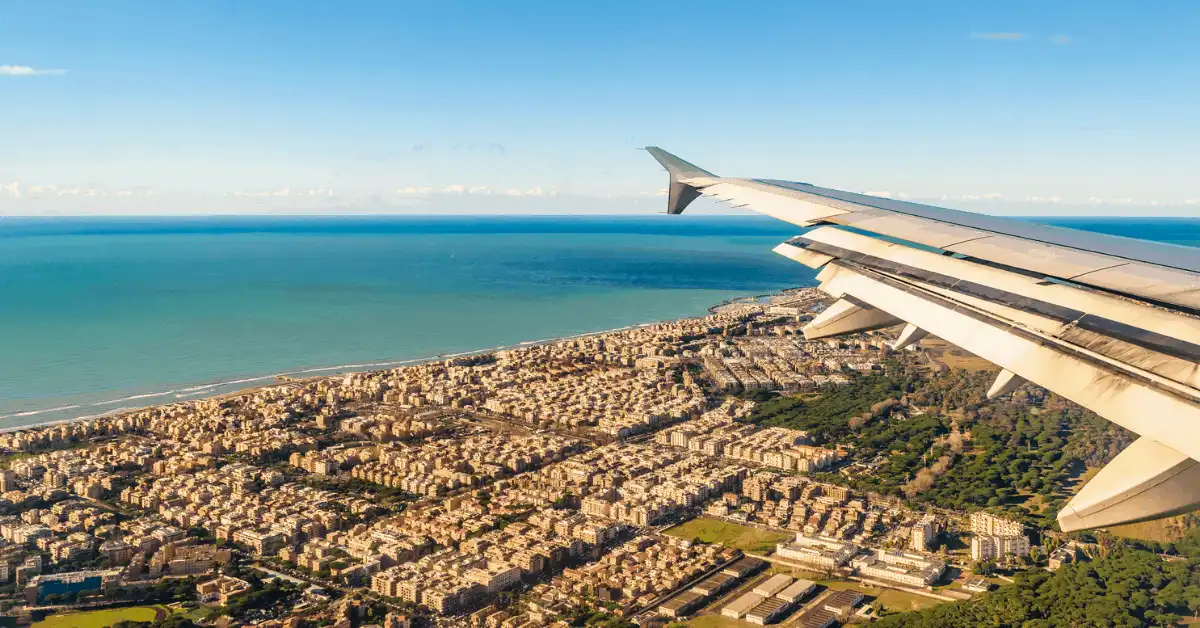
Your first time in Rome can feel wonderfully overwhelming: ancient ruins sit next to espresso bars, mopeds weave through 2,000-year-old streets, and every piazza seems to hide another fountain or church you did not plan to see. This guide walks you through the essentials a first-timer actually needs, from getting out of the airport smoothly to choosing a neighbourhood, planning your sightseeing, moving around the city, handling money, and staying safe. Read it once before you fly and you will arrive knowing exactly what to expect.
Skip the taxi queue and language confusion after a long flight. A fixed-price private airport transfer meets you at arrivals and takes you straight to your hotel.
Book a Rome Airport Transfer →Getting From the Airport Into the City
Rome has two airports. Fiumicino (FCO), also called Leonardo da Vinci, is the larger international hub and sits southwest of the city, roughly 30 kilometres out. Ciampino (CIA) is smaller, closer, and mostly used by low-cost carriers. Your options for reaching central Rome differ a little between the two, but the basic choices are the same.
- Train: From Fiumicino, the Leonardo Express runs direct to Roma Termini, the main station, in about half an hour. It is efficient but you still need to reach your hotel from Termini with luggage.
- Bus: Budget shuttle buses connect both airports to Termini. They are the cheapest option but can be slow in traffic and crowded at peak times.
- Official taxi: Rome sets a fixed flat fare between Fiumicino and the historic centre (inside the Aurelian Walls), which protects you from meter surprises. Always use the licensed white taxis at the official rank and confirm the flat rate before you set off.
- Private transfer: A pre-booked driver waits at arrivals with your name, helps with bags, and drives you door to door for a price agreed in advance. After a long-haul flight, this removes almost every point of friction.
If you are jet-lagged, travelling as a family, or arriving late at night, a private transfer is usually worth it. A driver who knows Rome's restricted traffic zones (more on those below) can also drop you as close to your hotel as the rules allow, which matters when you are wheeling suitcases over cobblestones.
Neighbourhoods and Where to Stay
Where you stay shapes your whole trip. Rome's centre is compact enough to walk, so choosing a central base means you can wander home for a rest at midday rather than committing to long transit rides. Here is how the main first-timer areas compare.
| Neighbourhood | Best for | Character |
|---|---|---|
| Centro Storico (around the Pantheon & Piazza Navona) | First-timers who want to walk everywhere | Postcard Rome, lively, higher prices |
| Monti | Foodies and a local feel near the Colosseum | Bohemian, boutique, great trattorias |
| Trastevere | Nightlife, dining and cobbled charm | Atmospheric, busy after dark |
| Prati / near the Vatican | Quieter stays with easy Vatican access | Elegant, residential, good value |
| Around Termini | Budget travellers and transport links | Convenient but less scenic |
For a first visit, staying inside or right beside the Centro Storico is the simplest choice, even if you pay a little more, because you save time and transport costs by having the major sights on your doorstep.
Top Sights and How Long You Need
Rome's headline attractions cluster into a few zones. Knowing roughly how much time each needs helps you build a realistic day rather than sprinting between tickets. Book the big-ticket sites ahead online, since timed entry is now common and same-day availability is unreliable.
- Colosseum, Roman Forum and Palatine Hill: Allow half a day. A combined ticket usually covers all three, and the Forum is far bigger than people expect.
- Vatican Museums and Sistine Chapel: Allow three to four hours. Go early or late to avoid the worst crowds, and dress to cover shoulders and knees.
- St Peter's Basilica: Allow one to two hours, more if you climb the dome. Entry is separate from the museums.
- Pantheon: Allow 30 to 45 minutes. Check current entry rules, as ticketing has changed in recent years.
- Trevi Fountain, Spanish Steps and Piazza Navona: These are free to admire and easy to string together on foot in an afternoon.
With three full days you can comfortably cover the highlights above without rushing. If you have less time, prioritise the Colosseum area and the Vatican, then fill the gaps with piazzas and gelato. For a ready-made plan, our 3 days in Rome itinerary maps it out hour by hour.
Getting Around Rome: Walking, Metro, ZTL and Taxis
The good news for a first-timer is that central Rome is best explored on foot. Distances between famous sights are often shorter than they look on a map, and walking is how you stumble on the small fountains, courtyards and bakeries that make the city memorable. Wear proper shoes, because the cobblestones (sampietrini) are unforgiving.
For longer hops, the metro has three lines. It is quick but does not reach every corner of the historic centre, since digging tunnels through ancient ruins is slow work. Buses and trams fill the gaps but can be confusing on a first visit. Buy tickets before boarding and validate them.
One thing every visitor should understand is the ZTL (Zona a Traffico Limitato), a limited-traffic zone covering much of the historic centre. During restricted hours, only authorised vehicles may enter, and cameras issue fines automatically to those who break the rule. This is why your hotel may not sit right on a driveable street, and why a professional driver will know exactly where they can legally stop. If you use taxis, stick to the official licensed white cabs, use a rank or call for one rather than accepting street offers, and check the meter is running. For a fuller breakdown, see our guide to getting around Rome by taxi and transport.
Money and Tipping Basics
Italy uses the euro. Cards are widely accepted in restaurants, shops and museums, but it is still smart to carry some cash for small cafes, markets, tips and the occasional place that prefers it. Contactless payments work almost everywhere in the centre.
Tipping in Rome is modest compared with some countries, and it is genuinely appreciated rather than expected. A few pointers:
- Restaurants often add a coperto (cover charge) per person; this is not a tip. Rounding up or leaving a euro or two for good service is normal.
- In bars, standing at the counter for your espresso is cheaper than sitting at a table, where a service charge usually applies.
- For taxis, rounding up to the nearest convenient amount is customary rather than a percentage.
- For a private driver or guide who has gone out of their way, a small tip is a kind gesture but never mandatory.
Prices change with season and demand, so rather than budgeting to exact figures, plan to book meals, tickets and transfers ahead and check current rates when you reserve.
Staying Safe and Avoiding Pickpockets
Rome is a safe city for visitors overall, and violent crime against tourists is rare. The realistic risk is petty theft, especially pickpocketing in crowded spots: packed buses (the route to the Vatican is notorious), the metro, and the crush around the Trevi Fountain and Termini station.
Simple habits keep you out of trouble:
- Carry your bag across your body and keep it in front of you in crowds.
- Keep phones and wallets in front or inner pockets, never a back pocket.
- Be alert to distractions, such as someone bumping you, offering a flower, or thrusting a petition at you while an accomplice reaches in.
- Leave your passport in the hotel safe and carry only the cash and one card you need for the day.
Stay aware without being anxious, and you will almost certainly have no problems. Our detailed guide on how to avoid pickpockets in Italy covers the common tricks in more depth.
Ready to lock in stress-free travel for your first Rome trip? Reserve your airport transfer, private tour or day trip in a few clicks.
Book Your Ride →What to Avoid and the Best Time to Go
A few common first-timer mistakes are easy to sidestep. Avoid restaurants with tout waiters and multilingual photo menus right beside the biggest monuments; walk a few streets back for better food at fairer prices. Do not try to cram every major sight into one exhausting day. And never expect to drive a hire car into the centre, thanks to the ZTL and near-impossible parking.
As for timing, spring and autumn are the sweet spots for pleasant weather and slightly thinner crowds, though Rome is busy year-round. July and August are hot and crowded, with some smaller businesses closing for the Italian holiday in mid-August. Winter is cooler and quieter, with shorter museum queues and a calmer atmosphere. Whenever you go, book major sights and transfers ahead, because the popular ones sell out fast in peak season.
Want a local behind the wheel who knows the ZTL, the shortcuts and the best photo stops? Explore our private transfers and tours.
Plan My Trip →Frequently Asked Questions
How many days do I need for my first time in Rome?
Three full days is the sweet spot for a first visit. It gives you enough time for the Colosseum area, the Vatican, and the main piazzas without feeling rushed. If you can add a fourth day, use it for a slower pace or a day trip outside the city.
What is the best way to get from Fiumicino Airport to central Rome?
The Leonardo Express train is fast and reliable to Termini, while the official fixed-fare taxi and a pre-booked private transfer both take you door to door. If you are tired, travelling with family, or arriving late, a private transfer is the least stressful because a driver meets you and handles the bags. Buses are the cheapest but slowest option.
What is the ZTL and why does it matter?
The ZTL, or Zona a Traffico Limitato, is a limited-traffic zone covering much of Rome's historic centre where only authorised vehicles may enter during restricted hours. Cameras issue automatic fines to unauthorised cars, which is why hire cars are impractical downtown. A professional driver knows exactly where they can legally drop you.
Where should I stay in Rome as a first-timer?
Staying in or beside the Centro Storico, around the Pantheon and Piazza Navona, keeps you within walking distance of most major sights. Monti and Trastevere offer a more local feel with excellent dining, while the Prati area near the Vatican is quieter and often better value. Choose a central base to save time and transport costs.
Is Rome safe for tourists?
Yes, Rome is generally safe and violent crime against visitors is rare. The main risk is pickpocketing in crowded areas like busy buses, the metro and popular monuments. Keep your bag in front of you, avoid back pockets for valuables, and stay alert to distraction tactics.
Do I need to tip in Rome?
Tipping is modest and appreciated rather than expected. Many restaurants add a per-person cover charge called a coperto, which is not a tip; rounding up or leaving a euro or two for good service is normal. For taxis, rounding up to a convenient amount is customary.
When is the best time to visit Rome?
Spring and autumn offer the most pleasant weather and slightly smaller crowds, making them ideal for a first visit. July and August are hot and crowded, and winter is cooler and quieter with shorter museum lines. Rome is worth visiting year-round as long as you book the major sights ahead.
Should I book attractions in advance?
Yes, book the big sights like the Colosseum and Vatican Museums online before you arrive, as timed entry is now standard and same-day tickets are often unavailable. Booking ahead also lets you skip the longest queues. Prices and entry rules change, so always check current details when you reserve.
Frequently Asked Questions
How many days do I need for my first time in Rome?+−
What is the best way to get from Fiumicino Airport to central Rome?+−
What is the ZTL and why does it matter?+−
Where should I stay in Rome as a first-timer?+−
Is Rome safe for tourists?+−
Do I need to tip in Rome?+−
When is the best time to visit Rome?+−
Should I book attractions in advance?+−
Ready to Travel Italy Stress-Free?
Book a professional private taxi or airport transfer anywhere in Italy. Fixed prices, NCC-licensed drivers, meet & greet service — 24/7.

Written by
Italy Taxi Service Team
Expert travel writers sharing firsthand knowledge about transportation, airport transfers, and city navigation across Italy.