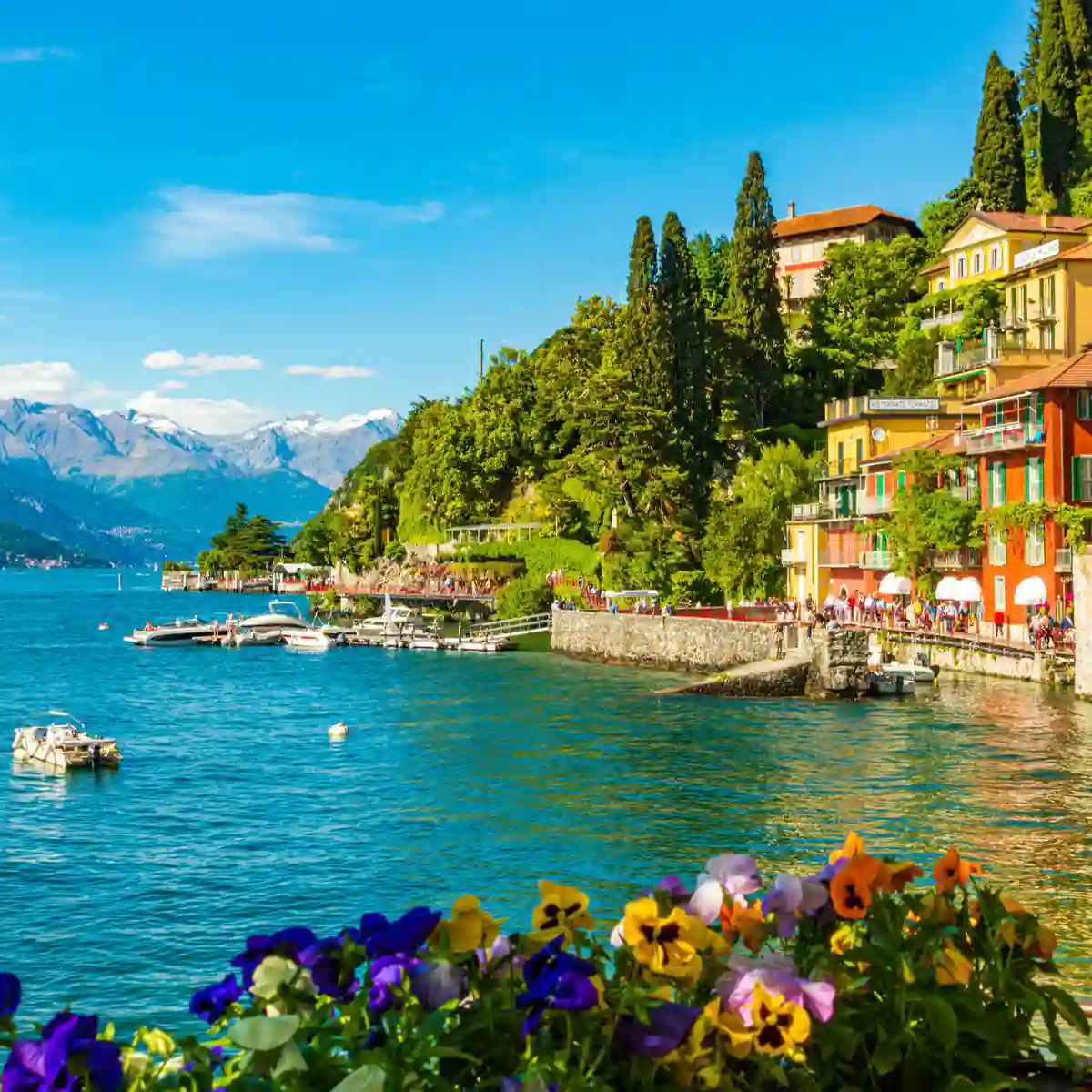
A season-by-season guide to the best time to visit Italy, weighing weather, crowds and prices across cities, coast, Tuscany and the Alps.
Deciding on the best time to visit Italy depends less on a single perfect month and more on what you want from the trip. A country that stretches from Alpine passes to Sicilian beaches simply does not have one climate or one rhythm, and a week that feels ideal on the Amalfi Coast can be very different in Milan or the Dolomites. This season-by-season guide breaks down what to expect from spring, summer, autumn and winter, then weighs the eternal trade-off between good weather, thin crowds and fair prices so you can match the calendar to your own priorities and your chosen regions.
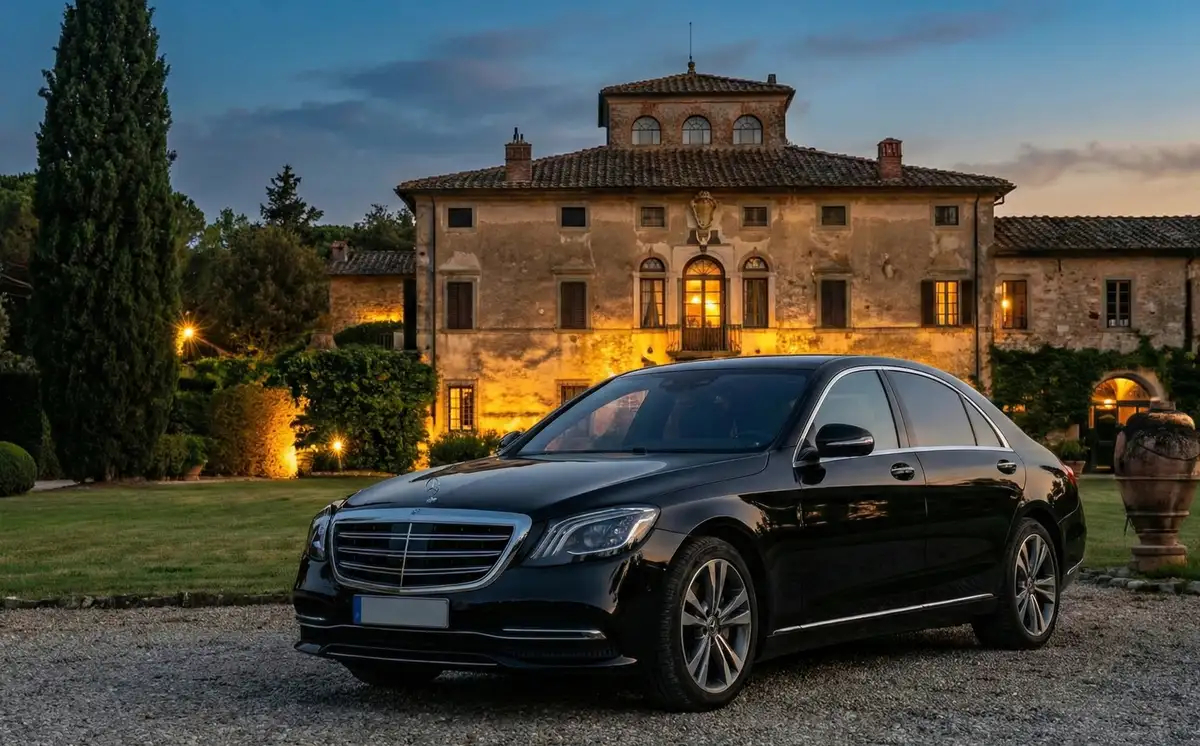
Whatever month you choose, a smooth arrival sets the tone. Skip the taxi queues and let a driver meet you at the terminal with your name on a sign.
Book an airport transfer →Italy's Seasons at a Glance
Before we dig into each season, it helps to see the broad picture side by side. The table below is a general guide only; conditions vary by year and by region, and the far north and deep south can behave quite differently in the same week.
| Season | Typical weather | Crowds | Best for |
|---|---|---|---|
| Spring (Mar–May) | Mild, greening, occasional rain | Building, busy by May | Cities, Tuscany, gardens |
| Summer (Jun–Aug) | Hot, often humid, dry | Peak, heaviest in August | Coast, lakes, mountains |
| Autumn (Sep–Nov) | Warm easing to cool, some rain | Easing after September | Food, wine, sightseeing |
| Winter (Dec–Feb) | Cold north, mild south | Lightest, spikes at holidays | Alps, art cities, value |
Spring: Mild Weather and Reawakening Landscapes
For many travellers spring is the sweet spot, and it is easy to see why. From roughly late March into May the weather is typically mild, the countryside turns green, and the crushing heat of high summer has not yet arrived. Tuscany and Umbria look their best as fields fill with wildflowers, while cities such as Rome and Florence are comfortable for the long days of walking that sightseeing demands.
The catch is that word has spread. Easter is a major travel period across the country, and by May the main art cities can feel as busy as summer, with prices rising to match. Rain remains possible, especially earlier in the season, so pack layers and a light waterproof. If you can travel in the shoulder weeks of late March or early April, you often get the mild conditions without the peak-season squeeze. Spring is also a strong choice for a road-based itinerary, and our guide to the best time to travel around Italy without traffic is worth a read before you set off.
Summer: Long Days, Coastlines and Real Heat
Summer is when Italy is at its most iconic and its most crowded. June through August brings long daylight hours, reliably dry spells and the full swing of the coastal season, from the Amalfi Coast to Sardinia and the Ligurian Riviera. If your dream is beach days, boat trips and warm evenings that stretch past midnight, this is your window.
It comes at a cost. Heat can be intense, particularly in July and August, and inland cities like Rome, Florence and Bologna can feel stifling by midday. August in particular sees many Italians take their own holidays, so some family-run restaurants and shops close while the coast and lakes fill up. Booking well ahead is essential, and prices for accommodation and flights sit at their yearly high. A practical tactic is to front-load sightseeing into the cooler morning hours, retreat during the afternoon, and save the coast for when the cities empty out. If crowds concern you, our look at Italy overtourism in 2026 offers context on where the pressure is heaviest.
Autumn: Harvest Season and Softer Light
Autumn is the season many seasoned Italy travellers quietly prefer. September often holds onto summer warmth while the biggest crowds thin out, and the coast can still be swimmable early in the month. As the weeks pass the light softens, the vineyards of Tuscany, Piedmont and the Veneto move into harvest, and food festivals celebrate everything from grapes to truffles and chestnuts.
This is a wonderful time for a food-and-wine focused trip or a relaxed city break, with hotel rates typically easing from their summer peak once September ends. Weather becomes more changeable heading into November, when rain grows more likely and northern cities cool noticeably, so bring layers and keep plans flexible. For travellers who want warm-toned photographs, gentle temperatures and a more local pace, the stretch from mid-September into October is hard to beat.
Winter: Value, Art Cities and the Alps
Winter splits Italy in two. In the north the Alps and Dolomites come alive for skiing and snow sports from roughly December through March, while the far south and Sicily stay comparatively mild, though still cool and quieter. In between sit the great art cities, and this is where winter delivers its best surprise: Rome, Florence and Venice with a fraction of the summer queues.
Outside the Christmas, New Year and Carnival periods, winter is generally the cheapest and least crowded time to visit, which makes it ideal for museum-heavy trips where you would rather be indoors anyway. Days are short and some coastal resorts effectively shut down, so this is not the season for a beach holiday. But for skiing, for city sightseeing without the scrum, or simply for better value, winter earns its place. Just watch the holiday weeks, when both the mountains and the cities can spike sharply in price and footfall.
Best Time to Visit by Region and Interest
Because Italy is so varied, the smarter question is often not "when should I visit Italy" but "when should I visit this part of it." A few rules of thumb, all of which vary by year:
- Art cities (Rome, Florence, Venice): spring and autumn balance comfortable weather with manageable crowds; winter offers the thinnest queues and best prices.
- The coast (Amalfi, Cinque Terre, Sardinia): June to early September for warm sea and full services, with late May and mid-September as calmer edges.
- Tuscany and wine country: May for green hills and flowers, or September and October for the harvest and softer light.
- The Alps and Dolomites: December to March for skiing; June to September for hiking, wildflowers and mountain lakes.
Matching the season to the region is the single most useful thing you can do when planning. A door-to-door private tour can also stitch several regions together while sidestepping the parts of a season that would otherwise slow you down.
Weighing Crowds, Weather and Prices
Every choice here is a compromise between three things: how pleasant the weather is, how many other visitors you share it with, and how much you pay. High summer maximises daylight and coastal atmosphere but also maximises crowds and cost. Deep winter flips that, trading warmth and buzz for space and value. The shoulder seasons, roughly April to early June and September to October, sit in the middle and are why so many guides point to them as the overall best time to visit Italy for a balanced trip.
If your dates are fixed, lean into what the season does well rather than fighting it: sightsee at dawn in summer, chase the harvest in autumn, book museums in winter. And whenever you arrive, a reliable ground transfer removes one of the most stressful moments of any trip, especially in peak season when taxi ranks are long. Our Rome airport transfer is a popular first step for exactly that reason.
Once you have settled on your season, lock in a driver before the dates fill up. Fixed prices, professional drivers and door-to-door comfort in any weather.
Book your transfer now →Frequently Asked Questions
What is the overall best time to visit Italy?
For most travellers the shoulder seasons, roughly April to early June and September to October, offer the best balance of mild weather, thinner crowds and more reasonable prices. That said, the ideal month really depends on which regions and activities you have in mind.
When is the cheapest time to visit Italy?
Winter, outside the Christmas, New Year and Carnival periods, is typically the cheapest and least crowded time, particularly for the art cities. Flights and hotels are usually at their lowest, though days are short and some coastal areas wind down.
What are the best months to avoid crowds?
Late autumn and mid-winter generally see the fewest visitors, along with the quieter edges of the shoulder seasons such as late March and early November. Peak crowds concentrate around Easter, July and August, and the major holidays.
Is August a good time to visit Italy?
August is great for the coast and lakes but challenging inland, where heat can be intense and many local businesses close for the Italian holiday period. If you visit in August, plan for the sea, book everything early and sightsee in the cooler mornings.
When is the best time to visit Italy for good weather?
Late spring and early autumn typically offer warm, comfortable conditions without the extreme summer heat. Weather varies by year and region, so the mild north and hotter south can feel quite different in the same week.
What is the best time to visit the Amalfi Coast and beaches?
The coastal season runs roughly from June to early September, when the sea is warmest and services are fully open. Late May and mid-September are attractive quieter alternatives if you want warmth with fewer crowds.
When should I go skiing in the Italian Alps?
The Alpine ski season generally runs from December through March, conditions permitting, with snow reliability varying by resort and year. For hiking and mountain lakes instead, aim for June to September.
Is winter a good time to visit Rome, Florence and Venice?
Yes, if you prioritise value and short queues over warm weather. Winter brings the thinnest crowds and lowest prices to the art cities, which suits museum-heavy itineraries, though the holiday weeks are a notable exception.
Frequently Asked Questions
What is the overall best time to visit Italy?+−
When is the cheapest time to visit Italy?+−
What are the best months to avoid crowds?+−
Is August a good time to visit Italy?+−
When is the best time to visit Italy for good weather?+−
What is the best time to visit the Amalfi Coast and beaches?+−
When should I go skiing in the Italian Alps?+−
Is winter a good time to visit Rome, Florence and Venice?+−
Ready to Travel Italy Stress-Free?
Book a professional private taxi or airport transfer anywhere in Italy. Fixed prices, NCC-licensed drivers, meet & greet service — 24/7.

Written by
Italy Taxi Service Team
Expert travel writers sharing firsthand knowledge about transportation, airport transfers, and city navigation across Italy.