Is Italy expensive to visit? Here's a realistic look at what you'll actually pay for hotels, food, attractions, transport and tourist taxes, plus daily budgets.
So, is Italy expensive to visit? The honest answer is: it depends almost entirely on how you travel. Italy can be a budget-friendly country of cheap espresso, affordable trains and free-to-wander piazzas, or it can drain your wallet fast in high-season Venice with waterfront dinners and private transfers. Most travelers land somewhere in the middle. In this guide we walk through what you can realistically expect to pay for accommodation, food, attractions, transport and the city tourist taxes that catch many people off guard. All figures below are rough ranges based on recent seasons, and prices shift with demand, so always confirm current rates before you book.
Skip the airport hassle on day one
Landing tired and jet-lagged is the wrong time to haggle over a fare. Book a fixed-price meet-and-greet transfer and start your trip stress-free.
Book an Airport TransferThe short answer: is Italy expensive?
Italy is broadly comparable to other popular Western European destinations like France or Spain, and often cheaper than the UK, Switzerland or the Nordic countries. It is not a bargain-basement destination, but it rewards travelers who plan a little. The biggest single factor is where and when you go. A summer week in Venice, Capri or the Amalfi Coast can cost double what the same week costs in an inland town in Umbria or a city in the south like Lecce or Bari. As a very rough guide, a careful budget traveler might get by on roughly 70-110 euro per day, a comfortable mid-range trip tends to run around 150-250 euro per day, and luxury travel climbs well beyond that. We break these numbers down further below.
Accommodation: your biggest variable
Lodging is usually the largest line in any Italy budget, and the range is enormous. As of recent seasons you might expect roughly:
- Budget (hostels, guesthouses, simple B&Bs): around 30-70 euro per night, less if you share a dorm or travel off-season.
- Mid-range (three-star hotels, well-reviewed apartments): roughly 90-180 euro per night in most cities.
- Luxury (four- and five-star hotels, boutique stays): 250 euro and up, with famous addresses in Venice, Florence, Rome, Como and the Amalfi Coast running far higher in peak months.
Big tourist cities and coastal hotspots command a premium, especially from June through September. You will often find noticeably better value by staying slightly outside the historic center, visiting in shoulder season (April-May or September-October), or choosing smaller towns over marquee names. Prices vary widely, so treat these as starting points rather than guarantees.
Food and drink: where Italy stays affordable
Here is the good news: eating in Italy does not have to be expensive, and eating well is easy at almost any budget. A cappuccino at the bar is usually only a couple of euro (and cheaper if you drink it standing, as locals do). A slice of pizza al taglio or a panino makes a satisfying lunch for a handful of euro. A casual trattoria dinner with a pasta course, a glass of house wine and water often lands somewhere around 20-35 euro per person, while a multi-course meal at a nicer restaurant can run 50 euro or more before wine.
Two things to watch: the coperto (a small per-person cover charge, often 1.5-4 euro) is normal and appears on most sit-down bills, and touristy squares near major landmarks charge for the view. Walk a few streets away and prices drop while quality frequently improves. Self-catering from markets and supermarkets, or grabbing an aperitivo where a drink comes with snacks, are reliable ways to eat cheaply without missing out.
Attractions and sightseeing
Museum and monument admission adds up if you are ticking off headline sights. Entry to major attractions such as the Colosseum, the Vatican Museums, the Uffizi or Milan's Last Supper typically ranges from roughly 15 to 30 euro each, and some require timed tickets booked well in advance. City passes can pay off if you plan several visits in a short window, but only if you will actually use them.
That said, a great deal of Italy is free. Wandering historic centers, admiring church interiors, people-watching in piazzas, hiking coastal paths and enjoying the architecture cost nothing. Many state museums offer free or reduced entry on certain days, and reduced rates for young people, students and seniors are common, though eligibility rules vary, so check each site's current policy.
Transport and transfers
Getting around Italy is one of the areas where it can feel genuinely affordable. High-speed trains connect major cities quickly, and fares booked ahead can be very reasonable compared with last-minute prices. Regional trains are cheaper and slower. Within cities, single bus or metro tickets are usually only about 1.5-2 euro, and day passes are inexpensive. If you are weighing rail against other options for longer hops, our guide to the cheapest way to travel between Italian cities breaks down the trade-offs.
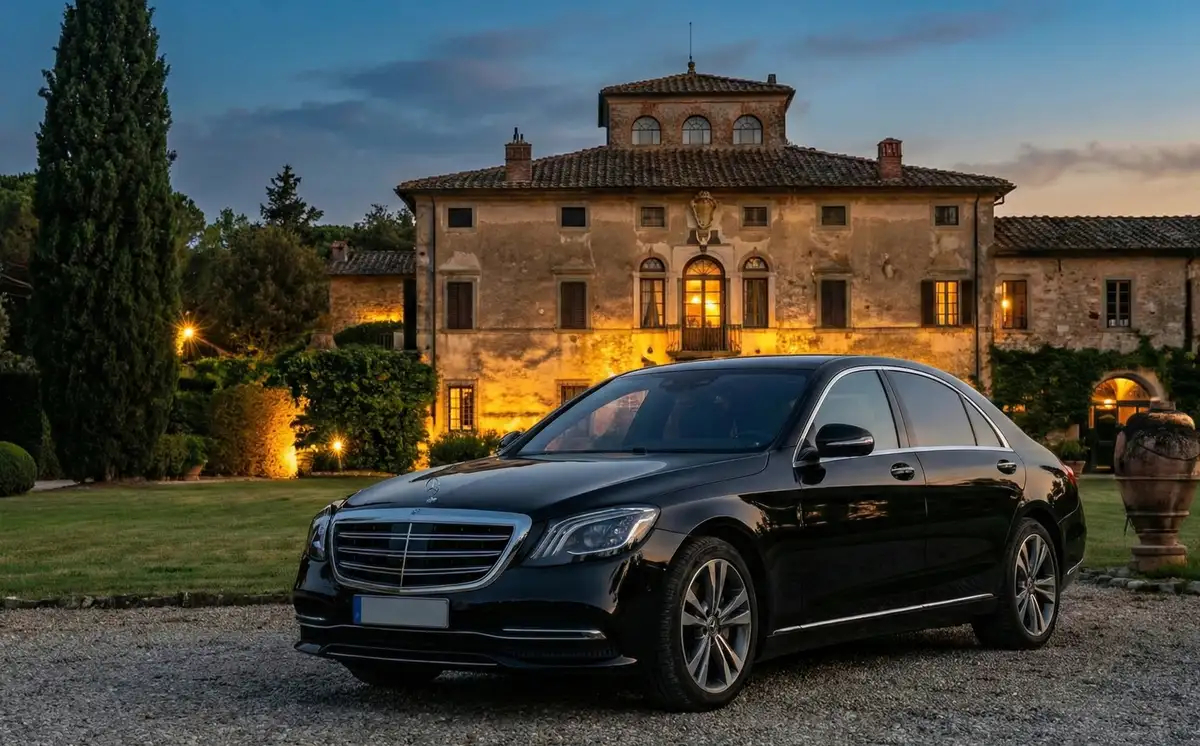
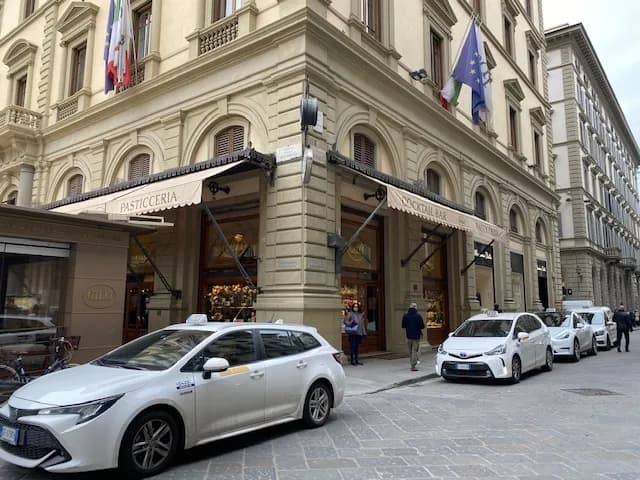
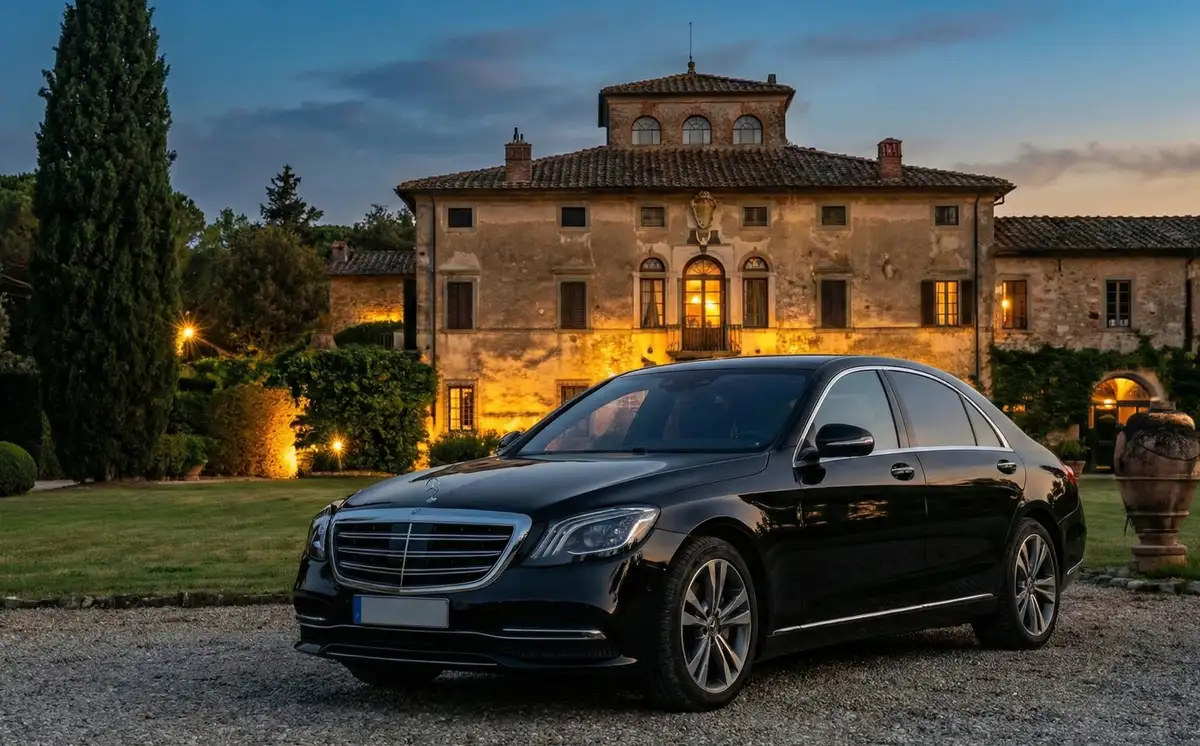
Taxis are metered and more expensive, particularly in traffic or with surcharges for luggage, late hours or holidays. For a sense of what meters actually read, see our overview of average taxi prices in Italy. Where a private car really earns its keep is airport runs and intercity trips with bags or a group, where a fixed price removes the guesswork. Our airport transfer service and city-to-city transfers are designed for exactly those moments. Renting a car makes sense for the countryside, Tuscany or Sicily, but factor in fuel, tolls, parking and the restricted traffic zones (ZTL) that ring many historic centers and carry fines.
City tourist taxes to budget for
One cost that surprises many visitors is the tassa di soggiorno, a per-person, per-night tourist tax charged by most Italian cities on overnight stays. It is usually collected by your accommodation and often is not included in the online booking price, so you may be asked to pay it in cash at check-out. Rates vary by city and by the star rating of your lodging, commonly falling in the range of a couple of euro up to around 5-7 euro per person per night, with some higher-end and high-demand cities charging more. Many cities cap the number of consecutive nights taxed and exempt children below a certain age.
Venice has also introduced a separate access fee for certain day visitors, which is different from the overnight lodging tax. Rules change from year to year, so read our dedicated explainer on the Italy tourist tax for 2026 and confirm the current amount with your host before you arrive.
Sample daily budgets
Pulling it together, here is a rough picture of what a single traveler might spend per day, excluding flights to Italy and the occasional big-ticket splurge. These are illustrative ranges, not fixed prices, and two people sharing a room will lower the per-person accommodation share.
| Category | Budget | Mid-range | Luxury |
|---|---|---|---|
| Accommodation | 30-70 euro | 90-180 euro | 250+ euro |
| Food & drink | 15-25 euro | 35-60 euro | 80+ euro |
| Attractions | 0-15 euro | 15-40 euro | 40+ euro |
| Local transport | 5-10 euro | 10-25 euro | 40+ euro |
| Tourist tax | 2-4 euro | 3-6 euro | 6+ euro |
| Rough daily total | ~70-110 euro | ~150-250 euro | 400+ euro |
As a general rule, the north and the big-name cities and coasts sit at the higher end, while the south and inland regions stretch your euro further. Season matters just as much: the same room can cost far more in August than in November.
Money-saving tips that actually work
- Travel in shoulder season. April, May, September and October offer good weather with lower prices and thinner crowds.
- Book trains early. Advance high-speed fares are often a fraction of the walk-up price.
- Drink coffee at the bar. Sitting down, especially in tourist squares, can multiply the cost of the same espresso.
- Eat where locals eat. Step a few streets back from major landmarks for better food at fairer prices.
- Go south and inland. Regions like Puglia, Umbria and much of the south deliver enormous value.
- Share fixed-price transfers. Splitting an airport or city-to-city transfer among a group is often cheaper and less stressful than juggling luggage on public transport.
- Budget for the tourist tax in cash. It is small but easy to forget at check-out.
Plan where you want to save and where you want to splurge, and Italy becomes remarkably flexible. You can experience the country memorably on a modest budget or indulge freely, and both trips can feel worth every euro.
Lock in a fixed price, no surprises
Whether it's an airport pickup or a ride between cities, a transparent flat rate keeps your travel budget predictable. Reserve your car in a couple of minutes.
Book Your Ride NowFrequently Asked Questions
Is Italy more expensive than other European countries?
Italy is broadly in line with France and Spain and generally cheaper than Switzerland, the UK and Scandinavia. Costs vary hugely within Italy itself, so a national average tells you less than knowing your specific region and season.
How much money do I need per day in Italy?
As a rough guide, budget travelers manage on around 70-110 euro per day, mid-range trips run about 150-250 euro, and luxury travel goes well beyond that. Your accommodation choice and city drive most of the difference.
What is the cheapest region of Italy to visit?
Generally the south and inland areas, such as Puglia, Calabria, Sicily, Umbria and Abruzzo, offer better value than northern cities and famous coastlines like the Amalfi Coast, Cinque Terre or the lakes.
When is the cheapest time to visit Italy?
Off-season, roughly November to March excluding the Christmas and New Year period, tends to be cheapest. Shoulder months like April, May, September and October balance lower prices with pleasant weather.
Do I have to pay a tourist tax in Italy?
Most cities charge a per-person, per-night accommodation tax, often collected in cash at check-out and not included in your booking price. Amounts vary by city and hotel category, so confirm the current rate with your host.
Is food expensive in Italy?
Not necessarily. Coffee, pizza by the slice, panini and casual trattoria meals are affordable, while touristy restaurants near landmarks and higher-end dining cost much more. Watch for the small coperto cover charge on sit-down bills.
Are taxis and transfers expensive in Italy?
Metered taxis can add up with traffic and surcharges, but public transport is cheap and trains are good value when booked early. Fixed-price private transfers often make sense for airports and group trips with luggage.
Can I visit Italy on a tight budget?
Yes. With hostels or shared rooms, market food, advance train tickets, free sights and shoulder-season travel, Italy is very doable on a modest budget without missing what makes it special.
Related reading
Frequently Asked Questions
Is Italy more expensive than other European countries?+−
How much money do I need per day in Italy?+−
What is the cheapest region of Italy to visit?+−
When is the cheapest time to visit Italy?+−
Do I have to pay a tourist tax in Italy?+−
Is food expensive in Italy?+−
Are taxis and transfers expensive in Italy?+−
Can I visit Italy on a tight budget?+−
Ready to Travel Italy Stress-Free?
Book a professional private taxi or airport transfer anywhere in Italy. Fixed prices, NCC-licensed drivers, meet & greet service — 24/7.

Written by
Italy Taxi Service Team
Expert travel writers sharing firsthand knowledge about transportation, airport transfers, and city navigation across Italy.