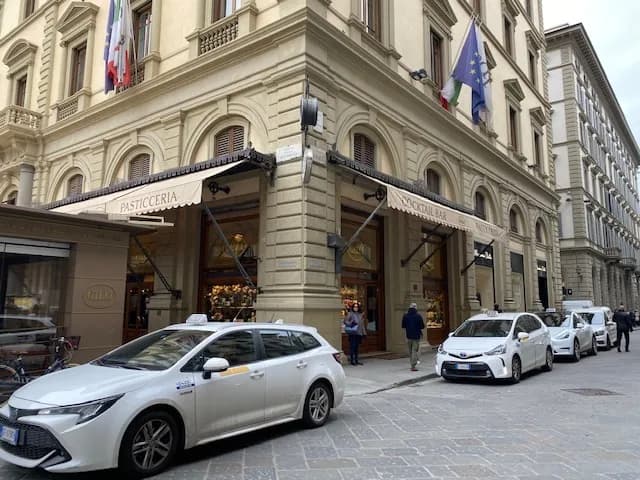
A friendly guide to Italian dining etiquette: meal courses, coperto vs tipping, coffee customs, pasta and cheese habits, and how to ask for the bill.

Understanding italian dining etiquette is one of the quickest ways to feel at home at the table and to eat the way Italians actually eat. None of it is complicated, and none of it is written in stone. Think of these as widely shared customs rather than laws you can break and be arrested for. Italians are famously warm hosts, and no waiter is going to scold a curious visitor. Still, knowing how a meal is structured, what the coperto on your receipt means, when to order a cappuccino, and how to catch the waiter's eye for the bill will make your meals smoother, friendlier, and a lot more enjoyable. This guide walks you through the essentials so you can relax and savour every course.
Taste Italy With a Local by Your Side
Skip the tourist traps and dine where Italians actually eat. Our drivers and guides know the trattorias worth the trip.
Explore Private ToursThe Structure of an Italian Meal
A traditional Italian meal is built in courses, though almost nobody eats every course at every meal. Understanding the sequence helps you read a menu and order sensibly rather than accidentally piling up four plates of food.
- Antipasto — the starter: cured meats, cheeses, marinated vegetables, or bruschetta.
- Primo — the first course, usually pasta, risotto, or soup. This is the carbohydrate course, not the main event.
- Secondo — the second course: meat or fish, often served plain so you appreciate its quality.
- Contorno — a side dish (vegetables or salad) ordered separately and eaten alongside the secondo.
- Dolce — dessert, followed often by fruit, coffee, and sometimes a digestivo like limoncello or grappa.
You are entirely free to order just a primo, or an antipasto and a secondo. Mixing and matching is completely normal, and locals do it all the time depending on their appetite.
When Italians Actually Eat
Meal times in Italy run later than many visitors expect, and kitchens keep their own hours. Lunch (pranzo) is typically served from around 1pm, and many restaurants stop taking lunch orders by mid-afternoon before closing for a break. Dinner (cena) rarely starts before 7:30pm, and in the south it can begin closer to 9pm. If you turn up hungry at 6pm, you may find the kitchen closed or find yourself dining alone among other tourists. Aperitivo, the pre-dinner drink with small snacks, fills the early-evening gap nicely and is a lovely local ritual worth adopting.
The Coperto and Servizio: Not the Same as a Tip
This is the part that confuses visitors most, so it is worth getting right. The coperto is a small per-person cover charge that appears on most receipts. It broadly covers the table setting, bread, and the service of sitting down to eat. It is not a tip, and it is not optional — it is a standard, legitimate line on the bill that you pay regardless of how the meal went.
Some restaurants instead (or additionally) add a servizio, a service charge, usually a percentage of the total. Where a servizio is charged, tipping on top is genuinely not expected. Because service is built into wages and these charges, tipping in Italy is modest and optional rather than obligatory. If you had a lovely meal and no servizio was added, rounding up or leaving a few euros is a kind gesture, but nobody will chase you down for 18 percent. For a fuller breakdown, see our guide to tipping in Italy.
Bread, and Why There's No Butter
Bread (pane) arrives at the table almost automatically, and it is usually part of what the coperto covers. Do not expect a dish of butter alongside it — that is simply not the custom in most of Italy. Bread is there to accompany the meal, to mop up sauce at the end (a beloved move affectionately called fare la scarpetta, "making the little shoe"), and to bridge the courses. Eating bread with olive oil is more of a restaurant-for-tourists idea than an everyday Italian habit, though no one minds if you dip.
Cappuccino, Coffee, and the Unwritten Timing
Coffee customs are where visitors most often get a gentle smile from the barista. The widely held habit is that milky coffees — cappuccino, caffe latte, latte macchiato — belong to the morning, enjoyed with breakfast rather than after a meal. Italians consider a lot of milk after a big lunch or dinner heavy on the stomach. After a meal, the norm is an espresso (simply called un caffe), taken quickly, often standing at the bar.
Is ordering a cappuccino at 3pm forbidden? Absolutely not. You can order whatever you like, and plenty of cafes serve it all day. But if you want to blend in and eat the local rhythm, save the frothy coffee for the morning and finish dinner with an espresso. One more note: a "latte" ordered in Italy will get you a glass of milk, so ask for a caffe latte if coffee is what you want.
Pasta and Cheese Customs
A few pasta habits are worth knowing. Pasta is eaten with a fork, twirled against the plate — using a spoon to help is seen as something children do, though again, nobody is checking. Cutting long pasta with a knife is generally avoided. Bread is not usually eaten with the pasta but saved for the scarpetta at the end.
The cheese custom trips up many well-meaning diners. Grated cheese such as Parmigiano is a wonderful match for many pasta dishes, but it is traditionally not added to seafood pasta — Italians feel the cheese overwhelms the delicate fish and shellfish. In much of the country you will find no cheese offered with a plate of spaghetti alle vongole, and that is by design rather than oversight. Follow the kitchen's lead: if grated cheese is brought to the table, it suits the dish; if it isn't, the chef intended it that way. If you are curious about the dishes behind these customs, our Rome food guide is a tasty place to start.
Reservations, Table Manners, and Getting the Bill
For dinner, especially at popular spots and on weekends, a reservation (prenotazione) is wise and often expected. A quick call or online booking saves you standing at the door hoping for a table.
At the table, keep both hands (or wrists) visible above the table rather than in your lap, wait for a shared buon appetito before starting, and pace yourself — meals are meant to be lingered over, not rushed. Conversation is the main course as much as the food.
When it comes to the bill, here is the big cultural difference: your waiter will almost never bring it unprompted. Bringing the check early would be rude, as if hurrying you out. When you are ready, you ask for it — catch the waiter's eye and say "Il conto, per favore" or make a small writing gesture in the air. Splitting the bill precisely item by item is uncommon; Italians tend to divide it evenly or one person treats the group. It is a relaxed, generous approach to ending a meal.
Do and Don't at the Italian Table
| Do | Don't |
|---|---|
| Eat dinner from around 7:30pm or later | Expect a full dinner service at 6pm |
| Understand the coperto is a cover charge | Mistake the coperto for a tip you can skip |
| Finish a meal with an espresso | Order a cappuccino after dinner (if blending in) |
| Twirl pasta with a fork | Add grated cheese to seafood pasta |
| Ask for the bill when you're ready | Wait for the waiter to bring it unprompted |
Arrive Relaxed and Ready to Dine
Let us handle the transfers so you can focus on the food. Comfortable, reliable rides to and from Italy's best tables.
Book Your RideFrequently Asked Questions
Is the coperto a tip?
No. The coperto is a small per-person cover charge for the table setting, bread, and service of sitting down. It is a standard line on most receipts and is separate from any tip you might choose to leave.
Do I need to tip at restaurants in Italy?
Tipping is modest and optional. If a servizio (service charge) is on the bill, no extra tip is expected. Otherwise, rounding up or leaving a few euros for great service is a kind gesture but never obligatory.
Can I really not order a cappuccino after lunch?
You can order it anytime — cafes will happily serve you. It is simply a custom that Italians reserve milky coffee for the morning and finish meals with an espresso. Blending in is optional, not required.
Why is there no butter with the bread?
Butter with bread is not part of most Italian dining customs. Bread accompanies the meal and is used to mop up sauce at the end. You will rarely be offered butter, and that is normal.
Why won't the waiter bring me the bill?
Bringing the bill unprompted is considered rushing you out. When you are ready, ask for it with "Il conto, per favore" or a small writing gesture. The waiter is being polite, not forgetting you.
Should I order every course?
Not at all. Ordering just a primo, or an antipasto and a secondo, is completely normal. Italians mix and match courses based on their appetite, and no one expects you to eat the full sequence.
Do I need a reservation for dinner?
For popular restaurants, especially on weekends, a reservation is wise and often expected. A quick call or online booking helps you avoid waiting and secures your table.
Why can't I have cheese on seafood pasta?
It is a strong culinary custom rather than a rule. Italians feel grated cheese overwhelms delicate fish and shellfish, so it is traditionally left off seafood pasta. Follow the kitchen's lead on what is offered.
Keep Exploring
Related Guides & Services
Frequently Asked Questions
Is the coperto a tip?+−
Do I need to tip at restaurants in Italy?+−
Can I really not order a cappuccino after lunch?+−
Why is there no butter with the bread?+−
Why won't the waiter bring me the bill?+−
Should I order every course?+−
Do I need a reservation for dinner?+−
Why can't I have cheese on seafood pasta?+−
Ready to Travel Italy Stress-Free?
Book a professional private taxi or airport transfer anywhere in Italy. Fixed prices, NCC-licensed drivers, meet & greet service — 24/7.

Written by
Italy Taxi Service Team
Expert travel writers sharing firsthand knowledge about transportation, airport transfers, and city navigation across Italy.