Is tipping expected in Italy? A clear, honest guide to coperto, servizio, restaurants, bars, hotels, guides, drivers and taxis — with a handy amounts table.
Understanding tipping in Italy is one of those small details that can make you feel far more confident as a traveller. The short version is reassuring: tipping in Italy is modest, appreciated but never obligatory, and nothing like the 15–20% expectation many visitors are used to at home. Italians themselves tip lightly, often just rounding up the bill or leaving a euro or two for good service. In this guide we explain exactly what the coperto and servizio charges on your restaurant bill mean, whether to add anything on top, and what is customary for bars, hotels, guides, spas, taxis and private drivers — so you can relax and enjoy Italy without second-guessing your wallet.
Travelling with a private guide or driver? Gratuities are always at your discretion — our transparent, all-inclusive pricing means there are no hidden service charges to worry about.
Explore Our Private Tours →The Short Answer: Is Tipping Expected in Italy?
No — tipping is not expected in Italy the way it is in the United States, Canada or parts of the UK. Service staff in Italy are paid a regular wage and do not rely on tips to make a living, so there is never any obligation and you will not be chased down the street for leaving nothing. That said, a small tip for genuinely good service is always welcomed. The Italian approach is best summed up as "round up and leave a little." If a coffee costs €1.10 you might leave the €0.10 change; if a lovely dinner comes to €47 you might leave €50. These gestures are about appreciation, not calculation. Nobody in Italy expects you to reach for a calculator, and over-tipping can even feel a little awkward.
Restaurants: Understanding Coperto and Servizio
This is where most visitors get confused, so it is worth explaining carefully. Many Italian restaurants add a coperto — a fixed "cover charge" of roughly €1.50 to €3.50 per person. The coperto is not a tip. It covers your table setting, bread and the basic service of sitting down to eat, and it is charged whether service is good or not. It should be clearly stated on the menu, usually near the bottom.
Separately, some restaurants — particularly in tourist-heavy areas or for larger groups — add a servizio (service charge) of around 10–15%. If you see servizio on your bill, the service has effectively already been included, and there is no need to add anything further. If there is no servizio and the meal was enjoyable, leaving a few euros or rounding up to the nearest convenient amount is a kind gesture — but even 5% would be considered generous. Always glance at your conto (bill) so you know which charges apply before deciding.
Bars and Cafés
In Italian bars and cafés, tipping is very light and often skipped entirely by locals. If you stand at the counter for an espresso — the classic Italian way — you might simply leave the small coins from your change in the little dish by the till, or nothing at all. There is no expectation. Note that many bars charge more for table service (servizio al tavolo) than for standing at the bar, and this price difference already accounts for the extra service, so no additional tip is needed. If a bartender mixes you an excellent cocktail in the evening, rounding up or leaving a euro is a friendly touch, but never required.
Hotels: Porters, Housekeeping and Concierge
Hotels are one area where small tips are more customary, especially in mid-range and luxury properties. For a porter who carries your bags, €1 to €2 per bag is a normal gesture. For housekeeping, leaving €1 to €2 per night — placed visibly, perhaps on the pillow or bedside table — is appreciated but entirely optional, and many travellers leave it at the end of their stay. A concierge who goes out of their way to secure a hard-to-get restaurant reservation or theatre tickets might receive €5 to €10, though there is no fixed rule. At budget hotels and B&Bs, tipping is far less common and nobody will expect it.
Tour Guides, Private Drivers and Spas
For a tour guide who has given you an engaging half- or full-day experience, a tip is a genuine reflection of your appreciation. As a rough guide, €5 to €10 per person for a group tour, or a little more for a private guide who has tailored the day to you, is well received — but always at your discretion and only when you feel the service warranted it.
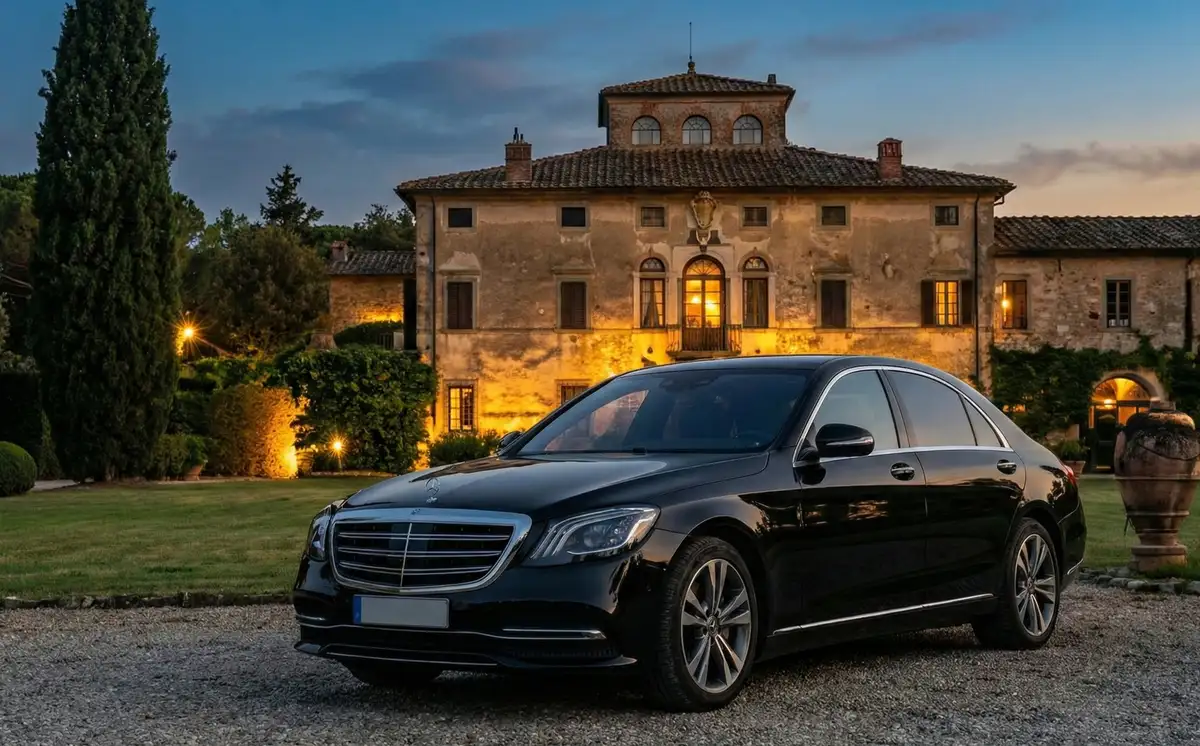
For a private driver on a full-day tour or transfer, many travellers round up the fare or offer €5 to €10 for a smooth, safe and helpful journey. With a reputable company such as ours, the quoted price is complete and all-inclusive, so any gratuity is purely a bonus for the driver and never assumed. For spa and wellness staff, tipping is uncommon in Italy; if a treatment was exceptional you might leave a few euros, but the service is typically considered included in the price.
Skip the guesswork on fares and gratuities. Book a professional English-speaking driver at a clear, all-inclusive price for airports, cities and day trips across Italy.
Book Your Private Transfer →Taxis and Airport Transfers
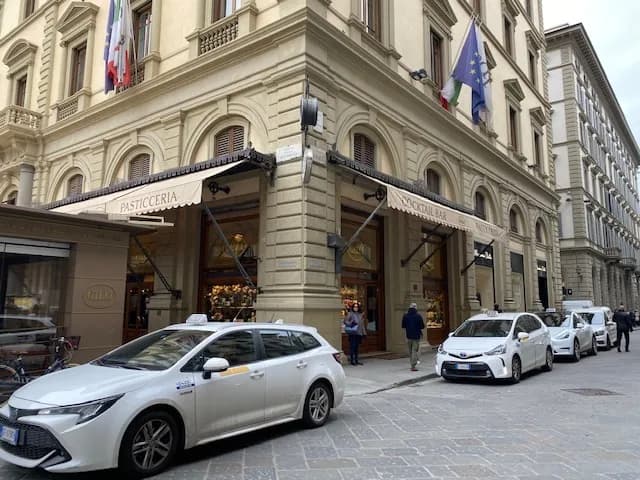
For metered taxis in Italy, tipping is not expected — the standard practice is simply to round up to the nearest convenient euro. If your fare is €18.40, handing over €20 and saying "keep the change" (tenga pure il resto) is perfectly normal and generous enough. There is no percentage to calculate. Drivers who help with heavy luggage or navigate a tricky route may appreciate a slightly larger round-up, but it remains entirely optional. For pre-booked airport transfers and private hire, the price is agreed in advance, so any tip is a small extra for good service rather than an expectation. We cover this topic in more depth in our dedicated guide on tipping taxi drivers in Italy, and you can arrange a fixed-price ride through our airport transfers service.
How to Tip: Etiquette and Practical Tips
A few small pointers will help you tip like a local. First, tip in cash wherever possible. Italian card machines rarely offer a tip line, and even when a bill is paid by card, a cash gratuity left on the table goes more directly to the staff. Keep a few coins and small notes handy for this reason. Second, hand tips directly to the person where you can — to your guide, driver or porter — rather than leaving them impersonally. Third, never feel pressured: if service was poor, leaving nothing beyond any coperto is completely acceptable and carries no stigma. Finally, remember that a warm grazie and a genuine compliment about the meal or the day are valued just as much as coins in Italy. Tipping here is a small courtesy layered on top of fair wages — a gesture of thanks, not a mandatory transaction.
Tipping in Italy at a Glance
| Situation | Is a Tip Expected? | Suggested Amount |
|---|---|---|
| Restaurant (with servizio on bill) | No | Nothing extra needed |
| Restaurant (no service charge) | Optional | Round up or a few euros |
| Coperto (cover charge) | Fixed, not a tip | ~€1.50–€3.50 per person |
| Bar / café espresso | No | Leave small change, or nothing |
| Hotel porter | Customary | €1–€2 per bag |
| Hotel housekeeping | Optional | €1–€2 per night |
| Tour guide | Appreciated | €5–€10 per person |
| Private driver | Optional | Round up or €5–€10 |
| Metered taxi | No | Round up to nearest euro |
| Spa / wellness | Uncommon | A few euros if exceptional |
Frequently Asked Questions
Is tipping mandatory in Italy?
No. Tipping is never mandatory in Italy. Service staff earn a regular wage, so tips are a small token of appreciation for good service rather than an expected part of their income. Leaving nothing beyond any listed charges is perfectly acceptable.
What is the coperto and do I have to pay it?
The coperto is a fixed cover charge, typically €1.50–€3.50 per person, covering your table setting and bread. It is not a tip and it is a legitimate, listed charge that you do pay. It should be shown clearly on the menu.
If servizio is on my bill, should I still tip?
No, there is no need. When a servizio (service charge) of around 10–15% appears on your bill, the service is already included. You are welcome to round up if the service was outstanding, but nothing further is expected.
How much should I tip in an Italian restaurant?
If no service charge is included and you enjoyed the meal, rounding up or leaving a few euros is a kind gesture. Even 5% is considered generous. There is no need to add the 15–20% common in some other countries.
Do I tip taxi drivers in Italy?
Tipping taxi drivers is not expected — simply round the fare up to the nearest euro. If a driver helps with heavy luggage you might round up a little more, but it remains entirely optional. See our dedicated taxi tipping guide for detail.
Should I tip my private tour guide or driver?
A tip is a nice way to thank a guide or driver for excellent service, but it is always at your discretion. Around €5–€10 per person is typical for a great experience. Our tour and transfer prices are all-inclusive, so gratuities are never assumed.
Is it better to tip in cash or by card in Italy?
Cash is best. Italian card machines rarely include a tip option, and cash left on the table or handed directly to staff reaches them more reliably. Keep a few coins and small notes on hand.
Do Italians themselves tip?
Yes, but lightly. Locals typically round up the bill or leave small change for good service rather than calculating a percentage. Following the same modest approach means you will fit right in.
Frequently Asked Questions
Is tipping mandatory in Italy?+−
What is the coperto and do I have to pay it?+−
If servizio is on my bill, should I still tip?+−
How much should I tip in an Italian restaurant?+−
Do I tip taxi drivers in Italy?+−
Should I tip my private tour guide or driver?+−
Is it better to tip in cash or by card in Italy?+−
Do Italians themselves tip?+−
Ready to Travel Italy Stress-Free?
Book a professional private taxi or airport transfer anywhere in Italy. Fixed prices, NCC-licensed drivers, meet & greet service — 24/7.

Written by
Italy Taxi Service Team
Expert travel writers sharing firsthand knowledge about transportation, airport transfers, and city navigation across Italy.