Renting a car in Italy is brilliant in the countryside and painful in the cities. Here is what to sort out before you book: the International Driving Permit question, credit card and age rules, automatic scarcity, ZTL cameras, autostrada tolls, parking line colours, and when a train or private driver simply wins.
Renting a car in Italy is worth it for the countryside and a mistake for the big cities. Sort out four things before booking: whether your licence needs an International Driving Permit, a credit card in the main driver's name, an automatic if you cannot drive manual, and a plan for ZTL zones.
Everything else is detail — but the details are where the money goes. Below is what actually catches people out.
Your licence, the IDP question, and age
An EU licence works in Italy as-is. If your licence was issued outside the EU, you are generally expected to carry an International Driving Permit alongside it — not instead of it. The IDP is a standardised translation booklet with no validity on its own, so the original licence travels with it at all times.
Rules vary by issuing country and change over time, so check with your rental company and your licence's issuing authority before you fly. The IDP is usually issued by a motoring association at home and cannot normally be obtained once you are in Italy — exactly the problem people discover at the desk.
- EU licence: drive as normal, no extra document.
- Non-EU licence: assume you need an IDP; confirm with the rental company in writing.
- Age: most companies set a minimum age and add a young-driver surcharge below a certain age; some also apply restrictions to older drivers.
- Licence held for: many companies require a minimum period since issue.
The desk agent is not being difficult when they refuse a booking over a missing IDP. If their policy requires the document and you do not have it, the reservation is usually forfeited.
The credit card and the deposit
This is the most common reason a confirmed booking collapses at the counter. Rental companies normally require a physical credit card in the main driver's name, with enough available limit to hold a security deposit. Debit cards, prepaid cards, and cards in a partner's name are frequently refused, and a card that works fine for hotels is not automatically accepted here.
The deposit is a hold, not a charge — blocked on your card for the rental period, then released. Release timing depends on your bank, not the rental company. If your available credit is tight from flights and hotels already on the card, raise the limit or bring a second card in the same name.
Manual versus automatic: book early or don't book
Italy is a manual-transmission country. Automatics are a minority of the fleet, cost more, and run out in high season. If you cannot confidently drive a manual, an automatic is not a preference but a requirement — lock it in months ahead rather than hoping on arrival.
Italian hill towns also mean steep, narrow, cobbled approaches with hill starts behind a queue of cars. A driver who is merely "okay" with a clutch in flat home traffic has a genuinely bad time in Orvieto or Positano.
Size matters too. The instinct is to book big for luggage; medieval streets and country lanes reward the smallest car your bags fit into. With more people or luggage than a compact takes, a private transfer is often the better answer for part of the itinerary.
ZTL zones: the fine that arrives months later
Most Italian historic centres are ZTL — zona a traffico limitata, which only authorised vehicles may enter during posted hours. Enforcement is automatic: cameras photograph the plate of every car crossing the line. No barrier, no officer, no warning. You drive in, nothing happens, and you carry on with your holiday.
What happens next is why ZTLs have such a reputation. The infringement is registered against the plate, the authority contacts the rental company, and the company identifies you as the driver — charging an administration fee for doing so. The fine follows separately. Because that chain takes time, notices commonly arrive long after the trip ends. Multiple entries mean multiple fines and admin fees.
- Assume the historic centre is a ZTL unless confirmed otherwise. Signs are white circles with a red border and a ZTL panel listing active hours.
- Hotel access is not automatic. Some hotels can register your plate with the local authority, but this must be arranged in advance — asking at check-in is often too late.
- Do not trust satnav. It will happily route you straight through a ZTL.
- Park outside and walk in. Most ZTL towns have car parks just outside the boundary. This is the intended behaviour and it works.
The takeaway: a rental car is for the roads between towns, not the middle.
Autostrada tolls and the Telepass trap
Italian motorways are largely toll roads. You collect a ticket at the entry barrier and pay at the exit based on distance travelled. Lose the ticket and you will be charged on a worst-case assumption, so keep it in the door pocket, not a jacket you might take off.
Exit lanes are colour-coded and choosing wrong is the classic tourist moment. Telepass lanes are for subscribers with an electronic device fitted to the car. Enter one without a device and the barrier does not lift, there is nowhere to reverse, and you are stuck in front of a queue of unimpressed commuters. Read the overhead signage early.
- Yellow Telepass sign: subscribers only, unless your rental includes a device.
- Cash and card lanes: marked with banknote and card symbols. These are yours.
- Ask at pickup whether the car has a Telepass and how it is billed.
- Not every motorway is tolled, and many toll-free regional roads are far more scenic.
Parking colours and the fuel station rules
Parking is colour-coded by the lines painted on the road, consistently nationwide. Learn it once and it works everywhere.
| Line colour | What it means | What to do |
|---|---|---|
| Blue | Paid parking | Pay at the nearby meter and display the ticket on the dashboard |
| White | Generally free parking | Check for signs — free spaces can still have time limits or resident rules |
| Yellow | Reserved | Do not park. Residents, disabled permits, loading, buses or taxis |
Fuel stations have two modes at different rates. Fai da te is self-service and cheaper; servito is attended and costs more per litre. Many stations are unstaffed at night and switch to a machine taking cards or notes — some are fussy about foreign cards, so do not run the tank down to nothing on a Sunday evening in the countryside.
Confirm the fuel type before your first fill: diesel (gasolio) and petrol (benzina) are expensive to mix up, and misfuelling is not covered by any insurance you bought.
Insurance, excess and the walk-around
Basic cover comes with the car, but it carries an excess — the amount you are liable for before cover starts. The desk will offer to reduce or remove it, and this is where the upsell happens. Three routes: the rental company's excess reduction, a third-party excess policy, or credit card cover. The last two are cheaper but you pay the damage up front and claim it back.
Whatever you choose, do the walk-around properly. Photograph every panel, the bumpers, wheels, windscreen and roof before leaving the bay — and again on return. Scuffed rims are the most disputed item at drop-off, and five minutes with a phone camera is the best insurance available.
When renting is the right call — and when it isn't
Be honest about your itinerary rather than defaulting to a car out of habit. The rule of thumb: a car is freedom in the countryside and a liability in the city.
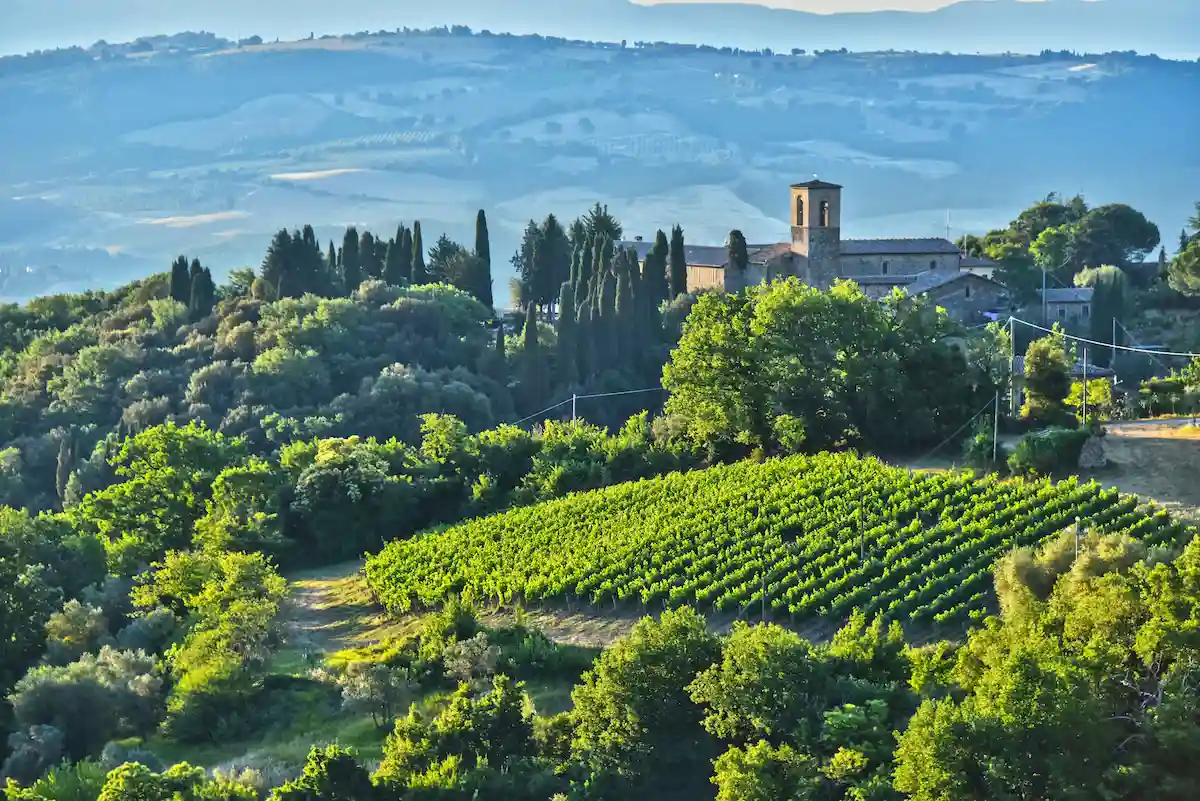
Rent when you are staying in rural Tuscany, Umbria, Puglia or inland Sicily; when your accommodation is an agriturismo down a gravel road; when public transport is thin and timed for schoolchildren rather than tourists.
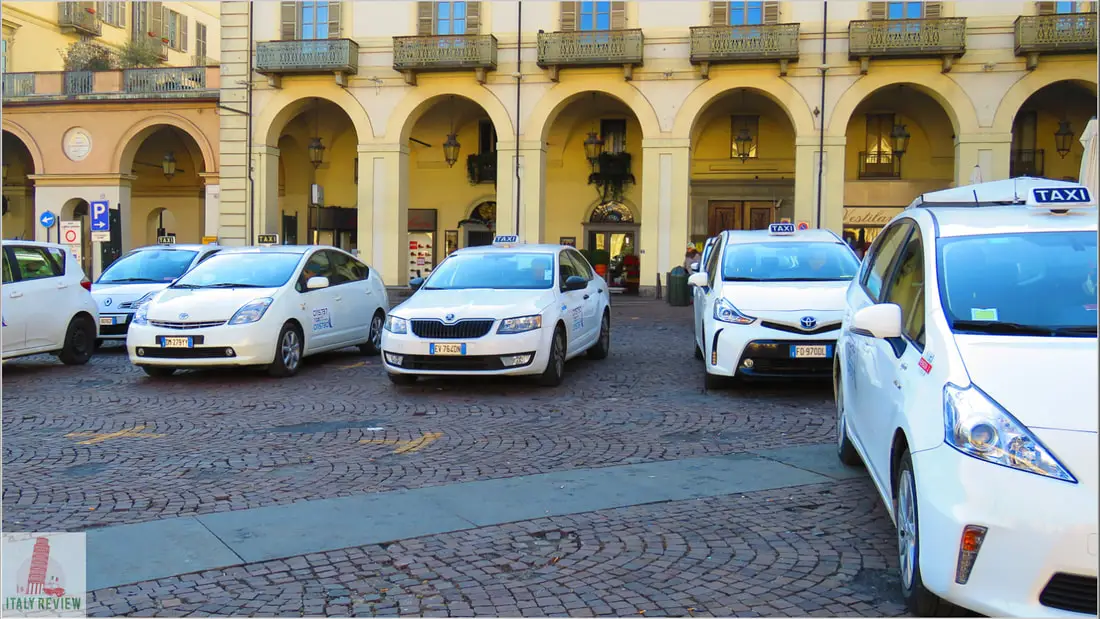
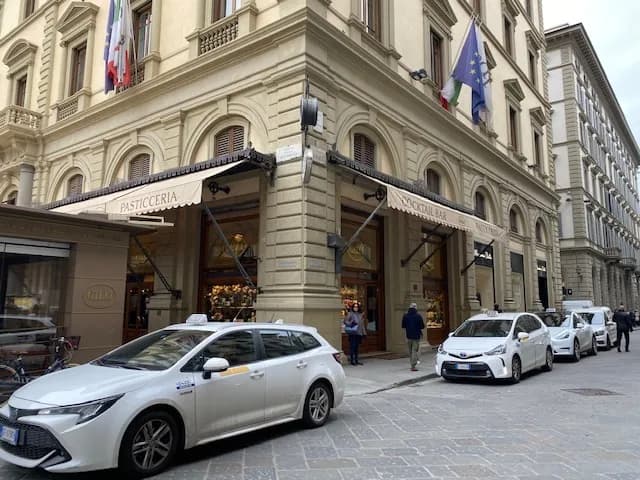
Do not rent when your trip is Rome, Florence, Venice and Naples. Venice has no roads. Rome and Florence are ZTL-ringed with expensive parking. Naples driving is a skill you do not acquire on holiday. Those cities are linked by fast trains that beat driving centre to centre once you count parking.
| Situation | Best option | Why |
|---|---|---|
| Rome to Florence to Venice | Train | City centre to city centre, no parking, no ZTL, no tolls |
| Airport to hotel with luggage | Private transfer | Fixed price, no ZTL risk, someone else parks |
| A week in the Tuscan hills | Rental car | Freedom to roam; nothing else reaches the villages |
| Wine day with tastings | Private driver | You are drinking. This one is not a preference |
| Amalfi Coast | Private driver | Narrow, busy, nowhere to park, and you want to look at the view |
The best answer is often a hybrid: train between the big cities, a car only for the rural stretch, and a private driver for airport runs, wine days and the Amalfi Coast. You are not obliged to pick one mode for the whole trip — our coverage areas page shows where a driver works as a supplement rather than a replacement.
Frequently Asked Questions
Do I need an International Driving Permit to rent a car in Italy?
If your licence was issued outside the EU, assume yes and carry the IDP alongside your original licence, since it is not valid on its own. EU licence holders do not need one. Requirements vary by issuing country, so confirm with your rental company and your licence's issuing authority before you travel.
Can I rent a car in Italy with a debit card?
Usually not. Most companies require a physical credit card in the main driver's name with enough available limit to hold the security deposit. Some branches make exceptions with extra conditions, but never assume — check your booking's terms before you fly.
What happens if I accidentally drive into a ZTL?
The camera photographs your plate and the fine is issued against the vehicle. The authority contacts the rental company, which passes on your details and charges an administration fee, so notices often arrive months later. Each separate entry can generate its own fine, so do not drive back out through the same gate.
Are automatic cars easy to find in Italy?
No — automatics are a minority of the Italian fleet, cost more, and sell out in high season. If you cannot drive a manual, book one as far in advance as you can and treat it as non-negotiable. Turning up hoping to swap at the desk rarely works.
Is it worth renting a car if I'm only visiting Rome, Florence and Venice?
No. Those three are linked by fast trains that beat driving once you count parking, and all have ZTL zones that make a car a liability. Use trains between the cities and a private transfer for airport runs — see our FAQ or the blog for route-by-route advice.
Frequently Asked Questions
Do I need an International Driving Permit to rent a car in Italy?+−
Can I rent a car in Italy with a debit card?+−
What happens if I accidentally drive into a ZTL?+−
Are automatic cars easy to find in Italy?+−
Is it worth renting a car if I'm only visiting Rome, Florence and Venice?+−
Ready to Travel Italy Stress-Free?
Book a professional private taxi or airport transfer anywhere in Italy. Fixed prices, NCC-licensed drivers, meet & greet service — 24/7.

Written by
Italy Taxi Service Team
Expert travel writers sharing firsthand knowledge about transportation, airport transfers, and city navigation across Italy.