A neighbourhood guide to where to stay in Rome, from Centro Storico and Trastevere to Prati, Monti, Testaccio and near Termini, with pros, cons and transport tips.
Deciding where to stay in Rome shapes your entire trip, because the right neighbourhood puts the sights, the food and the atmosphere you came for right on your doorstep. Rome is a city of villages, each with its own character: some are grand and central, others quiet and local, a few lively late into the night. This guide walks through the areas most visitors consider, from the postcard streets of the Centro Storico to the leafy calm of the Aventine, so you can match a district to your budget, your pace and the kind of holiday you want. We will cover who each area suits, the trade-offs, safety and how easy it is to get around from each base.
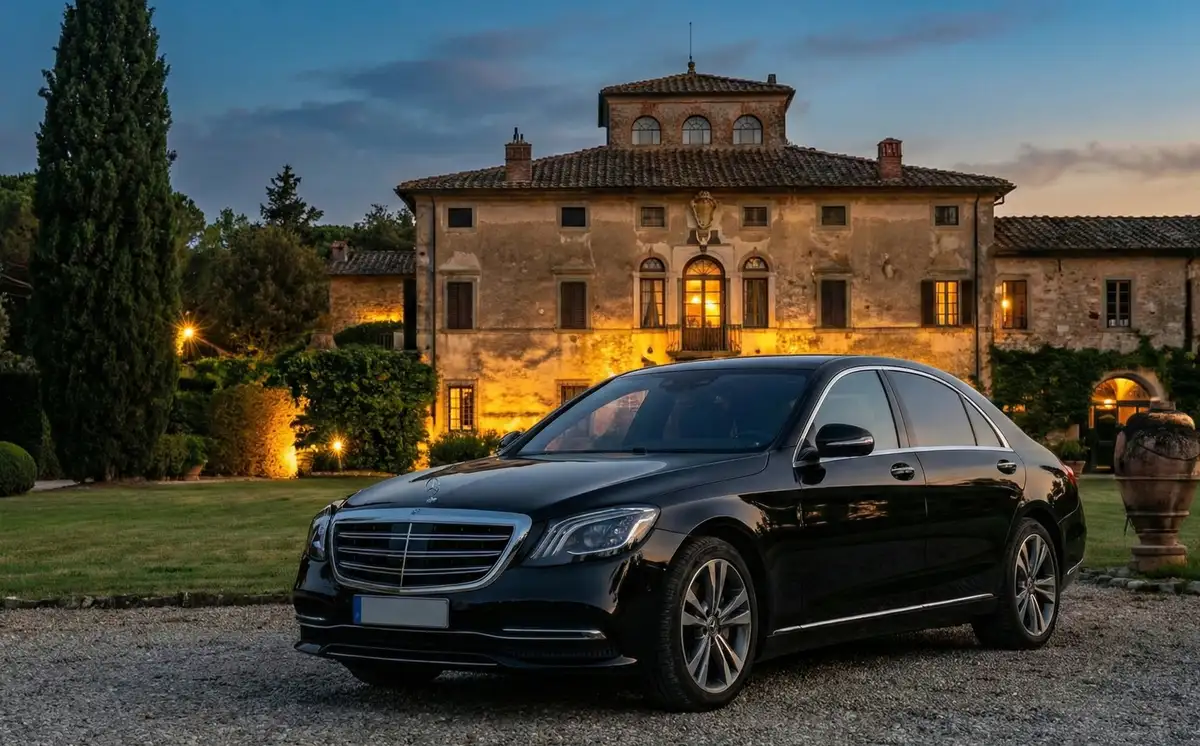
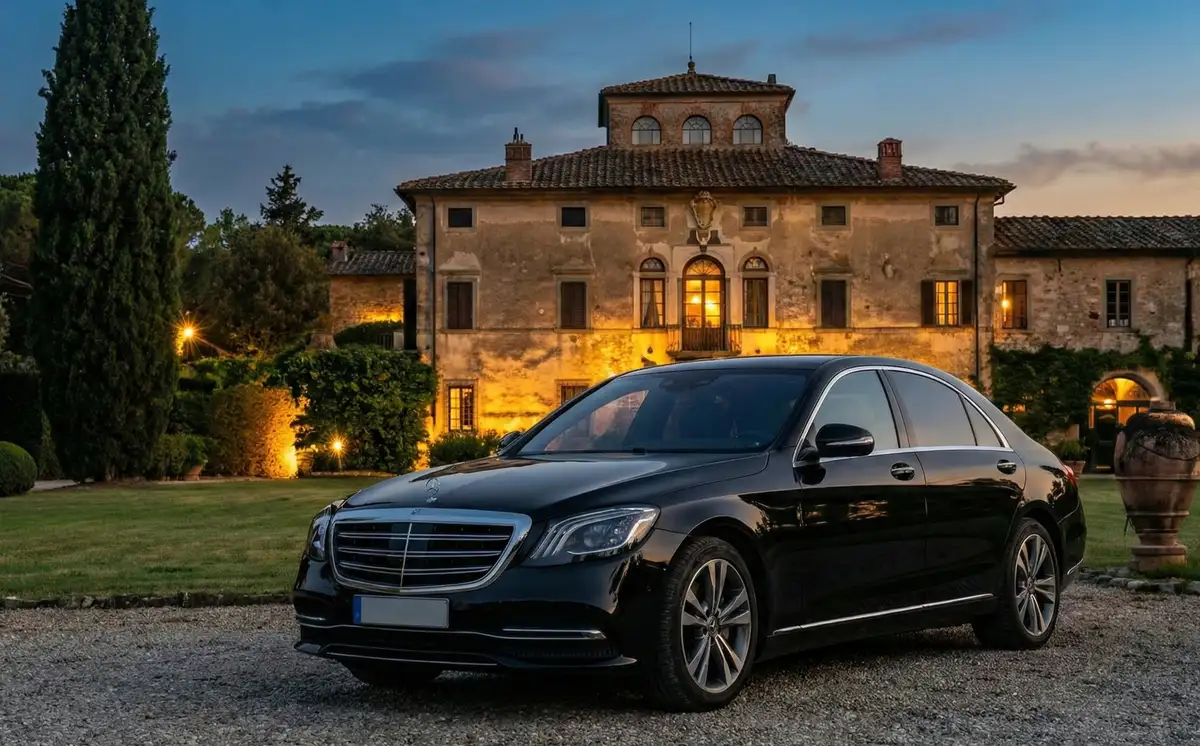
Whichever neighbourhood you choose, arriving is easiest with a door-to-door ride. Skip the taxi rank and let a licensed driver take you straight to your hotel.
Book a Hotel Transfer →Centro Storico (Pantheon and Piazza Navona)
The historic centre is the Rome of your imagination: the Pantheon, Piazza Navona, the Trevi Fountain and a maze of honey-coloured lanes that open onto fountains and cafes. Staying here means you can walk out of your hotel and be at a landmark within minutes, and the evenings are magical once the day-trippers thin out. It suits first-time visitors, romantics and anyone who wants to be in the thick of it.
The trade-offs are price and noise. This is one of the most expensive parts of the city, rooms tend to be small, and popular piazzas can be busy well into the night. There is no metro station in the heart of the centre, so you rely on your feet, buses and taxis. It is very safe, though as anywhere crowded you should watch for pickpockets around the big fountains.
Monti
Tucked between the Colosseum and Termini, Monti is the city's oldest neighbourhood turned effortlessly cool. Cobbled lanes are lined with vintage boutiques, wine bars and small trattorias, and locals fill its little piazzas in the evening. It is walkable to ancient Rome yet feels lived-in rather than touristy, making it a favourite for return visitors and travellers who want atmosphere without the Centro Storico price tag.
Monti is well placed for transport, with Cavour metro station on Line B and Termini a short walk away for onward trains. It suits couples, foodies and anyone who values a genuine neighbourhood feel. The main downside is that its popularity has pushed prices up, and the most charming streets can get lively at weekends. It is a comfortable, safe area to wander after dark.
Trastevere
Across the river, Trastevere is Rome at its most romantic and bohemian: ivy-draped facades, medieval alleys and a dining scene that spills out onto the cobbles every evening. Days are sleepy and photogenic, nights are buzzing, and the Basilica di Santa Maria anchors a square that has been a gathering place for centuries. It is ideal for food lovers, younger travellers and anyone who prioritises character over convenience.
Because it sits away from the metro, getting around leans on trams, buses and walking, and the nightlife means some streets stay noisy late. If you want a quieter room, look toward the western, residential edge near the Gianicolo hill. Trastevere is welcoming and safe, though busy weekend nights call for the usual care with valuables in crowds.
Near the Vatican and Prati
Prati, the elegant grid of streets beside the Vatican, is one of Rome's most underrated bases. It is orderly, upscale and residential, with wide boulevards, excellent food shops and some of the best-value dining in the city. You are steps from St Peter's and the Vatican Museums, yet the area itself feels calm and local, a welcome contrast to the crush around the basilica.
Prati has strong transport links, with Ottaviano and Lepanto stations on metro Line A connecting you to the Spanish Steps and Termini. It suits families, first-timers keen on the Vatican, and anyone who likes a bit of breathing room. The main sights of ancient Rome are a metro ride rather than a stroll away, but that is a fair swap for the space and quiet. It is a very safe, comfortable neighbourhood. If you are torn between this side of the river and the station district, our guide on whether to stay near Termini or the Vatican breaks down the choice in detail.
Near Termini
The area around Termini, Rome's main railway station, is the practical choice. It offers the widest range of hotels at every price point, and it is the city's transport hub: both metro lines meet here, along with trains to the airports and the wider country. If you plan day trips, arrive late or leave early, or simply want the cheapest central beds, Termini is hard to beat for convenience.
Character is where it falls short. The immediate station surroundings are functional rather than pretty, and while the district has improved a great deal, the blocks right by the station can feel less polished after dark, so it pays to keep your wits about you as you would around any major station. Look to the nicer pockets toward Monti or the Esquilino side for a better setting while keeping the transport perks.
Spanish Steps and the Tridente
The Tridente, the wedge of streets fanning out from Piazza del Popolo down to the Spanish Steps, is Rome's smartest quarter. This is designer-shopping territory, home to Via dei Condotti and a cluster of the city's grandest hotels, yet you are also within easy walking distance of the Trevi Fountain and the historic centre. It suits luxury travellers, shoppers and those who want polish and prestige.
You pay for the address, and this is among the priciest areas in Rome. On the plus side, Spagna and Flaminio metro stations on Line A make it genuinely easy to get around, and the neighbourhood is quiet, refined and very safe. If your budget stretches and you like the idea of stepping out into elegant streets each morning, the Tridente delivers.
Testaccio
South of the centre, Testaccio is the beating heart of authentic Roman food culture. Built around a famous market and a former slaughterhouse district, it is where classic Roman cooking was born, and its trattorias remain proudly traditional. There are few must-see monuments here, which is precisely the appeal: this is a real working neighbourhood where you eat and drink alongside locals rather than fellow tourists.
Testaccio has its own metro stop (Piramide, on Line B) and good bus links, so the centre is a short hop away. It suits food-focused travellers, repeat visitors and anyone chasing value and authenticity over big sights. Nightlife clusters around the clubs on Monte Testaccio, but residential streets stay peaceful, and the area is friendly and safe.
Aventino
The Aventine Hill is a leafy, residential oasis just above Testaccio and a short walk from the Circus Maximus. This is genteel, green and gloriously quiet, dotted with orange groves, elegant villas and the famous keyhole view of St Peter's dome. It is the antidote to the crowds, ideal for honeymooners, quiet-seekers and travellers who want a calm retreat within reach of the sights.
The trade-off is that it is sleepy: few restaurants, little nightlife, and a gentle climb to reach it. Piramide and Circo Massimo stations sit at the foot of the hill, so transport is fine once you descend. If you dream of a peaceful, upmarket base and are happy to travel a few minutes for dinner and buzz, the Aventine is a hidden gem, and one of the safest areas in the city.
How to Choose the Right Area for You
Start with your priorities. If it is your first trip and you want to walk everywhere, the Centro Storico, Monti or the Tridente keep you central. If food, atmosphere and value matter most, look to Trastevere, Testaccio or Monti. Families and Vatican-focused visitors are well served by Prati, while travellers who value transport above all, or want the widest budget choice, should consider Termini. For calm and romance, the Aventine is unbeatable.
One practical point shapes every choice: much of central Rome is a ZTL, or Zona a Traffico Limitato, where cameras fine unauthorised cars entering the restricted zone. This makes driving yourself into the centre a headache. A licensed private transfer is permitted where ordinary traffic is not, so a professional driver can take you right to your hotel door regardless of which neighbourhood you pick. It is the smoothest way to arrive with luggage, and you can compare your options on our Rome travel and transport hub.
| Neighbourhood | Best For | Vibe |
|---|---|---|
| Centro Storico | First-timers, romantics | Iconic, central, lively |
| Monti | Repeat visitors, foodies | Cool, bohemian, local |
| Trastevere | Food lovers, night owls | Romantic, buzzing, cobbled |
| Vatican / Prati | Families, Vatican visitors | Elegant, calm, residential |
| Near Termini | Budget travellers, day-trippers | Practical, well connected |
| Spanish Steps / Tridente | Luxury, shoppers | Smart, refined, upscale |
| Testaccio | Authentic food seekers | Traditional, local, real |
| Aventino | Honeymooners, quiet-seekers | Leafy, peaceful, genteel |
Found your neighbourhood? Lock in a stress-free arrival with a private driver who knows Rome's ZTL rules and will take you straight to your door.
Book Now →Frequently Asked Questions
Where is the best area to stay in Rome for first-time visitors?
For a first trip, the Centro Storico around the Pantheon and Piazza Navona is ideal, as you can walk to most major sights. Monti and the Tridente are also excellent central choices. If you prefer a calmer base with good transport, Prati near the Vatican is a strong alternative.
Which Rome neighbourhood is best for food and nightlife?
Trastevere is the classic pick for dining and evening buzz, with countless trattorias and bars spilling onto the cobbles. Testaccio offers more authentic, traditional Roman cooking loved by locals, while Monti blends wine bars and boutiques. All three put you close to memorable meals.
Is it better to stay near Termini or the Vatican?
Termini wins on transport and budget choice, with both metro lines and airport trains on the doorstep. The Vatican area, especially Prati, is quieter, more elegant and closer to St Peter's. Your priorities decide it, and our dedicated guide compares the two in detail.
Is Rome safe to stay in at night?
Rome is generally very safe, and violent crime is rare. The main concern is pickpocketing in crowded tourist spots and on busy transport. The streets immediately around Termini station can feel less polished after dark, so stay alert there, but neighbourhoods like Prati, the Aventine and Monti are calm and comfortable.
Which area is best for families staying in Rome?
Prati near the Vatican is a favourite for families thanks to its space, safety, residential feel and metro links. The Aventine offers quiet and greenery, while Testaccio provides value and authentic food. All three give you room to breathe away from the busiest tourist crush.
Do I need to stay near a metro station in Rome?
It helps, but the historic centre is compact and very walkable, and Rome's metro does not reach every district. Buses, trams and taxis fill the gaps. If you plan day trips or airport travel, a base near a metro stop such as Prati, Monti or Termini adds real convenience.
What is the ZTL and how does it affect where I stay?
The ZTL, or Zona a Traffico Limitato, is a restricted zone covering much of central Rome where cameras fine unauthorised vehicles. It means driving yourself to a central hotel is risky and often not possible. A licensed transfer is authorised to reach your hotel door, making arrival far simpler.
How do I get from the airport to my Rome hotel?
Both Fiumicino and Ciampino connect to the city by train, bus and taxi. For a door-to-door option with a fixed price and no queues, a private hotel transfer takes you straight to your accommodation in any neighbourhood, which is especially welcome after a long flight or with luggage in tow.
Frequently Asked Questions
Where is the best area to stay in Rome for first-time visitors?+−
Which Rome neighbourhood is best for food and nightlife?+−
Is it better to stay near Termini or the Vatican?+−
Is Rome safe to stay in at night?+−
Which area is best for families staying in Rome?+−
Do I need to stay near a metro station in Rome?+−
What is the ZTL and how does it affect where I stay?+−
How do I get from the airport to my Rome hotel?+−
Ready to Travel Italy Stress-Free?
Book a professional private taxi or airport transfer anywhere in Italy. Fixed prices, NCC-licensed drivers, meet & greet service — 24/7.

Written by
Italy Taxi Service Team
Expert travel writers sharing firsthand knowledge about transportation, airport transfers, and city navigation across Italy.