Discover the best wineries in Chianti, from Greve to Radda, what a cellar tasting involves, and why a private driver makes your Tuscan wine day effortless.
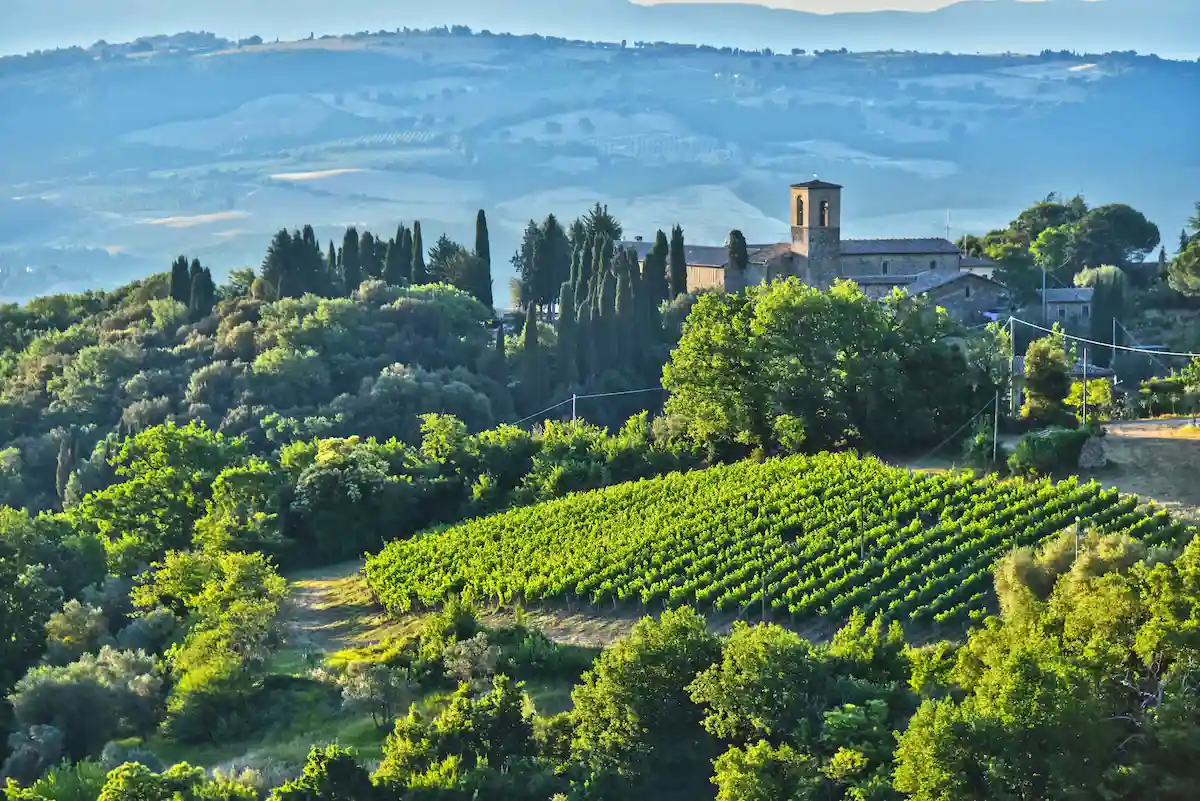
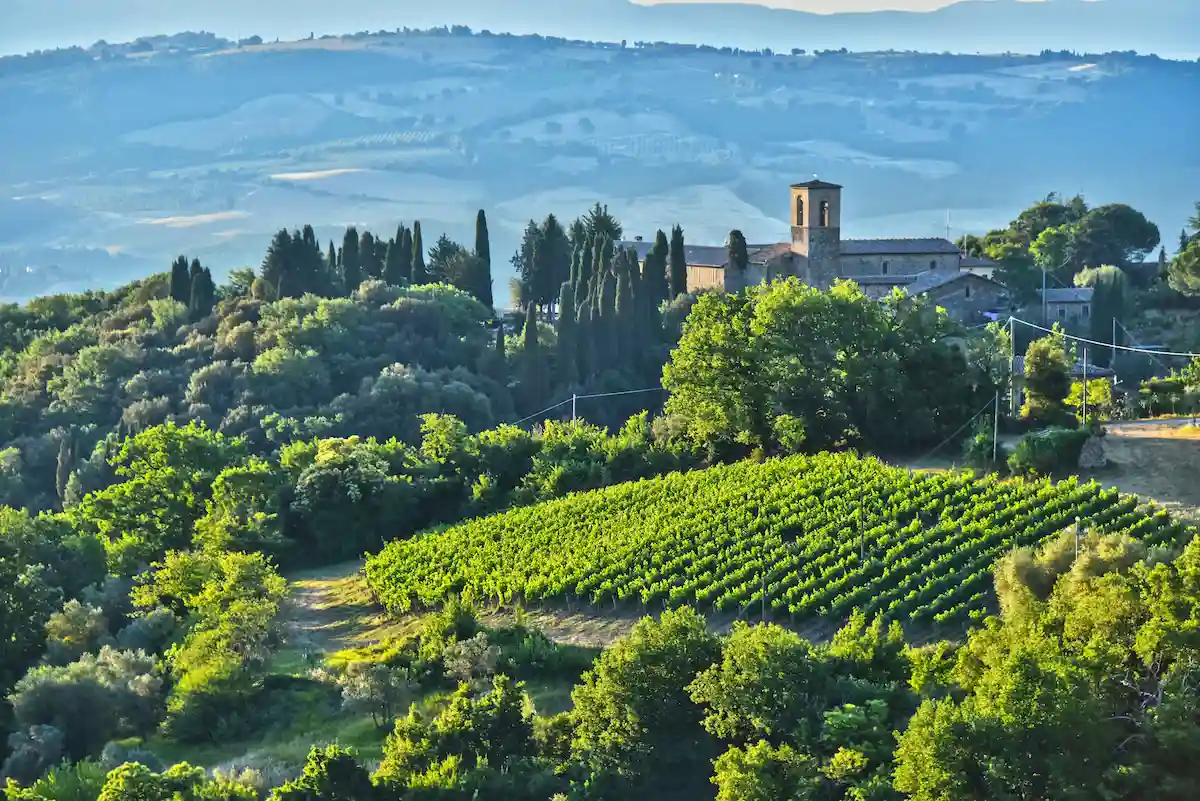
Rolling hills striped with vines, honey-stone farmhouses, and cypress-lined lanes make the Chianti Classico region one of the most romantic corners of Tuscany. For wine lovers, it is also hallowed ground: this is the heartland of Sangiovese, sealed with the famous Gallo Nero (Black Rooster) seal. Choosing the best wineries in Chianti can feel overwhelming when estates are scattered across five hill towns down miles of unpaved country roads. This guide walks you through the region, its key wine towns, what a cellar visit actually involves, and how to build a relaxed tasting day, so you can sip freely while someone else takes the wheel.
Want a seamless day among the vines with no driving and no worries?
Book Your Tuscany Wine TourUnderstanding the Chianti Classico Region
First, a useful distinction. "Chianti" is a large, general wine zone, while Chianti Classico is the original, tightly defined historic area between Florence and Siena. Only wines produced here, following strict rules and made predominantly from the Sangiovese grape, may carry the Gallo Nero (Black Rooster) seal on the bottle neck. That little black rooster is your quality shorthand as you travel the region.
The landscape itself is part of the appeal. Vineyards sit at higher elevations than much of Tuscany, interspersed with olive groves and oak woodland. Estates range from centuries-old family farms to grand architectural showpieces. Because the best cellars are rural and spread out, most visitors focus on one or two of the classic wine towns per day rather than trying to see everything. To go deeper on Italy's wine map, our Italian wine regions guide puts Chianti in context alongside the country's other great appellations.
The Key Wine Towns of Chianti
Five towns form the backbone of any Chianti Classico itinerary, each with its own character. Greve in Chianti is the region's lively gateway, built around a funnel-shaped market square and home to wine shops where you can taste widely before heading out to the estates. A short drive south, the tiny hilltop village of Panzano is famed for its concentration of quality producers and sweeping views over the Conca d'Oro (Golden Shell) valley.
Deeper into the hills, Radda in Chianti and Gaiole in Chianti are quieter, more medieval, and surrounded by some of the most respected vineyards in the zone. Castellina in Chianti, with its ancient walls and vaulted covered walkway, sits at a crossroads and makes an easy anchor for tastings in every direction. Here is a quick reference to help you plan.
| Wine Town | Known For |
|---|---|
| Greve in Chianti | Lively market square, wine shops, easy first stop |
| Panzano | Dense cluster of estates, Conca d'Oro valley views |
| Radda in Chianti | Higher-altitude vineyards, elegant Sangiovese |
| Castellina in Chianti | Medieval walls, central crossroads location |
| Gaiole in Chianti | Quiet countryside, historic and revered estates |
A Landmark Estate: Antinori nel Chianti Classico
If you want one unforgettable architectural experience, the Antinori nel Chianti Classico winery near San Casciano is hard to beat. The Antinori family has been making wine for over six centuries, and their striking modern cellar is built directly into the hillside, its roof planted with vines so the whole structure seems to disappear into the landscape. Inside, a spiralling staircase, vaulted terracotta ceilings, and vast barrel halls make the visit feel like part museum, part cathedral to wine.
Estates of this profile are popular, so tastings and guided cellar tours should be reserved directly in advance. We are happy to advise on timing and travel, and we will get you there comfortably, but guests always book their own tastings so you can choose the experience and menu that suits you.
What a Cellar Visit and Tasting Involves
A typical winery visit lasts around ninety minutes to two hours. It usually begins with a walk through the vineyards or a look at the fermentation area, followed by a descent into the cellar where the wine ages in oak barrels and bottles. Your host will explain the estate's history, the Sangiovese grape, and how Chianti Classico, Riserva, and Gran Selezione differ as you go.
The tasting itself is the highlight. You will typically sample several wines, often paired with local olive oil, pecorino cheese, salumi, and bread. Hosts pour generously and encourage conversation, so it is easy to lose track of how much you have enjoyed, which is precisely why having a driver waiting outside matters so much. For a fuller picture of doing this the relaxed way, see our guide to a Tuscany wine tour without a car.
How to Plan Your Tasting Day
The golden rule is not to overbook. Two or three winery visits in a day is plenty; any more and the wines blur together and the schedule becomes a rush. Space appointments roughly two and a half to three hours apart to allow for travel on winding roads and a leisurely lunch, ideally at an estate that serves food or in one of the hill towns.
Book your tastings in advance, especially in high season and at the larger estates, as few accept walk-ins. Group your visits geographically, for example pairing Greve and Panzano, or Radda and Gaiole, to keep drive times sensible. Start mid-morning, keep the largest lunch for the middle of the day, and finish by late afternoon so you return relaxed rather than exhausted. Many guests begin their day with a scenic transfer from Florence to the Chianti wine region and let the itinerary unfold from there.
Ready to taste your way through Chianti in comfort and safety?
Reserve Your Private DriverWhy a Private Driver Is Essential
Wine tasting and driving simply do not mix, and in Italy the law is strict. The blood alcohol limit for regular drivers is 0.5 grams per litre, and even a couple of generous pours at a cellar can put you over it, with heavy penalties for those caught. A private driver removes the risk entirely: your driver waits while you taste and never drinks, so everyone gets home safely.
Beyond the legal question, the practical case is just as strong. Chianti's estates lie down narrow, often unpaved lanes with poor signage and no public transport, and satellite navigation frequently struggles. A local driver knows the roads, handles the parking, and lets you gaze at the scenery instead of gripping the wheel. Explore how it works through our private tours service, and you will quickly see why a driver is the difference between a stressful day and a memorable one.
Frequently Asked Questions
What are the best wineries in Chianti to visit?
The best wineries in Chianti are spread across the Chianti Classico towns of Greve, Panzano, Radda, Castellina, and Gaiole. Landmark estates such as Antinori nel Chianti Classico near San Casciano are especially memorable, but the region rewards visiting a mix of grand cellars and small family producers.
What is the difference between Chianti and Chianti Classico?
Chianti is a large, general wine zone, while Chianti Classico is the original historic area between Florence and Siena with stricter production rules. Chianti Classico wines carry the Gallo Nero (Black Rooster) seal and are made predominantly from the Sangiovese grape.
Do I need to book wine tastings in advance?
Yes. Most Chianti estates require reservations and few accept walk-ins, particularly the larger and more famous wineries and during high season. Guests book their own tastings directly, and we are happy to advise on timing so your day flows smoothly.
How many wineries can I visit in one day?
Two or three visits is the ideal pace. Each tasting lasts around ninety minutes to two hours, and roads between estates are slow, so more than three feels rushed and the wines become harder to appreciate.
Why can't I just drive myself between wineries?
Italy's drink-drive limit is 0.5 grams per litre, which even a modest tasting can exceed, with serious penalties. The rural roads are also narrow, unpaved, and poorly signposted. A private driver lets you taste freely while someone sober handles the driving.
Does the driver drink or taste the wine too?
No. Your driver waits while you enjoy each tasting and does not drink any alcohol, ensuring you and your group travel safely between estates and back to your accommodation.
What happens during a typical cellar visit?
A visit usually includes a walk through the vineyards or cellar, an explanation of the estate's history and winemaking, and a guided tasting of several wines, often paired with local olive oil, cheese, and cured meats.
How do I get from Florence to Chianti?
The most comfortable option is a private transfer or tour. A scenic drive from Florence into the Chianti wine region takes roughly an hour, and a private driver can build your winery stops into the journey. Our Florence transfer service makes the connection easy.
Related reading and services
Frequently Asked Questions
What are the best wineries in Chianti to visit?+−
What is the difference between Chianti and Chianti Classico?+−
Do I need to book wine tastings in advance?+−
How many wineries can I visit in one day?+−
Why can't I just drive myself between wineries?+−
Does the driver drink or taste the wine too?+−
What happens during a typical cellar visit?+−
How do I get from Florence to Chianti?+−
Ready to Travel Italy Stress-Free?
Book a professional private taxi or airport transfer anywhere in Italy. Fixed prices, NCC-licensed drivers, meet & greet service — 24/7.

Written by
Italy Taxi Service Team
Expert travel writers sharing firsthand knowledge about transportation, airport transfers, and city navigation across Italy.