A beginner-friendly tour of the major Italian wine regions and their signature wines, plus how to plan a relaxed tasting trip with a private driver.
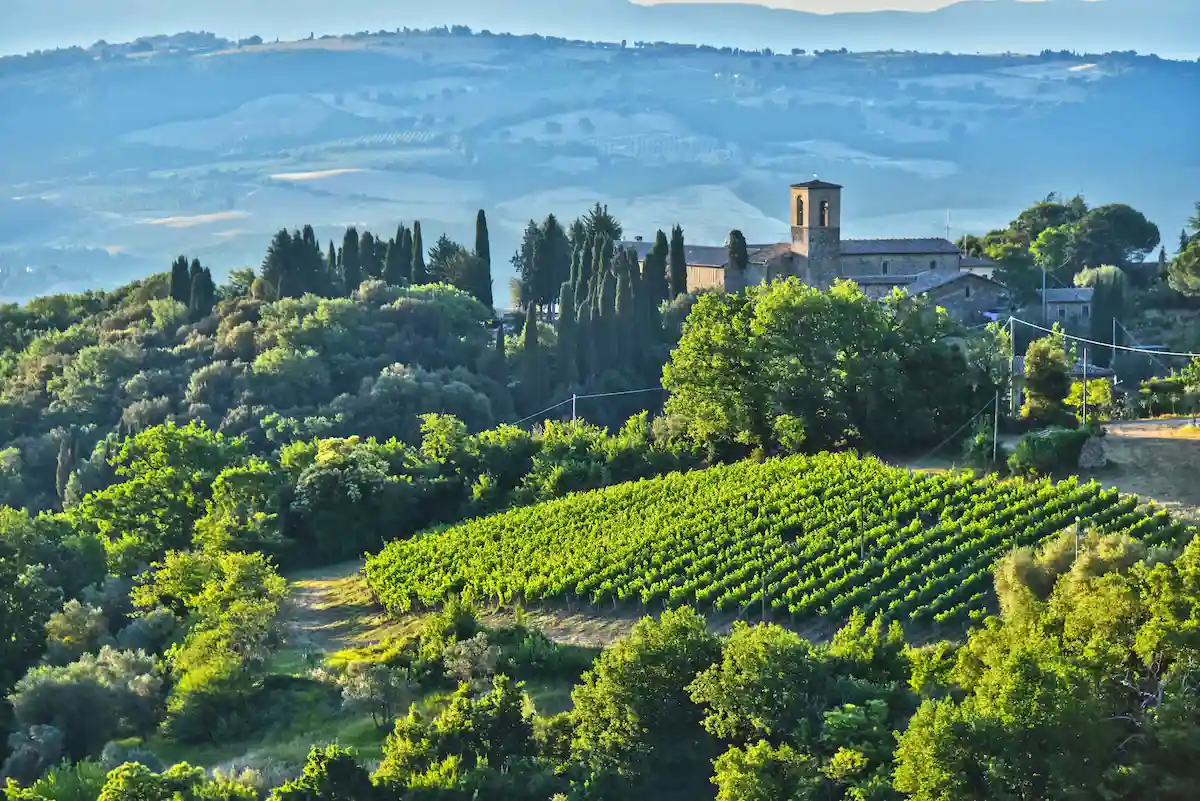
Few countries reward the curious traveller like Italy, and understanding the italian wine regions is one of the most enjoyable ways to get under the skin of the place. From the rolling hills of Tuscany to the volcanic slopes of Sicily, every corner of the country grows something distinctive, shaped by local soil, altitude, and centuries of tradition. This beginner's guide walks you through the major regions and their signature wines, explains the grapes behind the labels, and shows you how to plan a tasting trip that is relaxed, safe, and genuinely memorable, without anyone having to nominate a designated driver.
Ready to taste your way through Tuscany?
Skip the logistics and let a local chauffeur handle the driving while you enjoy the cellars.
Explore Our Tuscany Wine TourTuscany: The Heart of Italian Wine
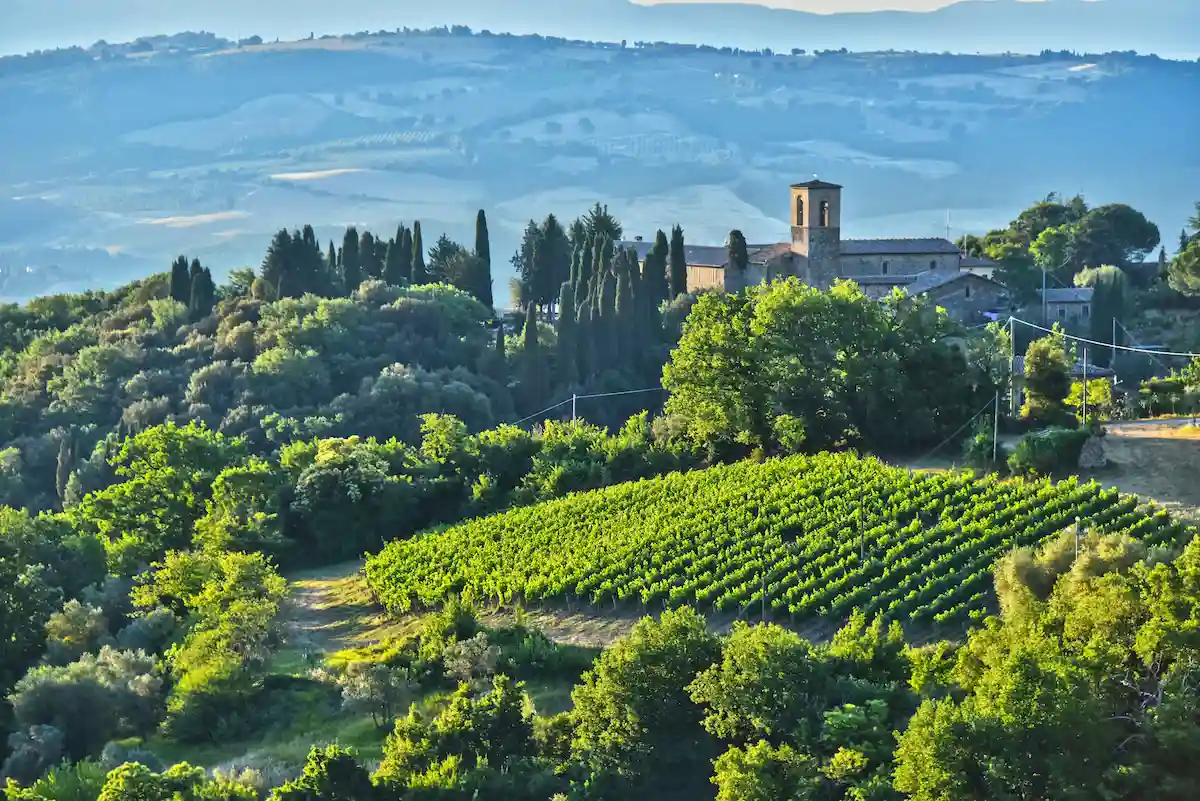
For most newcomers, Tuscany is where the love affair with Italian wine begins. The region is built around the Sangiovese grape, a bright, cherry-scented red with firm acidity that pairs beautifully with the local cuisine. The most famous expression is Chianti Classico, made in the hills between Florence and Siena and marked by its black rooster seal. Further south, around the hilltop town of Montalcino, the same grape (known locally as Brunello) produces Brunello di Montalcino, a powerful, long-lived wine that many consider Italy's finest red.
Tuscany is not only about tradition. Along the coast near Bolgheri, a group of producers began blending Bordeaux grapes such as Cabernet Sauvignon and Merlot, creating the so-called Super Tuscans that shook up the wine world. And for a crisp white, look to San Gimignano, whose Vernaccia is one of the country's oldest named white wines. A short drive from Florence puts several of these areas within easy reach, whether you head to the Chianti wine region or push south toward Montalcino.
Piedmont: Barolo and Barbaresco
In the northwest, tucked against the Alps, Piedmont is the spiritual home of serious Italian red wine. Here the star grape is Nebbiolo, named for the autumn fog (nebbia) that rolls over the Langhe hills at harvest. Nebbiolo gives two of the country's most celebrated wines: Barolo, often called the king of wines, and its slightly more approachable neighbour Barbaresco. Both are pale in colour but intense in aroma, with notes of rose, tar, and dried cherry, and they age gracefully for decades. Piedmont also produces easygoing everyday reds from the Barbera and Dolcetto grapes, and the gently sweet, low-alcohol sparkler Moscato d'Asti, making it a versatile region for beginners and enthusiasts alike.
Veneto: Prosecco, Amarone, and Soave
The Veneto, in Italy's northeast, is one of the country's most productive regions and covers an enormous range of styles. Its most globally recognised export is Prosecco, the fresh, fruity sparkling wine made from the Glera grape in the hills around Conegliano and Valdobbiadene. For something richer, the Valpolicella area produces Amarone, a deep, velvety red made from partially dried Corvina grapes, a technique that concentrates the flavour into something warming and full-bodied. On the white side, Soave, made largely from the Garganega grape, offers a lighter, almond-tinged alternative. With Venice and Verona nearby, the Veneto is a natural stop for travellers combining wine with sightseeing.
Franciacorta: Italy's Answer to Champagne
If you enjoy sparkling wine, do not overlook Franciacorta, a small region in Lombardy near Lake Iseo. Unlike Prosecco, Franciacorta is made using the traditional method, with a second fermentation in the bottle, the same painstaking process used in Champagne. The result is a fine, elegant sparkling wine built chiefly from Chardonnay and Pinot Nero (Pinot Noir), with creamy texture and delicate bubbles. It is less famous internationally than Prosecco but highly regarded among those who know it, and a tasting here makes a rewarding detour for anyone exploring northern Italy.
Sicily: Etna and Nero d'Avola
Head south to Sicily and the wines take on a distinctly Mediterranean character. The island's signature red grape is Nero d'Avola, which produces warm, plummy wines with soft tannins that are easy to enjoy young. In recent years, however, the slopes of Mount Etna have drawn the most attention. Vines grown on the volcano's mineral-rich soils, using local grapes such as Nerello Mascalese for reds and Carricante for whites, yield fresh, high-altitude wines with remarkable elegance. Sicily proves that great Italian wine reaches all the way to the country's sun-baked southern tip.
Campania and Puglia: The Southern Classics
Two more southern regions deserve a mention for anyone building a mental map of Italian wine. Campania, the region around Naples, revives ancient grape varieties: the structured red Aglianico (behind the noble Taurasi) and the aromatic whites Fiano and Greco. Meanwhile, the sun-drenched heel of the boot, Puglia, is known for generous, fruit-forward reds made from Primitivo (a relative of Zinfandel) and the robust Negroamaro. These wines tend to be approachable and great value, making the south a friendly starting point for beginners.
Planning a Wine Tasting Trip
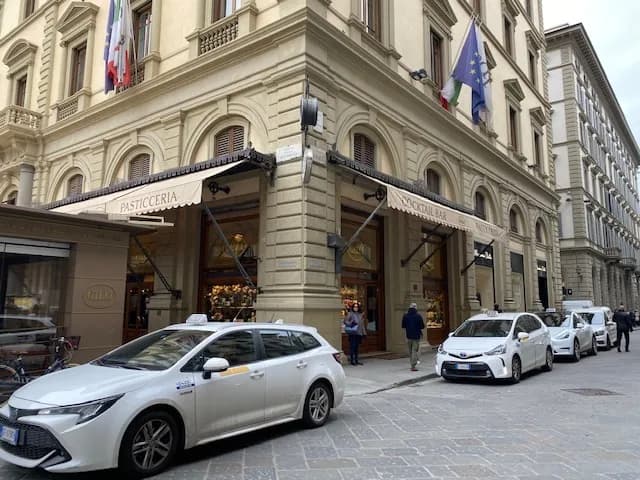
A little planning turns a good wine trip into a great one. Start by choosing a single base rather than trying to cover the whole country; Tuscany, for example, offers enough variety for several days on its own. Many wineries require appointments, especially the smaller family-run estates, so book your visits in advance and space them out, allowing two or three cellars per day at most so you are not rushing. Aim to taste in the morning and early afternoon when your palate is fresh, and always eat well between stops. Consider mixing famous names with lesser-known producers, and leave room in the schedule for a long lunch. If you are staying in the city, a simple Florence transfer can get you to your countryside base before the touring begins, and a dedicated private tour takes care of the rest.
Why a Private Driver Matters
Here is the practical reason a private driver is not a luxury but a necessity on a wine trip: Italy enforces a strict drink-drive limit of roughly 0.5 grams of alcohol per litre of blood, and the limit is zero for drivers who have held their licence for less than three years. Even a couple of tastings can push you over, and penalties are severe. Wine country roads are also narrow, winding, and unfamiliar, and parking at rural estates can be awkward. With a professional chauffeur at the wheel, every member of your group is free to taste and enjoy the day fully, with no one left watching the others sip. A driver also knows the back roads, can suggest stops, and handles the timing between appointments so you never feel hurried. If you would rather explore the cellars without renting a car at all, our guide to a Tuscany wine tour without a car explains exactly how it works.
Italian Wine Regions at a Glance
| Region | Signature Wines | Key Grape(s) |
|---|---|---|
| Tuscany | Chianti Classico, Brunello di Montalcino, Bolgheri Super Tuscans, Vernaccia | Sangiovese; Cabernet/Merlot; Vernaccia |
| Piedmont | Barolo, Barbaresco, Barbera | Nebbiolo; Barbera |
| Veneto | Prosecco, Amarone, Soave | Glera; Corvina; Garganega |
| Lombardy (Franciacorta) | Franciacorta sparkling | Chardonnay; Pinot Nero |
| Sicily | Etna Rosso, Nero d'Avola | Nerello Mascalese; Nero d'Avola |
| Campania | Taurasi, Fiano, Greco | Aglianico; Fiano; Greco |
| Puglia | Primitivo, Negroamaro | Primitivo; Negroamaro |
Plan your tasting trip the easy way
Reserve a private driver and taste every cellar without worrying about the road.
Book Your Private DriverFrequently Asked Questions
Which Italian wine region is best for beginners?
Tuscany is the ideal starting point. Its Sangiovese-based reds like Chianti Classico are approachable and food-friendly, the countryside is beautiful, and the wineries are used to welcoming first-time visitors. Puglia in the south is another beginner-friendly choice for its soft, fruit-forward and good-value reds.
What is the difference between Barolo and Chianti?
Both are famous Italian reds, but they come from different regions and grapes. Barolo is made from Nebbiolo in Piedmont and is powerful, tannic, and built to age. Chianti is made from Sangiovese in Tuscany and is generally brighter, more acidic, and easier to drink young alongside food.
Is Prosecco the same as Champagne?
No. Prosecco is an Italian sparkling wine made mainly from the Glera grape in the Veneto, typically using a tank method that keeps it fresh and fruity. Franciacorta, from Lombardy, is Italy's traditional-method sparkler and is closer in style to Champagne.
How many wineries can I visit in a day?
Two or three is a comfortable maximum. Tastings take time, most estates prefer appointments, and you will enjoy each visit more if you are not rushing. Leaving room for a proper lunch between stops keeps the day relaxed and your palate fresh.
What is Italy's drink-drive limit?
The legal blood alcohol limit for most drivers in Italy is around 0.5 grams per litre. For drivers who have held their licence for less than three years, or who are under 21, the limit is zero. Because even a couple of tastings can exceed this, a private driver is the safest option.
Do I need to book winery visits in advance?
Yes, especially at smaller family-run estates, which often receive guests only by appointment. Booking ahead guarantees your spot, ensures someone is available to guide the tasting, and helps you plan a sensible route between cellars.
Can a private driver take me between different wine regions?
Absolutely. A private driver can handle transfers within a region or longer journeys between areas, such as moving from Florence out to the Chianti hills or down to Montalcino, while you simply relax and enjoy the scenery and the wine.
What should I eat while wine tasting?
Eat regularly and keep it simple. Bread, cheese, cured meats, and a proper sit-down lunch all help slow the absorption of alcohol and cleanse your palate between wines. Staying hydrated with water throughout the day is equally important.
Continue Reading
Frequently Asked Questions
Which Italian wine region is best for beginners?+−
What is the difference between Barolo and Chianti?+−
Is Prosecco the same as Champagne?+−
How many wineries can I visit in a day?+−
What is Italy's drink-drive limit?+−
Do I need to book winery visits in advance?+−
Can a private driver take me between different wine regions?+−
What should I eat while wine tasting?+−
Ready to Travel Italy Stress-Free?
Book a professional private taxi or airport transfer anywhere in Italy. Fixed prices, NCC-licensed drivers, meet & greet service — 24/7.

Written by
Italy Taxi Service Team
Expert travel writers sharing firsthand knowledge about transportation, airport transfers, and city navigation across Italy.