From ZTL fines to unvalidated train tickets and tourist-trap trattorias, here are the most common mistakes tourists make in Italy and exactly how to avoid them.
Italy rewards travellers who plan a little and slow down a lot. But every year millions of visitors repeat the same avoidable errors, and the most common mistakes tourists make in Italy can cost real money, waste precious holiday hours, or leave you stuck outside a monument you travelled thousands of miles to see. The good news is that almost all of them are easy to sidestep once you know what to look for. This guide walks through the ten pitfalls we see most often, with a practical fix for each so your trip runs smoothly from the airport to the last espresso.
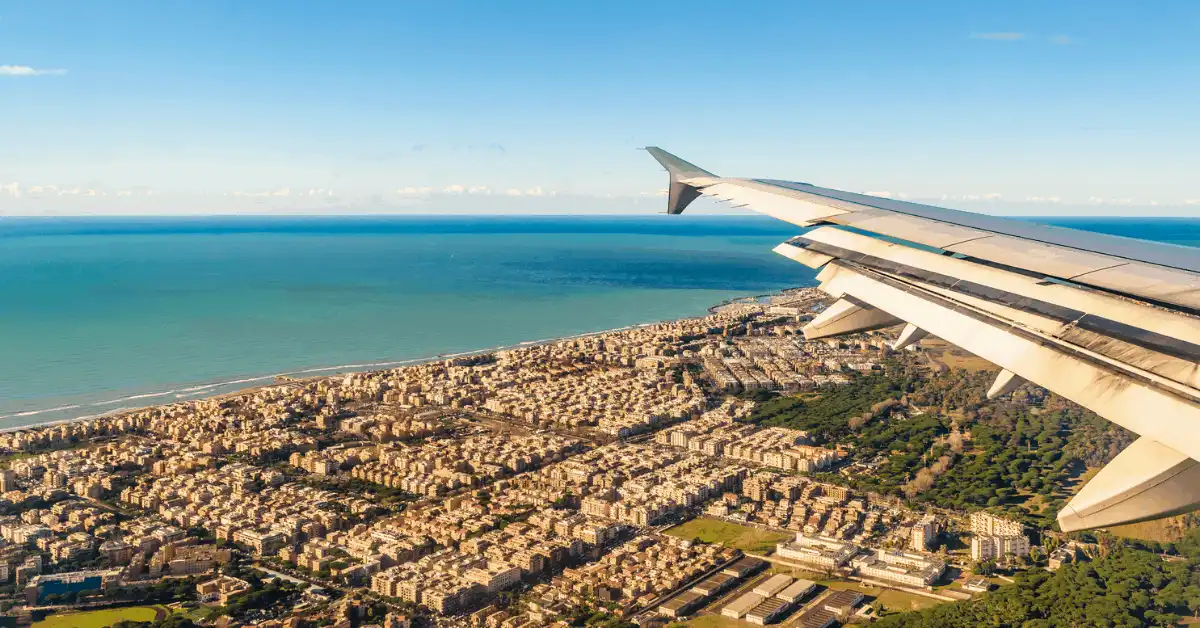
Skip the biggest arrival-day mistake: a fixed-price, English-speaking driver waiting at the terminal beats a taxi-rank scramble every time. Lock in your ride before you land.
Book an Airport Transfer →1. Over-packing your itinerary
The classic first-timer trap is trying to see Rome, Florence, Venice, the Amalfi Coast and Tuscany in seven days. On paper it looks efficient; in reality you spend half your holiday in transit and arrive everywhere tired. Italian cities reward wandering: an unplanned hour in a Trastevere piazza or a Florentine backstreet is often the memory you keep. Build in downtime, plan no more than two or three major sights per day, and give each base at least two nights so you actually unpack. If you have a week, pick two cities and one day trip, not five destinations.
2. Driving into ZTL zones and getting fined
This is the single most expensive mistake for tourists who rent a car. Most historic city centres are protected by a Zona a Traffico Limitato (ZTL), a limited-traffic zone monitored by cameras that automatically read your number plate. Drive past the sign without a permit and a fine is issued to the rental company, then passed on to you, often weeks or months after you get home. Because a single wrong turn can trigger multiple penalties, this is a mistake worth taking seriously. Never assume your GPS knows the local rules. Park outside the centre in a signposted garage and walk or use transit, and read our full guide to Italy's ZTL zones before you collect any hire car. In most tourist-heavy historic centres, a car is a liability rather than a convenience.
3. Not validating regional train tickets
Italy's rail network is superb value, but there is a catch that trips up thousands of visitors. Tickets for regional trains (the slower Regionale services) with an open travel date must be validated before you board by stamping them in one of the small machines on the platform or at the station entrance. Board with an unvalidated paper ticket and a conductor can treat it as fare evasion and issue a penalty. High-speed trains (Frecce) and other services booked for a specific train and seat do not need stamping. When in doubt, validate: it takes two seconds and removes all risk. If you booked through an app with a QR code for a specific departure, you are generally fine, but always check the conditions on your ticket.
4. Eating at tourist-trap restaurants next to the sights
The restaurant with photo menus, a host waving you in, and a table with a direct view of a famous fountain is almost never where locals eat. Telltale signs include menus translated into six languages, "tourist menu" boards, and staff touting from the doorway. Walk five or ten minutes away from the main monument and prices drop while quality rises. Look for handwritten or seasonal menus, a short list of dishes, and a room full of Italians. Be aware of the coperto (a small per-person cover charge) which is normal and legal when listed, and remember that a cappuccino ordered after lunch marks you instantly as a visitor. None of that harms your wallet the way a mediocre 40-euro pasta beside a landmark does.
5. Underestimating distances and summer heat
Italy looks compact on a map, but travel times are longer than expected once you factor in winding coastal roads, ferry schedules on the lakes, and the walk from a station to your hotel over cobblestones with a suitcase. Summer adds another problem: July and August in Rome, Florence and the south are genuinely hot, and many sights offer little shade. Tourists routinely schedule a punishing midday walking tour and end up exhausted or unwell. Start early, take the Italian approach and rest in the hottest hours, carry water (public fountains in Rome are free and drinkable), and wear real walking shoes. Cobblestones and gladiator sandals do not mix.
Quick reference: mistake and fix
| Common mistake | Simple fix |
|---|---|
| Driving into a ZTL | Park outside the centre and walk |
| Unvalidated regional ticket | Stamp it at the platform machine |
| Restaurant beside the monument | Walk 10 minutes for local prices |
| Bare shoulders at a church | Carry a light scarf or shawl |
| Unmarked taxi at the rank | Use licensed cars or pre-booked transfers |
6. Ignoring dress codes at churches
Italy's churches are working places of worship as well as art treasures, and most enforce a modest dress code. That means covered shoulders and knees for everyone. At St Peter's Basilica, the Vatican, the Duomo in Florence and countless smaller churches, guards will turn away visitors in vests, short shorts or short skirts, and being refused entry after a long queue is a genuinely deflating way to lose an afternoon. The fix costs nothing: carry a light scarf or pashmina you can drape over your shoulders, and pack one pair of longer bottoms for church days. Photography rules and silence inside vary, so follow posted signs.
7. Only visiting the big three cities
Rome, Florence and Venice are unmissable, but treating them as the whole of Italy means missing much of what makes the country special. Bologna's food, the trulli of Puglia, the lakes of the north, Sicilian baroque towns and the villages of Umbria are often cheaper, less crowded and more relaxed. Even a single day trip out of a major base changes the texture of a trip. A guided excursion into the countryside or a smaller hill town gives you the Italy of long lunches and empty piazzas rather than selfie-stick crowds. Consider building one private day tour into your plans to reach places public transport makes awkward.
8. Getting cash and cards wrong
Italy is increasingly card-friendly, and contactless works almost everywhere in cities, but assuming plastic is accepted everywhere causes problems. Small trattorias, rural bars, some market stalls and the odd taxi still prefer or require cash, so carry a modest amount of euros as backup. At ATMs and card terminals, always choose to be charged in euros rather than your home currency; "dynamic currency conversion" quietly adds a poor exchange rate. Avoid the standalone currency-exchange booths near tourist sights, which offer weak rates, and be wary of ATMs branded for tourists rather than bank-operated machines. A no-foreign-fee travel card plus a little cash is the sweet spot.
9. Not booking major sights ahead
Turning up at the Colosseum, the Vatican Museums, the Uffizi or Milan's Last Supper without a reservation is a recipe for hours in line or, for timed-entry sights, no entry at all. The Last Supper in particular sells out well in advance because only small groups are admitted at a time. Book official timed-entry tickets online before you travel, screenshot your confirmations in case of patchy signal, and arrive at the start of your window. Booking ahead also lets you skip much of the queue, which on a hot day is worth far more than the small booking fee. Plan your must-see sights first, then build the rest of each day around them.
10. Taking unlicensed taxis
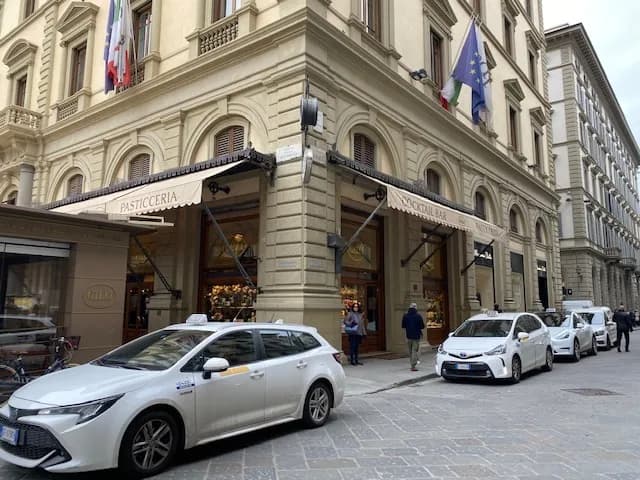
At airports and stations, drivers sometimes approach arriving passengers offering a ride. These unlicensed operators can charge several times the going rate and offer no consumer protection if something goes wrong. Official Italian taxis are clearly marked, carry a licence number, and use a meter or published fixed airport fares. Ignore anyone touting inside the terminal, join the official rank or, better, arrange a licensed transfer in advance so a named driver meets you at a fixed price. For more on the tactics to watch for, read our guide to common taxi scams in Italy. Pre-booking removes the guesswork on the day you are most tired and least able to negotiate.
Avoid the arrival-day scramble and the unlicensed-taxi trap in one step. Reserve a licensed, fixed-price driver and start your Italian holiday relaxed.
Book Your Ride Now →Frequently Asked Questions
What is the most expensive mistake tourists make in Italy?
Driving into a ZTL limited-traffic zone is often the costliest, because cameras issue automatic fines that reach you months later through your rental company, and a single wrong turn can trigger more than one penalty. Parking outside historic centres avoids it entirely.
Do I really have to validate my train ticket?
For open-date regional (Regionale) tickets, yes. Stamp them in a platform validation machine before boarding, or a conductor may treat the ticket as invalid. High-speed and reserved-seat tickets tied to a specific train and time do not need stamping.
How do I avoid tourist-trap restaurants?
Walk a few minutes away from major sights, skip places with photo menus, multi-language boards and staff touting from the door, and look for short, seasonal menus and a room full of locals. Check that any cover charge (coperto) is listed on the menu.
What should I wear to visit Italian churches?
Cover your shoulders and knees. Vests, short shorts and short skirts are commonly refused at major churches such as St Peter's and the Florence Duomo. Carry a light scarf or shawl and longer bottoms so you are never turned away.
Should I use cash or card in Italy?
Cards and contactless work in most city businesses, but carry some euros for small trattorias, rural bars and market stalls. Always choose to be charged in euros, not your home currency, and avoid tourist currency-exchange booths.
Which sights need to be booked in advance?
Book the Colosseum, Vatican Museums, Uffizi and especially Milan's Last Supper ahead of time. The Last Supper admits only small timed groups and sells out early. Reserve official timed-entry tickets online and arrive at the start of your slot.
How can I tell if a taxi is licensed?
Official taxis are clearly marked, display a licence number, and use a meter or published fixed airport fares. Ignore drivers who approach you inside terminals, use the official rank, or pre-book a licensed transfer so a named driver meets you at a set price.
Is renting a car a mistake for a city trip in Italy?
For trips focused on Rome, Florence or Venice, usually yes. City centres are pedestrianised or ZTL-controlled, parking is scarce and costly, and public transport is efficient. A car makes sense only for rural regions like Tuscany or Puglia, and even then you park outside the historic centre.
Frequently Asked Questions
What is the most expensive mistake tourists make in Italy?+−
Do I really have to validate my train ticket?+−
How do I avoid tourist-trap restaurants?+−
What should I wear to visit Italian churches?+−
Should I use cash or card in Italy?+−
Which sights need to be booked in advance?+−
How can I tell if a taxi is licensed?+−
Is renting a car a mistake for a city trip in Italy?+−
Ready to Travel Italy Stress-Free?
Book a professional private taxi or airport transfer anywhere in Italy. Fixed prices, NCC-licensed drivers, meet & greet service — 24/7.

Written by
Italy Taxi Service Team
Expert travel writers sharing firsthand knowledge about transportation, airport transfers, and city navigation across Italy.